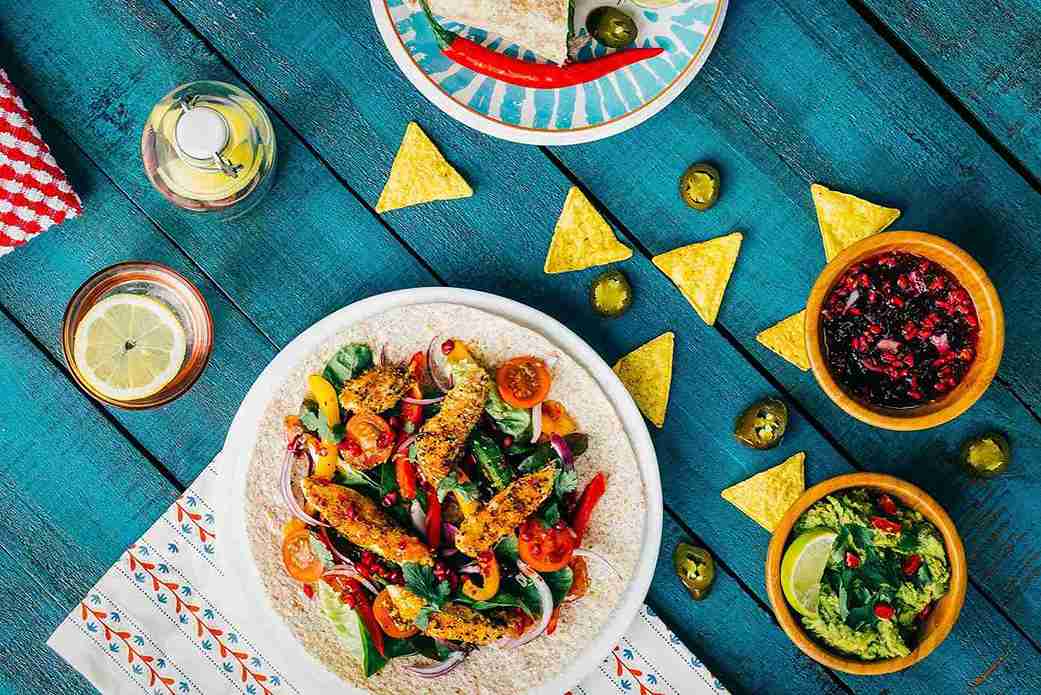
She was sitting on a broken sidewalk at a plastic table. A woman with rough hands gave her a tlayuda, a giant toasted Corn tortilla stuffed with black bean paste, string cheese and slow-cooked Pork. This was very affordable (sub $2.00). Maria took a bite and for a full minute didn’t speak.
On 22 trips searching for good food. Later, she told me this meal was the best meal of her life, out of an unknown street stand.
The essence of foodies Mexico is that. Not the Michelin stars. This isn’t the Instagram restaurants. The real thing is older, quieter and much mightier.
As a foodie, you have never experienced Mexican cuisine if you have not gone deep into it, which is the single greatest food culture on earth. This is the guide to show you why and where to begin.
What You Will Learn Here
This is the full explanation on why Mexico is one of the best places in the world to eat. You will learn how the food system works, what kind of food adventures you will find in every city, what you must visit eat in every region, what is the one mistake most food travellers make and how to eat like a local even in your first visit to this city.
Finally, you will discover why Mexico’s gastronomy is so unique and was designated a UNESCO World Heritage by UNESCO. You’ll know which streets to walk down, which markets to sit in, and which dishes will open your mouth and fill you with pie.
You’ll also discover a lesson that most food travel guides never take into account: an economy of Mexican food that is out of the public eye, and how your eating selections either enhance or avoid real families.
You can also read about Can Dogs Have Watermelon.
Here is what this guide covers:
- In 2010, the Mexican food was inscribed on the UNESCO list of the Intangible Cultural Heritage of Humanity.In 2010, the food from Mexico was nominated as an Intangible Cultural Heritage of Humanity by UNESCO.
- For serious foodies, here are the 5 food cities that are most important.
- Detailed regional guidelines on food and locations
- Most Mexico food guides don’t include native foods.
- Practical tips for planning your food outing and the truth about the good and bad.
- The anti-food writer’s guide to fine dining in Mexic
Why Mexico Food Is Misunderstood
When people think of Mexican food they most likely think of tacos and guacamole. If by any yardstick, one could judge nationals by their diet, do you believe that French people eat only baguettes? The comparison is that bad. Mexico has various climates, indigenous communities and a variety of agriculture making many different cuisines available throughout the 32 states found in the country.
In 2010, traditional Mexican gastronomy was inscribed on the List of UNESCO Intangible Cultural Heritage of Humanity. These cuisines are among the few who have that status, apart from the French and Japanese cuisine. It wasn’t the food that was the reason for this. . . . The community life was set in place more than 3,000 years ago, as were the food practices and rituals of the farmers.
The figures confirm this. A study by Human Connections Media revealed that 30% of all international tourists’ spending in Mexico is directly linked to the enjoyment of Mexican cuisine, resulting in an annual economic effect of about US$8.9 billion. Food is no minor stop in Mexico. It’s the big event for millions of visitors.
Mexico ranked first in the Americas and 4.6/5 stars in the 2023–2024 ranking by Taste Atlas, an online rating platform for traditional cuisine around the world.
The Five Food Cities That Matter
Not every city in Mexico is created equal. The top 5 most important are broken down here.
Mexico City It was included in the list of the best food travel destinations for 2025 by National Geographic Traveller. Ten restaurants in 2024 were awarded with 18 stars, the first in the city to be awarded in the Mexican edition of the Michelin Guide. But it’s NOT in those 18 positions. Likely, a large number of the city’s inhabitants get their breakfast from one of the city’s 9,000 food stalls.
The state of Oaxaca has seven different mole sauces, which are delicious even if some of the recipes can take up to three days to prepare and require chiles, spices, and lots of other ancient recipes. In 2018 and 2019, Travel and Leisure ranked Oaxaca as the number one travel destination. Although there are many reasons to visit, the food is by far the best reason to visit Oaxaca.
Puebla mole poblano and chiles en nogada, a food so much a part of national identity that it can only be prepared for six weeks per year, made from seasonal ingredients.
Merida,In the Yucatan Peninsula, of course, there is a food language of its own – that’s Merida. Among the oldest dishes in the country is Cochinita pibil, a slow-cooked dish in an underground pit in which achiote and sour orange are used. There are no such flavours in the north as these here.
The traditional foods most visitors have never tasted include black bean tamales in banana leaves, pozol (corn and cacao fermented drinks) and herb broths like those of the forest.
The Ingredients Nobody Talks About
This is an angle that just about every foodies Mexico guide overlooks.
One of the best new things in Mexican food right now isn’t even in fine dining establishments! This is occurring in the rediscovery of ingredients lost from pre-Hispanic times.
Grasshoppers, known as chapulines, are a common addition to the taco, and are available throughout Oaxaca, where they are toasted and flavoured with lime and chilli. Now they are being added to the new generation of chefs’ tasting menus. For 2025, the recently awarded Michelin-star restaurant, Levadura de Olla, Oaxaca, features locally sourced and incorporated ingredients such as mole, smoked duck and chapulines from the farm to prepare their dishes, all in line with their traditions.
There is also hoja santa, a large aromatic leaf that is used in sauces and tamales, and epazote, a wild leaf with a very sharp, medicinal taste that can’t be replaced. In Mexico there are more than 60 varieties of chile, with the majority never leaving the country. A wild green resembling broccoli that was used by the Aztecs. Today it is still sold in the local markets.
The recipe is rooted in nixtamalization (neex-tah-mahl-eye-ZAY-shun), an ancient method of processing corn that boosts its nutritional content and is the basis for the world’s most popular form of traditional food: the tortilla. If not for this technique, Mexican cooking wouldn’t be that. There are virtually no mainstream food guides that explain what this is and why it matters.
Don’t go to Mexico and just order things you’ve had before, or you’ll only get 80% of what it actually has to offer.
How Locals Actually Eat
Knowing Mexican eating habits each day will totally transform your food traveling encounter.
Food consumption in Mexico is not as common as most countries. Breakfast (desayuno) consists of little, and is often a tamale or a hot corn drink called atole. Eaten between 2pm and 4pm is the main meal, comida. That’s when the families come together, and local restaurants are busy! Dinner is tiny and typically street food after 8pm.
Comida corrida is the secret weapon of the locals. A set course lunch (typically 3 or 4 dishes) provided in small family restaurants known as fondas. The price is in the range of 80 MXN (4 USD) to 120 MXN (6 USD). It comes with soup and a main dish, rice and beans, a beverage and sometimes a dessert. Usually, of better quality than tourist restaurants that are thrice the price.
Markets are also very critical. One place in Oaxaca that you can buy raw meat straight from the vendors, give it to a cook with a grill, and have it fresh with handmade tortillas is the Paseo de Humo, the Smoke Passage in the Mercado 20 de Noviembre. One of the world’s great food halls, the San Juan’s Mercado in Mexico City features fresh-ground mole paste to huitlacoche, a fungus that grows on corn and tastes like earthy, smoky truffle.
The Bold Truth About Fine Dining
Food guides about foodies Mexico devote a gargantuan amount of space to restaurants, like Pujol and Quintonil.
The counterintuitive answer is: these restaurants are incredible, but it’s not why Mexico has a great food culture. These are its children.
In 2024, Quintonil’s restaurant was ranked #7 on the list of the top 50 restaurants in the world. There the moving tasting menu is a reality. Tiny Mexico City cash-only taqueria El Califa de León was also awarded a Michelin star; it’s been around since 1968. It’s the only Mexican taquería to have one. Its trademark beef-filet taco is priced a couple dollars.
That’s the second story that matters most. For more than 50 years, a taquería in this neighborhood has been serving the same community, and just got the best award in the world at the dinner. Not because it came up with anything new. For being one small thing and never giving up.
Grandmother knows more about flavoring a mole than a cooking school could ever teach. That’s the actual concept of Mexican food. Mastery through repetition. Depth through simplicity.
If you’re only going to book one fine dining experience in Mexico, book this one. But be sure not to overlook the street stall opposite your hotel, which has been on the scene before you were born.
Tools to Plan Your Trip
The following four tools will help you plan and eat better.
Taste Atlas (tasteatlas.com) is a web site that rates dishes and restaurants by region in Mexico. Con: not so accurate, since you can find regional specialties by city within a city at any rate. Con: Less coverage in rural areas.
Eater Cities Guide for Mexico City is an up to date resource that describes the city’s food landscape. Pro: Journalistic Reporting Written by the Ground. Con: is biased toward the middle and higher price ranges.
Mexico Eats (podcast & newsletter) is all about traditional and street food, and has a deep regional knowledge. Con: Hard to find an English language source that considers the issue of indigenous foodways seriously.
Pro: More impractical for reservation/arrangements.
The most under-used tool is Google Maps in Spanish. Use Spanish search terms, such as “fonda” or “comida corrida,” and check out local reviews. Pro: gives you the real local opinion. Con: Needs basic translation skills or translation app.
You can also read about Gilded Age Fashion.
Final Word
Mexico is more than a place to eat. It’s a food education.
Each dish is a piece of information: about a family recipe and a tradition which was respected, about a person who grew the corn, about the time the sauce took to prepare. In Mexico more than just a meal. It is an important factor in community life and relationships.
The common pitfall with visitors is to think of food as entertainment. It is heritage in Mexico. You are engaging in something that’s thousands of years old when you sit at a market stand and eat a bowl of black bean soup prepared by the same woman that prepared it yesterday and will prepare it tomorrow.
The future of foodies Mexico looks only brighter. In addition to Michelin’s expansion, young Mexican chefs are returning from around the world to cook with local ingredients, and food tourism is larger than any other travel market, and is increasing rapidly.