Keeping your home’s drain and sewer systems in good working condition is vital to prevent costly damage and maintain a clean, comfortable environment. Without regular attention, plumbing problems can escalate quickly, impacting both your home’s value and your everyday convenience. To avoid bigger headaches down the road, it’s important to understand routine upkeep as well as when to take action. Learning about sewer cleaning early on can help you make informed decisions and maintain a healthy plumbing system.
Staying proactive not only saves you money on emergency repairs but also ensures that your water quality and waste disposal systems operate smoothly. Many issues can be prevented by adopting simple habits and learning how your plumbing works. Homeowners who practice scheduled maintenance and recognize early warning signs are much less likely to face disruptive problems in the future.
Even small blockages or minor leaks can lead to significant consequences if ignored. That’s why familiarizing yourself with common causes of trouble and knowing which cleaning methods to use will make all the difference in keeping your home’s systems trouble-free. It’s equally important to use correct disposal techniques for household wastes and invest in minor prevention tools to ward off larger blockages.
Below, you’ll find a comprehensive guide to ensure your home’s drains and sewers are well cared for, complete with strategies you can implement today and advice on when to contact a professional for help. Avoid unnecessary disruptions by understanding what to watch for and how to take swift action.
Understanding Your Home’s Plumbing System
A typical home’s plumbing system is an interconnected network designed to bring in clean water and remove wastewater efficiently. The main sections include supply lines that deliver water to your faucets and appliances, drain pipes that carry away used water, and a sewer line connecting to the municipal system or your septic tank.
Supply Lines: These pipes maintain water pressure and supply fresh water throughout your house.
Drain Pipes: Wastewater travels through these lines from fixtures like sinks and showers to where it can be safely removed.
Sewer Line: This crucial pipe transfers all of your home’s wastewater to either the city sewer system or a private septic tank for treatment.
Maintaining each of these parts ensures safe water usage and efficient waste removal, reducing the risk of leaks, contamination, or hazardous conditions.
Common Causes of Drain and Sewer Issues
Blockages and system failures can result from a variety of sources. The most common culprits are everyday habits that may seem harmless at first:
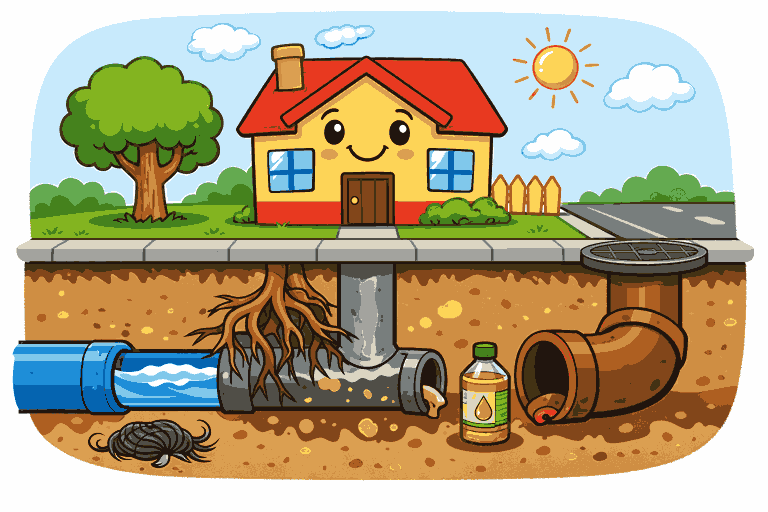
Grease and Fat Buildup: Cooking oils and fats that go down the sink can cool and solidify, restricting flow and causing persistent clogs. Instead, collect grease in a sealable container and throw it in the trash.
Hair Accumulation: Hair easily gathers inside bathroom drains, where it tangles and traps other debris. Installing drain screens provides a first line of defense.
Tree Root Intrusion: Roots from nearby trees are naturally drawn to the moisture in sewer pipes and can infiltrate small cracks, causing significant blockages as they grow. Annual inspections and quick repairs are essential for prevention.
Flushing Non-Biodegradable Items: Many personal items labeled as “flushable” like wipes, feminine products, and paper towels do not break down quickly and can contribute to severe clogs or pipe backups. Place these in the garbage instead.
Preventive Maintenance Tips
Establishing strong maintenance habits is a straightforward way to extend your plumbing’s life and avoid surprise issues. These practices can significantly minimize the risk of clogs and deterioration:
Regular Hot Water Flushing: Running hot water through kitchen drains weekly helps dissolve small grease particles and soap scum, keeping pipes clear.
Baking Soda and Vinegar Cleaning: Each month, pour a quarter-cup of baking soda followed by a quarter-cup of vinegar down the drain, wait half an hour, then flush with hot water. This natural approach cuts through grime without damaging your pipes.
Install Drain Screens: Place mesh traps over sink and shower drains to catch hair and debris before it causes problems.
Avoid Harsh Chemicals: Many chemical drain cleaners are corrosive, ultimately wearing down pipes. Choose enzyme-based solutions or mechanical methods like plungers for safe, effective cleaning.
Practice Proper Disposal: Never pour fats, oils, or grease down drains and always throw non-biodegradable trash in your waste bin.
Signs of Potential Problems
Recognizing the warning signs of a looming drain or sewer issue allows for early intervention and saves on more expensive repairs. Watch for these key indicators:
Slow Drainage: Sinks, tubs, or showers that empty sluggishly are a sign of a partial clog somewhere along the line.
Foul Odors: Persistent bad smells coming from drains may mean there is a buildup in the pipes or a sewer line issue that needs addressing.
Gurgling Sounds: Strange noises from drains or toilets can signal blockages or venting problems that disrupt normal water flow.
Water Backups: Recurring water backing up in sinks, tubs, or floor drains marks a major pipe blockage or even a broken sewer line.
When to Call a Professional
If you have followed preventive steps and problems persist, professional intervention is necessary. Plumbing experts use specialized diagnostic tools and cleaning equipment to address deeper issues. Some common professional solutions include:
Camera Inspections: A small camera inserted into pipes helps plumbers precisely locate and identify issues like blockages, cracks, or root intrusion.
Hydro-Jetting: This technique uses highly pressurized water to break up stubborn buildups or tree roots, clearing pipes without chemicals.
Pipe Repair or Replacement: Professionals can replace sections of damaged pipe or restore collapsed main lines if necessary to prevent future backups and leaks.
Conclusion
Routine care for your drains and sewer lines is essential for preserving your home’s plumbing health and value. By identifying the most common causes of issues and adopting a few simple habits, you can prevent disruptions and safeguard your home. When warning signs appear or if basic measures do not resolve a problem, don’t hesitate to contact a plumbing professional to get your system running smoothly again. With these strategies in place, you can enjoy peace of mind and uninterrupted comfort year-round.