An HVAC system regulates indoor comfort by controlling temperature, managing humidity, and supporting air quality. It circulates air through filters that help capture dust and other airborne particles. Here’s what beginners should know about HVAC maintenance services:
Air Filter Replacement
Air filter replacement helps protect climate control equipment from damage caused by accumulated dust and debris. Air filters capture airborne particles, but over time, they become clogged, reducing airflow and forcing the system to work harder while operating less efficiently. Restricted airflow places added strain on components such as the blower motor and contributes to premature wear.
Professional services include inspecting the existing filter and installing a new, clean replacement when needed. During routine HVAC maintenance services, technicians evaluate filter condition and address any buildup that could interfere with airflow. Dirty filters are replaced to restore proper circulation and system performance.
Regular filter changes support healthier indoor air quality and help maintain balanced system pressure. Technicians use appropriately rated, high-quality filters to keep airflow consistent and extend equipment lifespan. They are also able to show you how to replace your filter and when to do so.
System Coil Cleaning
System coil cleaning restores heat transfer efficiency within climate control equipment. The condenser and evaporator coils serve as key heat-exchange components that help move heat between indoor and outdoor air. When these metal coils remain clear, the system transfers heat more effectively and maintains stable indoor temperatures. Continuous airflow deposits dust, debris, and other buildup on coil surfaces; this layer acts as an insulating barrier that reduces heat exchange efficiency. As a result, the system runs longer cycles to reach the desired temperature and operates under greater strain.
The service begins with an inspection followed by a thorough removal of accumulated debris from both indoor and outdoor coil surfaces. Inside the home, an HVAC technician accesses the evaporator coil to remove dust and household buildup. Outside, the condenser coil is cleaned to eliminate grass clippings, leaves, dirt, and other environmental debris. If ice formation appears on a coil during service, the technician removes the buildup; this restores proper heat transfer and system function.
Refrigerant Level Verification
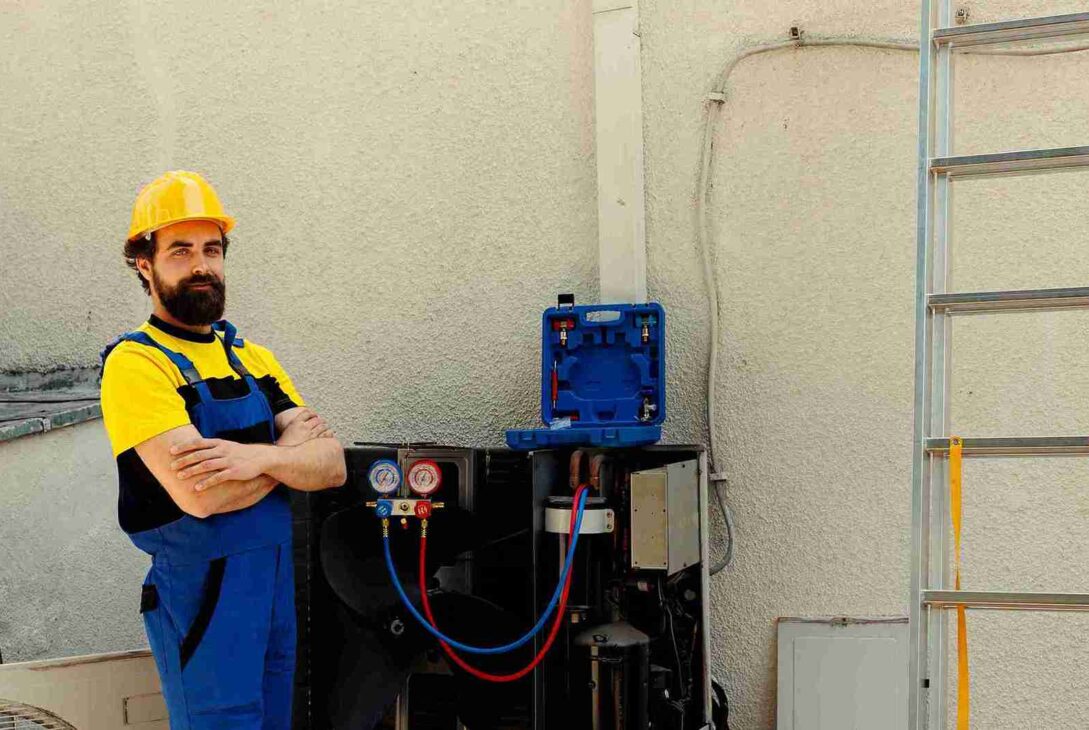
Refrigerant level verification verifies that a cooling system contains the correct amount of refrigerant needed for proper heat transfer. This refrigerant absorbs indoor heat and releases it outdoors, enabling the system to cool effectively. When levels fall outside the proper range, performance declines and system components experience added stress. Technicians assess system performance by checking operating pressures and inspecting refrigerant lines for signs of wear or leakage. Gauges are connected to the outdoor unit to measure pressure and confirm that the system is operating within the expected range. When low refrigerant levels are detected, technicians inspect copper tubing and connection points to locate potential leaks. Any identified leaks are repaired, and weak joints are sealed to restore and maintain the correct refrigerant charge.
You can also read about Innovative Solutions Provided by Mobile Offices for On-Site Projects.
Electrical Connection Inspection
Electrical connection inspection focuses on evaluating the wiring and power connections within climate control equipment. Normal vibration during operation loosens electrical connections, increasing resistance within the system. Higher resistance produces excess heat, which places stress on sensitive components and contributes to unexpected system shutdowns.
During a service visit, technicians perform a safety-focused inspection of internal wiring, terminals, and control components. They test connections to confirm secure electrical flow and consistent system operation. Wires are examined for signs of burning, corrosion, or fraying that indicate potential failure points. When damaged wiring or loose terminals are found, technicians secure connections or replace affected wire sections as needed. Other components that technicians check include:
- Control boards
- Capacitors (rating and condition)
- Circuit breakers
- Safety switches
Thermostat Calibration Checks
Thermostat calibration checks assess the accuracy of a system’s primary temperature sensor. Dust buildup or normal wear can affect internal sensors and cause temperature readings to drift. When this happens, the thermostat displays an incorrect indoor temperature. A miscalibrated thermostat disrupts system performance, leading to irregular cycling or extended run times. During a maintenance visit, a technician compares the thermostat reading with a calibrated digital temperature gauge placed nearby. Both devices are allowed to stabilize in the same room conditions before readings are evaluated.
Explore HVAC Maintenance Services
HVAC professionals perform a variety of checks to verify your system is functioning optimally. If you are a beginner, they are also able to discuss maintenance tips and schedule follow-up checks with you. Contact a reputable HVAC technician to learn more about their services.