The construction industry is undergoing a dramatic transformation driven by technological innovations. Today’s job sites are safer, smarter, and more efficient thanks to the latest advancements in equipment and digital systems. From Artificial Intelligence (AI) to sustainable energy, these new solutions are not only improving productivity but also raising on-site safety standards. Innovative solutions, such as smart sensors, telematics, and predictive analytics, along with essential accessories like construction debris tarp, are changing the landscape of building and infrastructure development. As the industry continues to evolve, stakeholders are realizing the value of investing in new technology to future-proof their operations and manage risks.
While these changes are opening doors to enhanced project delivery and environmental stewardship, construction also faces hurdles in adopting digital technologies. Overcoming these challenges is key to unlocking further gains in safety, efficiency, and sustainability. This article examines the main technological forces reshaping construction equipment and explores the evident benefits, ongoing obstacles, and what the future holds for the industry.
Artificial Intelligence and IoT Integration
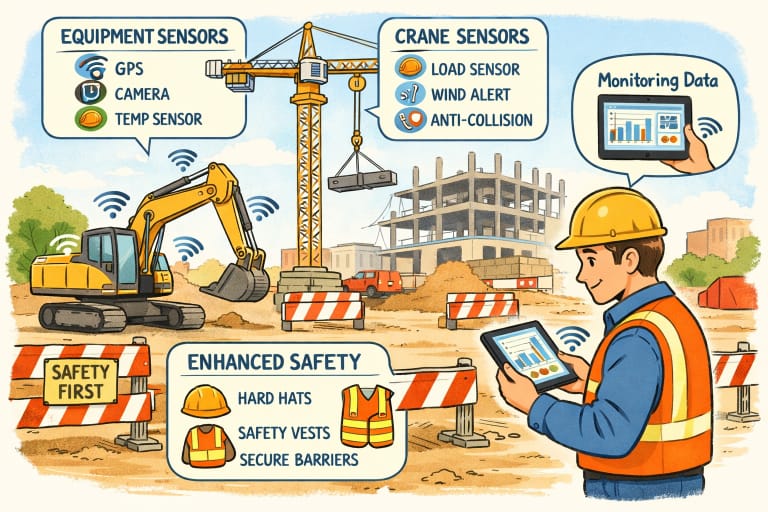
With the arrival of advanced AI and IoT systems, construction equipment now operates within a highly connected ecosystem. IoT sensors continually monitor the condition of heavy machinery, alerting operators and managers to maintenance needs before failures occur. AI-driven software analyzes sensor data to anticipate risks, such as mechanical wear or unsafe equipment operation, allowing teams to take preventative measures. This shift increases the reliability of equipment fleets while proactively preventing accidents and delays.
Automation and Robotics in Construction
The adoption of automation and robotics is revolutionizing traditional construction processes. Machines equipped with machine learning and advanced programming can undertake dangerous, repetitive, or time-consuming tasks without direct human oversight. For example, automated excavators and robotic bricklayers deliver consistent results, freeing skilled labor for more complex assignments. This not only resolves recurring labor shortages but also ensures strict adherence to timelines and quality benchmarks.
You can also read about Smart HVAC Solutions for Modern Homes.
Advanced Safety Features
Safety remains critical for all construction activities. Modern equipment is designed with the latest safety technologies, such as collision-mitigation systems that automatically deploy if a person or obstacle is detected. Integrated sensors can halt a machine or prevent sudden gear engagement, sharply reducing the risk of accidents linked to operator error or insufficient visibility. These developments have directly contributed to the steady decline in worksite injuries and fatalities over the past decades, reinforcing safety-first practices.
Telematics and Data Analytics
Telematics systems now play a pivotal role in construction equipment management. By transmitting live data on equipment usage, geographic location, and mechanical health, telematics helps project leaders keep their fleets under real-time control. This ongoing flow of insights enables dynamic scheduling, preventive maintenance, and optimized machine allocation. Furthermore, data analytics reveals trends in fuel consumption, operational bottlenecks, and even operator performance, helping companies make strategic decisions to cut costs and boost site productivity.
Sustainable Technologies
Sustainability is fast becoming a cornerstone value in construction equipment design. Manufacturers focus on producing more fuel-efficient engines, using renewable energy sources, and incorporating recycled materials into machinery production. Battery-electric and hybrid models are gaining traction, offering quieter, emission-free operation for urban jobsites. Additionally, features such as GPS-guided control systems enhance millimeter-level accuracy in grading or excavation, saving both material and energy while minimizing waste. These eco-friendly changes not only lower environmental footprints but also yield impressive long-term cost savings for contractors.
Challenges in Technology Adoption
Despite proven benefits, construction equipment technology faces a slower adoption curve than seen in other sectors. High up-front costs for new machinery, lack of trained staff, and general resistance to change are common obstacles. Successful integration often requires significant investment in workforce development and culture change initiatives. Nevertheless, as the tangible returns on investment become undeniable and competitive pressure grows, more firms are turning to smart equipment upgrades as an essential strategy rather than an optional expense.
Future Outlook
Technological advancements will continue to drive the construction industry forward. Next-generation AI, intelligent sensors, and environmentally conscious machine design will cement their place as indispensable tools for every forward-thinking contractor. Companies that embrace change will benefit from reduced risk, greater profitability, and a reputation for quality work. As technology continues to open new possibilities, construction sites will grow safer, cleaner, and more connected, setting new benchmarks for efficiency and performance. The construction sector is on an exciting journey as it harnesses new technologies to transform its core operations. Visionary leaders and innovative products are already reshaping safety, efficiency, and sustainability standards on every job site. As challenges are overcome and digital adoption accelerates, the benefits for workers, managers, and clients will only continue to grow.