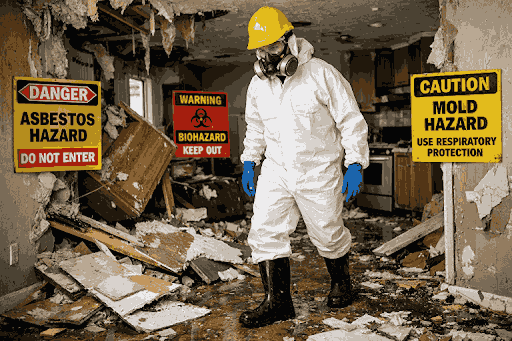
Understanding Hazardous Materials Post-Disaster
When disaster strikes, it rarely leaves a clean slate behind. Floods, hurricanes, and wildfires often spread hazardous materials, including toxic chemicals, biological contaminants, and dangerous structural debris. Recognizing these risks is essential before beginning any cleanup efforts. Relying on experienced restoration professionals can provide critical guidance and ensure both safety and regulatory compliance throughout the recovery process.
Many hazardous materials may be hidden or difficult to identify after a disaster. This underscores the importance of individuals and homeowners remaining cautious and conducting a thorough assessment. The presence of chemical residues, mold, and debris can pose health threats not only immediately but also weeks or months after the event.
Understanding the types of hazards commonly found, such as industrial chemicals, asbestos, lead, and microorganisms, prepares homeowners and cleanup crews to proceed thoughtfully. Uninformed or rushed removal may increase health risks and further damage property. If your property is severely affected, seeking out specialized storm damage restoration services can ensure the environment is evaluated for hidden dangers and the cleanup is managed safely and thoroughly.
Initial Safety Measures Before Cleanup
Assess Structural Integrity: Evaluate buildings for safety before entering. Unstable structures are a leading cause of post-disaster injuries, which is why professionals should be consulted to ensure stability before proceeding.
Identify Potential Hazards: Be on high alert for chemical spills, exposed asbestos, fuel leaks, and biological contaminants. These dangers often become more pronounced after disasters displace or damage buildings, their contents, and infrastructure.
You can also read about Driving Safety and Efficiency in Construction Equipment.
Personal Protective Equipment (PPE) Essentials
PPE is the first line of defense against injury or illness. Essential gear for any hazardous material cleanup includes:
- Hard hats to protect from falling debris
- Goggles to protect eyes from dust and chemicals
- N95 masks or respirators to guard against inhaling harmful substances
- Heavy-duty gloves for hand protection
- Waterproof boots with steel toes and insoles to shield feet from sharp objects and dangerous liquids
The importance of PPE cannot be overstated, as direct contact with hazardous substances may lead to serious health consequences.
Handling Chemical Hazards
Disasters can result in the scattering or mixing of chemicals such as cleaning supplies, fuels, and industrial products. Guidelines for handling these hazards include:
Avoid Direct Contact: Skip handling or moving unknown or compromised chemical containers. Vapors or leaks pose a high risk of poisoning or fire.
Report Spills: Immediately inform local authorities or the National Response Center of any oil or chemical spill. Rapid response reduces both health risks and environmental damage.
Proper Disposal: Follow your municipality’s procedures for discarding toxic waste, always separating chemicals from standard waste streams.
Staying current on chemical safety and disposal standards will help safeguard both individuals and communities.
Dealing with Mold and Biological Contaminants
Standing water, moisture, and debris heighten the risk of mold and bacteria following a disaster. Steps to manage these hazards:
Dry Out Areas Promptly: Utilize fans, open windows, and dehumidifiers to accelerate drying. Quick action prevents mold spores from spreading and taking hold.
Remove Contaminated Materials: Discard porous materials such as carpets, insulation, and drywall that cannot be easily or thoroughly cleaned. These items can harbor dangerous mold and bacteria.
Clean Surfaces: Hard, nonporous surfaces should be cleaned with soap and water, which is generally safer than bleach or harsh chemicals for non-professional use.
Safe Debris Removal Practices
Managing debris safely is a major aspect of disaster recovery, especially during storm damage restoration. Always work in teams to reduce the risk of lifting injuries or accidents with unstable materials. Avoid overexertion by taking regular breaks and drinking water, especially during demanding cleanup operations.
Power tools like chainsaws and generators should be operated strictly according to their manuals, and always with the required personal protective gear. This reduces the likelihood of serious injury during debris removal.
Preventing Carbon Monoxide Poisoning
The use of portable generators, grills, and other fuel-powered equipment during cleanup can quickly lead to dangerous carbon monoxide (CO) buildup in enclosed or semi-enclosed spaces. To protect yourself and others:
Only operate fuel-burning devices outdoors, far from windows and vents. Install and test CO detectors in homes and temporary shelters, replacing batteries regularly. Know the symptoms of CO poisoning, such as headaches, nausea, dizziness, and confusion, and seek medical help immediately if they arise.
Proper Disposal of Hazardous Waste
Separate Waste: Sort debris into recyclables, household waste, and hazardous materials for proper disposal and reduced environmental impact.
Follow Local Guidelines: Communities frequently provide detailed protocols and collection schedules for hazardous waste to prevent illegal dumping or dangerous releases.
Do Not Burn Debris: Open burning of contaminated waste releases toxins into the air and poses significant health hazards.
Always consult your local waste management agency or environmental health department for the most current and safe waste disposal instructions.
Seeking Professional Assistance
Some hazards, such as large quantities of asbestos, lead, or chemical waste, demand specialized cleanup by professionals. Certified hazardous material removal experts have the equipment, training, and resources to manage these risks while ensuring compliance with local and federal regulations. When faced with uncertainty or highly dangerous conditions, do not attempt cleanup on your own. Always call in a qualified team.
Implementing these practices allows individuals and communities to manage hazardous materials safely and effectively following a disaster. By staying informed and following expert advice, recovery becomes safer and more efficient for everyone involved.