Modern homeowners are constantly searching for ways to improve comfort, save on energy, and make life more convenient. With smart technologies rapidly evolving, integrating advanced heating and cooling options has become much easier. Smart HVAC (Heating, Ventilation, and Air Conditioning) systems now allow for responsive, automated, and highly efficient climate control. Making the decision to upgrade can offer significant benefits to your everyday life. If you need expert advice or installation, consider working with a commercial HVAC contractor to ensure your smart home system is a perfect fit for your property.
These smart solutions blend seamlessly into existing smart home environments, offering features like adaptive scheduling, remote control, and real-time performance monitoring. The benefits go beyond comfort, often resulting in real energy savings and reduced environmental impact. As more people prioritize home sustainability and efficiency, the demand for these advanced systems continues to rise.
Understanding Smart HVAC Systems
Smart HVAC systems leverage emerging technologies such as IoT (Internet of Things), artificial intelligence, and advanced sensors to regulate heating and cooling with impressive precision. Unlike older systems, they adapt to your routines, automatically adjust energy use, and provide real-time data on system performance. From monitoring air quality to learning when rooms are unoccupied, these systems are designed with both comfort and cost savings in mind.
Benefits of Smart HVAC Solutions
Personalized Comfort
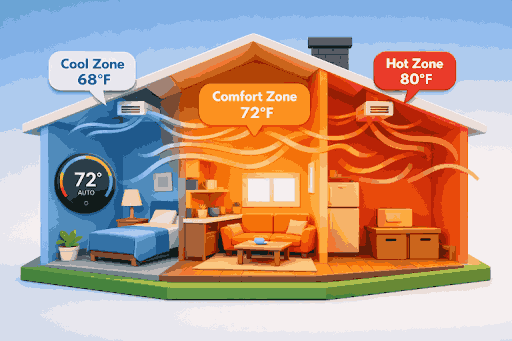
One of the most appealing features of smart HVAC systems is their ability to create different comfort zones throughout your home. For instance, bedrooms can remain cooler at night while living areas stay comfortable during the day. Using user profiles and learning routines, the system automatically delivers tailored comfort for everyone in the household.
Enhanced Energy Efficiency
By using connections to occupancy sensors and learning algorithms, smart HVAC systems can detect when a room or an entire house is empty. This allows for significant reductions in unnecessary heating or cooling, ultimately leading to lower utility bills and a reduced carbon footprint.
Seamless Integration with Smart Home Ecosystems
Modern HVAC solutions are often compatible with other smart home devices such as thermostats, lighting, and security systems. You can control everything via a central app or through voice assistants, simplifying management and enabling convenient automation routines that follow your daily schedule.
Popular Smart HVAC Technologies
Smart Thermostats
Devices like the Honeywell Home X2S Smart Thermostat enhance household comfort by supporting remote control, scheduling, and geofencing. Users can set up daily routines so the system automatically heats or cools rooms based on occupancy or the time of day. Compatible with many HVAC systems, this technology is a staple in most smart homes.
Advanced Sensors and AI Integration
AI-powered sensors allow HVAC systems to respond not only to temperature and humidity, but also to air quality and even individual user preferences. By continually analyzing real-time data, these systems maintain an ideal indoor environment while maximizing energy efficiency. The result is smarter home comfort with less need for manual adjustment.
You can also read about Electrical Services for Homes and Businesses.
Implementing Smart HVAC in Your Home
Assess Your Current System
Before making the switch, it is important to understand if your current system is compatible with smart upgrades. Some older HVAC units may need hardware updates or specialized controllers. Taking stock of your setup ensures you choose compatible smart devices and avoid unnecessary expenses.
Choose the Right Products
When shopping for smart HVAC solutions, focus on devices that not only suit your lifestyle and preferences but also work with your existing home infrastructure. Look for established brands known for reliability, user-friendly interfaces, and broad compatibility.
Professional Installation and Setup
For optimal results, have your smart systems installed by a certified technician. A professional can configure your setup, advise on best practices, and troubleshoot issues before they arise. They also help ensure your investment is protected through proper installation and calibration.
Maintenance and Upkeep
Ongoing maintenance is critical for the long-term performance of smart HVAC systems. This includes regular software updates, replacing air filters, and scheduling professional inspections. Staying current on these tasks helps prevent breakdowns and extends the life of your equipment, keeping your smart home running smoothly for years to come.
Final Thoughts
Embracing smart HVAC solutions can revolutionize your home’s comfort and energy efficiency. By thoughtfully selecting and implementing these advanced technologies, homeowners benefit from fully customized environments, seamless integration, and meaningful savings. Smart systems are a forward-thinking investment that supports both personal well-being and global sustainability.