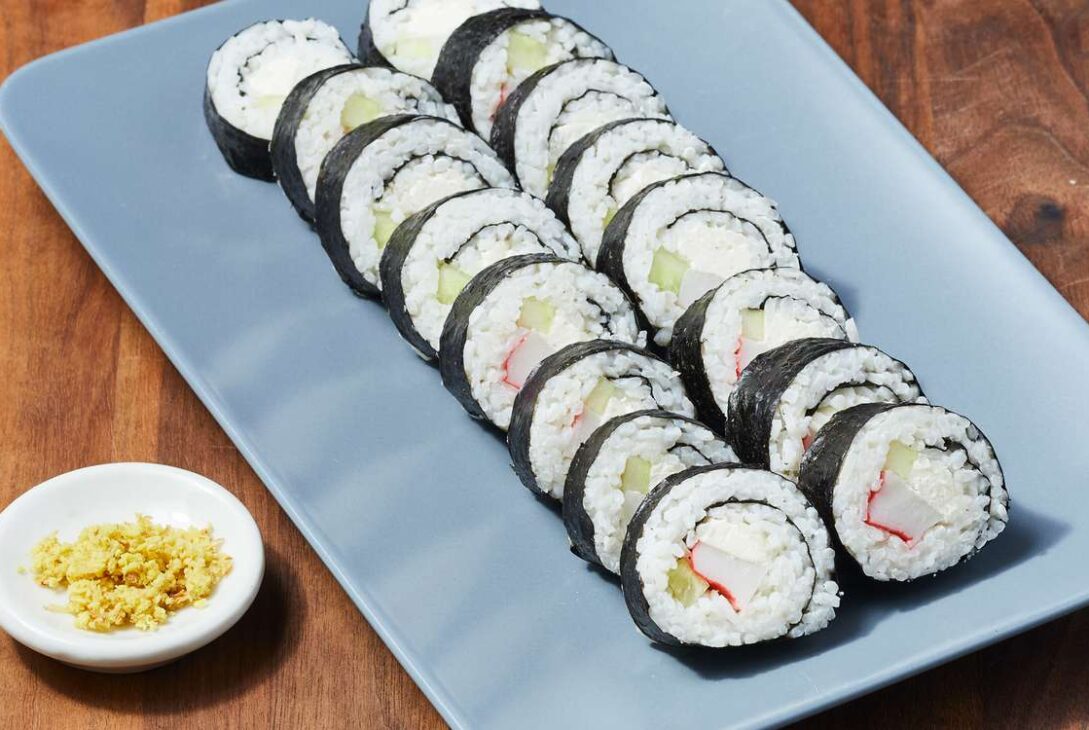
The sushi world is huge and tasty, which is filled with countless combinations of taste and texture. Among many popular alternatives is Alaska Roll as a fresh, creamy, and satisfactory alternative. Whether you are an experienced sushi trick or just starting your Pakistan tour, it is a must to understand this classic role.
This guide will detect all the things you need to learn about the Alaska roll – its signature from components, how it compares to other famous rolls, and suggest rolling your own sushi work at home.
Discovering the Alaska Roll
In the heart, Alaska, Roll celebrates the unique taste of salmon. While the recipe can vary from one Japanese restaurant to another, the most classic Alaska rolls depend on a good, loving combination. Sushi rice signatures bring a sticky base, while Nori, or marine algae paper, acts as a rolling cover. Avocado softens, adds texture to the butter, a cool crunch comes from the cucumber, and the show’s star component – a safe, fresh taste.
You often discover the cream cheese in an Alaska roll, and provide delicious prosperity that is quite the opposite of salmon and sharp vegetables. While smoked salmon is a frequent alternative, there are many options for fresh, raw sushi-class salmon for the taste of a cleaner sea. This roll is usually made in the Urmaki style, which means that the rice is out with Nori, embraces
Comparing Rolls
The Essence of the Alaska Roll
Alaska Roll is about all salmon, either raw or smoked. The rolls are rounded with smooth cream cheese to creamy avocado, sharp cucumber, and many times, extra joy. It is a fusion of freshness and prosperity.
What Sets the California Roll Apart
California roll imitation switches raw fish after crab meat, often called crab mix, with a mild, satisfactory taste, with avocado and cucumber. Since there is no raw seafood, California Roll Sushi has become a favorite for newcomers.
Philadelphia Roll
In Philadelphia rolls, smooth cream cheese and smoked Salmon Tech Center scene, offering a classic Bagel combination node. Sometimes the cucumber is included and brings everything in a soft, creamy bite.
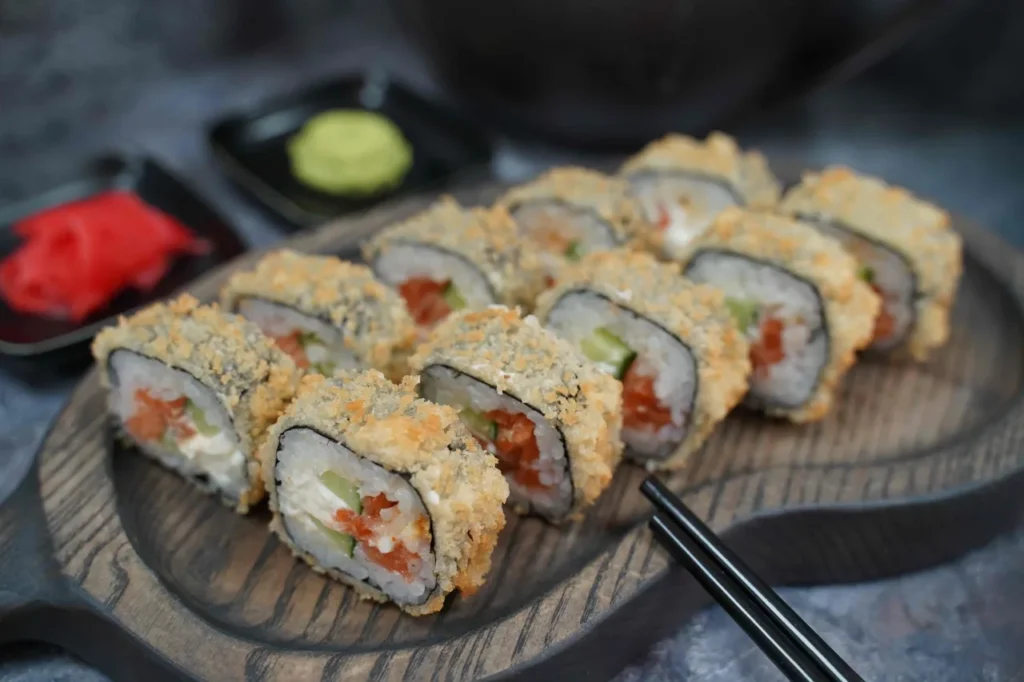
While all three rolls are undeniably popular, the Alaska roll stands out to unite the delicate taste of raw seafood with familiar creamy and sharp elements.
You can also read about sunshine mindset
Crafting Your Own Alaska Roll Sushi
The taste of Alaska roll is easy to bring to your own kitchen as much as you can think, and by making sushi at home, you can use fresh material of top quality.
Must-Haves for Making an Alaska Roll
Start with traditional sushiris, which provide a viscous basis. Then, a mixture of rice vinegar, sugar, and salt that infuses the rice with a classic tangy-sweet taste, with a sushi vinegar.
You need a NORI sheet to hold everything, and to fill, choose the best sushi-grade salmon that you can buy, or if it is fresh, raw Atlantic salmon or smoked Pacific salmon for a deep taste. For prosperity, choose full-fat cream cheese, perfectly ripened avocado for lubrication, and hot house-ages chopped into matchsticks for fresh knobs.
Significant equipment includes a bamboo sushi mat, which helps you roll sushi tightly, and the same. For an extra outbreak of flavor, there is a topping or sauce on hand – toasted sesame seeds, seasoned mayo, eel, or classic soy sauce.
Ensuring Safety with Raw Seafood
Using raw fish in sushi requires special care. Always buy the salmon from a reliable source and confirm that it is labeled as a “sushi-degree” or “sashimi-grade”. This type of fish is carefully handled and flashed to reduce the risk. Never cut the corners of food security, as your health and joy move by hand with every delicious bit.
Rolling Your Alaska Sushi Like a Pro
First, you need to prepare your sushi rice according to the instructions and allow it to cool before folding in seasoned vinegar. Place a bamboo mat on a clean work surface, and if you like, cover it with a plastic wrap for easy cleaning. Add a bowl of water nearby to prevent sticky rice from sticking to your fingers.
Then place a sheet of Nori, shiny side of the mat. Moisten your hands, and then spread a layer of rice on top, leaving an area along the edge. To make an ully or in and out rolls, the norway twisted gently so that the rice faces the bottom.
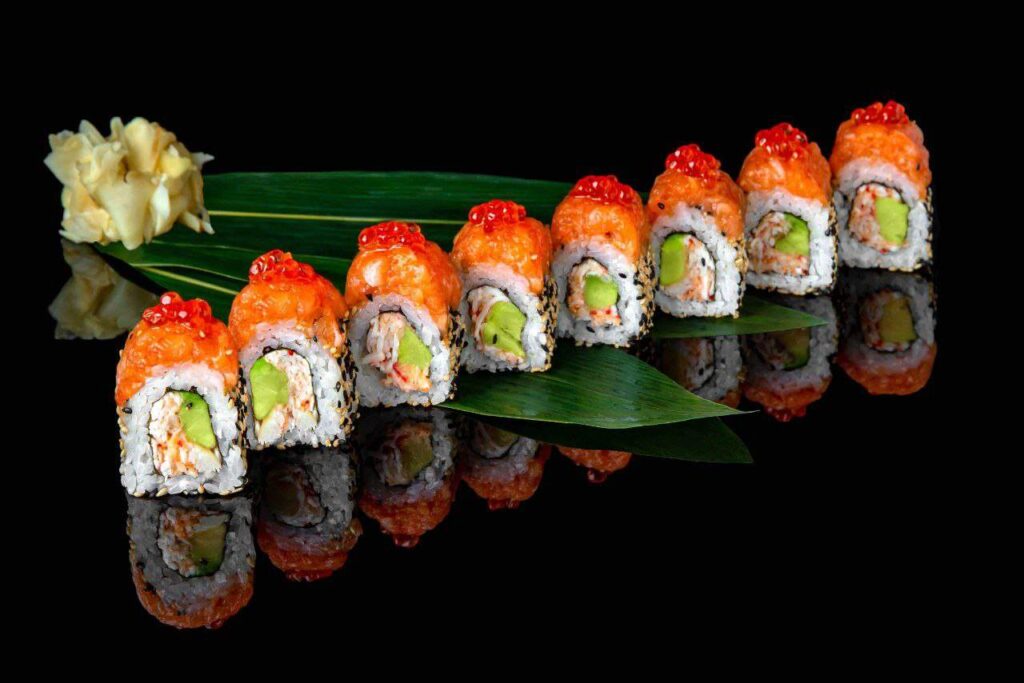
Now to fill- to fill a smooth series of sushi class salmon, delicate avocado slices, sharp cucumber, and a smooth line with cream cheese over the middle.
When you are ready to roll, hold the bamboo mat and tuck the filled edge of the material. Apply soft pressure yet to shape the roll into a tight cylinder, and then continue rolling until it is closed. Moisten a sharp knife and cut the roll into six to eight clean pieces, and dry the blade between cuts for clean results.
Arrange sushi on a plate and serve a splash of soy sauce for spicy ginger, a dubbin, and a needle. Spicy Sriracha can lift the experience with mayo or a drizzle of sweet eel.
You can also read about malia manocherian
Sushi’s Cultural Story
Sushi roots return to methods for ancient Japanese conservation methods, where the fish was stored in fermented rice. Over centuries, sushi evolved into a well-known package, focused on accurate presentation and fresh ingredients.
Alaska Roll, like California Roll, is a western construction of sushi global journey. The North American chef adopted regional taste, which included starfish from places like the Pacific Northwest, and inspired the local favorite. Alaska Salmon, known for its texture and rich taste, has properties in this fusion, which makes Alaska a favorite staple in countless menus.
Making and enjoying Alaska roll is more than the choice of food – it is a celebration of tradition, innovation, and personal taste. Each bit connects you to the wide world of artistry and the sushi of Japanese food.