Key Takeaways
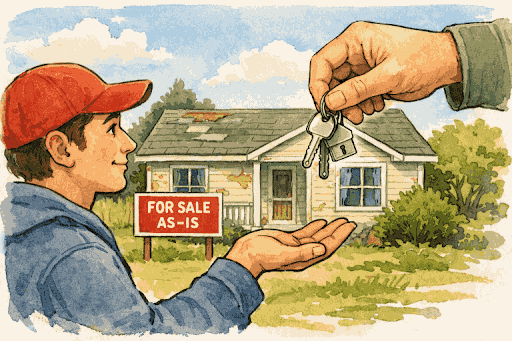
- Selling a house as-is means offering it in its current condition without making repairs.
- While this approach can expedite the sale process, it may result in a lower sale price.
- Understanding the pros and cons, legal obligations, and effective strategies can help maximize your outcome.
Selling your home “as-is” is a unique strategy where the property is listed and sold in its present condition. This approach appeals to homeowners who want to sell quickly or cannot commit to costly repairs. By offering your property as-is, you may avoid months of renovations, but you might need to accept a lower sale price due to increased risk and fewer buyers. For homeowners looking to streamline the process, resources like bludoor offer guidance on making successful as-is home sales.
A potential drawback to an as-is sale is the smaller buyer pool, especially since many shoppers prefer move-in-ready homes. Sellers need to weigh all options, as the success of this sales method depends on various factors, including location, current market demand, and price strategy.
Transparency and legal compliance are equally important when selling as-is. Understanding disclosure obligations and working with real estate professionals can help sellers navigate the process while minimizing risks. By approaching an as-is sale with clear knowledge of its pros and cons, you can set realistic expectations and goals.
Those exploring this sales route should also consider the value of partnering with specialized platforms and agents. For more tailored advice, which provides in-depth information for sellers of all experience levels.
Understanding the As-Is Sale
Listing your house as-is means you do not plan to make repairs or improvements before the sale. This can benefit owners who are dealing with inherited properties, time constraints, or limited resources. However, selling as-is typically attracts cash buyers, investors, or those interested in fixer-uppers, as traditional buyers may be deterred by the extra work and costs.
The as-is strategy doesn’t mean hiding flaws. Instead, it’s about setting honest expectations with potential buyers. Openly communicating the property’s condition can lead to smoother negotiations and avoid issues late in the closing process.
Pros and Cons of Selling As-Is
Pros:
- Speed: Skipping repairs and renovations can significantly reduce the time your home stays on the market.
- Cost Savings: Avoiding repair costs and upgrades can minimize your financial outlay before selling.
- Simplicity: The process is streamlined, as you focus on marketing and negotiation rather than project management.
Cons:
- Lower Sale Price: Most as-is properties sell below market value because buyers factor in potential repair costs.
- Limited Buyer Pool: Many traditional buyers may not want to take on a home that needs work, which can make finding the right buyer more challenging.
- Disclosure Obligations: Sellers must remain transparent about known defects and issues, which could impact offers and negotiations.
Legal Obligations and Disclosures
Even in an as-is transaction, sellers must follow local and state laws regarding property disclosures. Being upfront about known defects, such as structural damage, water leaks, outdated systems, or hazardous materials, is required by law in most regions. Failing to disclose known problems can result in legal disputes, lost trust, and canceled sales. For an overview of common disclosure requirements, consult this NerdWallet guide.
Proper documentation and transparency not only protect you legally but also assure buyers, potentially facilitating a smoother and quicker transaction.
Strategies to Maximize Your Sale
- Conduct a Pre-Listing Inspection: Arranging for a home inspection before listing allows you to understand the property’s condition. This transparency demonstrates integrity and helps set realistic expectations for buyers.
- Set a Competitive Price: Research similar properties in your area and price your home according to its current condition. A realistic price can attract more potential buyers and may even create competition.
- Highlight Positive Features: Emphasize what makes your property unique, such as its location, lot size, or architectural character. Even homes in need of repair have standout attributes that buyers may value.
- Offer Incentives: Consider helping with closing costs or providing a home warranty. These incentives can make your as-is listing more attractive.
Marketing Your As-Is Property
Marketing plays a pivotal role in attracting the right buyers for an as-is property. High-quality photographs, clear descriptions focused on the home’s potential, and stories about renovation possibilities can appeal to both investors and those looking for a fixer-upper. Target channels that cater to cash buyers or investors, as these audiences are often actively seeking as-is deals. For more strategies, read this Realtor.com article.
Working with Real Estate Professionals
Partnering with a real estate agent who has experience selling as-is properties is highly beneficial. These professionals can help with accurate pricing, marketing tactics, and negotiation strategies suited for buyers interested in as-is homes. They also guide you through legal requirements, helping ensure a smooth and compliant transaction.
Conclusion
Selling a house as-is can be a smart move for many homeowners, offering a faster and less expensive path to closing. However, understanding your obligations, pricing wisely, and highlighting your home’s best features are essential for achieving a successful sale. By working with seasoned professionals and marketing effectively, you can maximize your outcome, ensure transparency, and meet your financial or logistical goals.