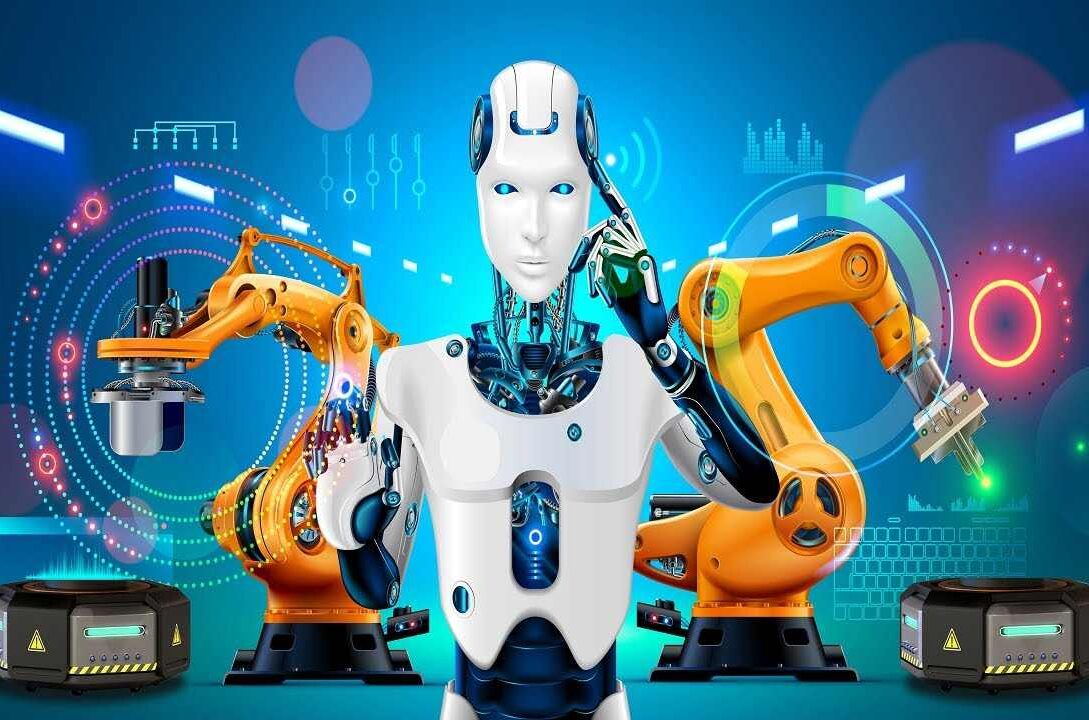
Ponas robotas represents cutting-edge smart robotics designed to work alongside humans in everyday life. These advanced machines blend artificial intelligence with practical functionality to make tasks easier and more efficient. As technology advances rapidly in 2026, ponas robotas is transforming homes, workplaces, and industries by handling repetitive chores and complex decisions.
What Is Ponas Robotas?
Ponas robotas refers to intelligent robotic systems that go beyond simple automation. Unlike basic machines that follow fixed programs, these robots learn from their surroundings and adapt to new situations. They use sensors, cameras, and AI algorithms to understand human needs and respond in real time.
This technology draws from global innovations, particularly in areas like healthcare and logistics. In homes, ponas robotas can vacuum floors, cook meals, or remind elderly users to take medication. The term itself hints at a friendly, approachable assistant, much like a helpful butler in robotic form. Development focuses on safety features, such as collision avoidance and voice recognition, ensuring smooth interaction.
The Evolution of Ponas Robotas Technology
Robotics has come a long way since early industrial arms in factories. Ponas robotas marks the shift to consumer-friendly models powered by machine learning. Early versions were bulky and limited, but today’s designs are sleek, affordable, and connected to smart home systems.
Key advancements include better battery life and cloud computing integration, allowing robots to process data remotely. In 2025, major tech firms invested billions in this space, leading to widespread adoption. Now, in 2026, ponas robotas units appear in American households for tasks like grocery delivery or companionship. This evolution prioritizes user-friendly interfaces, making high-tech features accessible to everyone.
How Ponas Robotas Integrates AI and Machine Learning

Artificial intelligence forms the brain of ponas robotas, enabling it to predict behaviors and improve over time. Machine learning algorithms analyze patterns from user interactions, refining actions for better accuracy. For example, a ponas robotas vacuum learns room layouts to avoid furniture efficiently.
Natural language processing lets these robots converse naturally, answering questions or following voice commands. Security models detect anomalies like intruders using real-time video analysis. This AI backbone solves labor shortages by taking over dull or dangerous jobs, boosting overall productivity.
Benefits of Ponas Robotas in Daily Life
Ponas robotas enhances convenience by automating household chores, freeing time for leisure or work. Families enjoy cleaner homes without effort, as robots handle cleaning, laundry sorting, and even pet feeding. Energy efficiency is another plus, with smart adjustments to power usage based on habits.
In workplaces, ponas robotas supports employees in warehouses or offices, reducing physical strain. Elderly care sees major gains, with robots providing mobility aid and health monitoring. Overall, this technology promotes a balanced lifestyle, blending human creativity with machine reliability.
Applications Across Industries
Healthcare relies on ponas robotas for patient assistance, from delivering supplies to surgical support. Logistics firms use them for inventory management and last-mile deliveries, speeding up operations amid labor gaps. Education benefits too, with interactive tutors adapting to student paces.
Manufacturing sees ponas robotas assembling parts precisely, minimizing errors. Customer service evolves with chatty robots handling queries in stores or online. These applications demonstrate versatility, positioning ponas robotas as a key player in economic growth.
Ponas Robotas vs Traditional Automation
| Feature | Ponas Robotas | Traditional Automation |
| Adaptability | Learns and adjusts in real time | Fixed programming only |
| Intelligence | AI-driven decision making | Rule-based operations |
| Cost Over Time | Decreases with updates | High initial setup |
| Human Interaction | Natural voice and gestures | Minimal to none |
| Use Cases | Homes, healthcare, logistics | Factories only |
This table highlights why ponas robotas outperforms older systems in flexibility and user-friendliness.
Key Features of Modern Ponas Robotas
Modern ponas robotas boasts impressive capabilities that set it apart. Obstacle detection uses LiDAR and cameras for safe navigation around people and objects. Voice assistants integrate with platforms like Alexa for seamless control.
Battery life now lasts full days on a single charge, with quick recharge options. Customizable personalities make interaction fun, from cheerful helpers to professional aides. Connectivity ensures over-the-air updates, keeping units current without replacements.
Quick Specs Overview
- Navigation: LiDAR and AI mapping
- Power: 24-hour runtime
- Interaction: Multi-language voice support
- Safety: Auto-stop sensors
- Price Range: $500-$2000
Challenges and Future Outlook
Despite progress, ponas robotas faces hurdles like high upfront costs and privacy concerns from constant data collection. Ethical questions arise about job displacement, though retraining programs help workers shift roles. Regulations in 2026 aim to standardize safety across regions.
Looking ahead, expect smaller, more powerful models with advanced emotional recognition. Integration with augmented reality could create hybrid human-robot teams. As adoption grows, ponas robotas will redefine productivity, making futuristic living commonplace.
you can also read about twitter r5 pro
Frequently Asked Questions
What does ponas robotas mean?
Ponas robotas translates to “Mr. Robot” in Lithuanian, often linked to smart robotic assistants in modern tech discussions. It symbolizes intelligent machines aiding daily tasks.
Where can I buy a ponas robotas?
Ponas robotas-style robots are available from major retailers like Amazon or tech stores, with models starting under $1000 for home use. Check reviews for top picks.