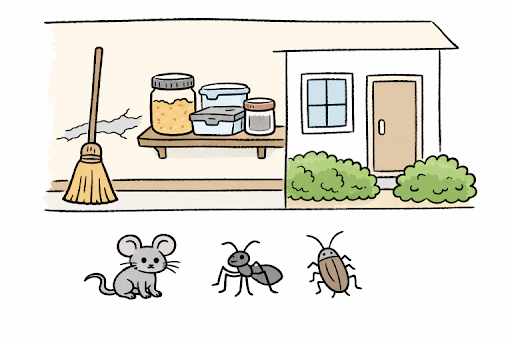
Maintaining a pest-free home is crucial for your family’s health, comfort, and safety. Unwanted pests can threaten structural integrity, cause contamination, and create unnecessary stress. Fortunately, there are practical steps every homeowner can take to minimize the chance of unwelcome guests gaining entry. For many, implementing these simple changes is the first line of defense, but for persistent or large-scale issues, it’s best to consult expert pest control services in Weston for long-term prevention.
The most effective preventive strategies target the conditions that attract pests and make their entry tough or impossible. Protection begins outside, but must be matched with vigilance and cleanliness inside. By understanding how pests operate and what they seek, you can adapt your household habits for better peace of mind and a healthier home environment.
Seal Entry Points
One of the most important pest control measures is sealing off potential entry points. Even small cracks and crevices in the foundation, walls, or around doors and windows are enough for mice, ants, and cockroaches to enter. Regularly inspect your home’s exterior, paying close attention to utility lines and vents. Use caulk or weather stripping to seal any gaps. A simple rule is that if a standard pen fits in the gap, a rat could fit in as well. This step is among the top recommendations from pest experts to reduce the likelihood of an infestation.
Maintain Cleanliness
Cleanliness plays a key role in pest prevention. Pests flock to areas where food residue and clutter accumulate. Make a habit of sweeping, vacuuming, and mopping routinely, with particular attention to the kitchen and dining areas. Avoid letting dirty dishes pile up and promptly clean up crumbs and spills. Reducing clutter is equally important because it eliminates hiding places for pests, which is why home maintenance experts highly recommend regular decluttering. More tips on maintaining a pest-proof home can be found in this helpful home advice resource.
Manage Moisture
Pests such as silverfish, cockroaches, and termites are attracted to damp environments. Addressing leaks, dripping faucets, and poor drainage is essential. Use dehumidifiers where necessary, particularly in basements, crawl spaces, and bathrooms that tend to be more humid. Keep your gutters clean, so water flows away from the structure, and ensure there is no standing water around your foundation. More guidance on this is available in this Better Homes & Gardens article.
Proper Food Storage
Stored food attracts a wide range of pests. Always put pantry items and pet food in airtight containers rather than leaving them exposed. Dispose of garbage regularly and use trash bins with tight-fitting lids. Clean bins frequently to prevent residue that can attract flies, ants, and rodents. Never leave pet food outside overnight, as this can be a significant draw for larger pests.
You can also read about Proven Strategies to Sell Your Home Fast.
Yard Maintenance
Your yard can serve as a welcoming point for pests that eventually move indoors. Keep landscaping trimmed, especially branches and bushes that touch the house. Move firewood and compost bins at least 20 feet from your home’s perimeter. Eliminate standing water from birdbaths, flowerpots, and toys. These habits prevent nesting and breeding sites and maintain a barrier between outdoor pests and your home. For more outside maintenance ideas, you can check HGTV’s guide to pest prevention.
Use Natural Repellents
Natural repellents can keep certain pests at bay without using chemicals. Items such as cinnamon are known to deter flying ants, while peppermint oil and citrus sprays can repel spiders and other insects. Always apply natural products with care, particularly on delicate surfaces, and spot-test to prevent staining. Natural options can be valuable, but consult trusted resources or experts before extensive use.
Regular Inspections
Identifying pest activity early allows for prompt, effective intervention. Check your property routinely for signs such as droppings, gnaw marks, and unusual odors. Regular inspections also alert you to conditions, such as wood rot or gaps, that increase the likelihood of infestations. Consistency ensures that minor issues do not evolve into major infestations.
When to Call Professionals
If pests persist despite your best prevention methods, professional intervention may be necessary. Trained experts can identify elusive pests, provide targeted treatments, and offer ongoing recommendations tailored to your specific home and needs. For infestations involving termites, rodents, or persistent bedbugs, contacting a reputable pest control provider is crucial. High-quality service ensures safety and long-term results and can help protect your property from significant damage. For further reading on when to call in professionals, refer to this recent article in The Washington Post.
By following these essential tips, you reduce your risk of pest problems and maintain a safe, clean environment for your household. Whether you tackle prevention yourself or choose to seek outside help, diligence and regular upkeep are the best defenses for ongoing home protection.