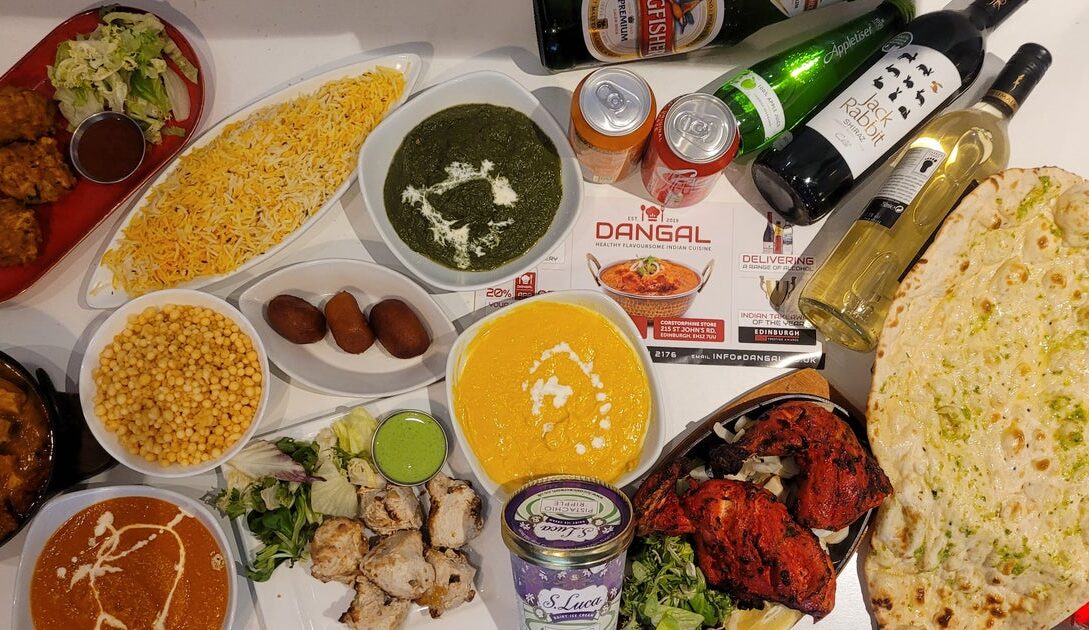
You order a simple Indian dinner. Butter chicken, some naan, a side of rice. The menu says it should cost around eighteen dollars. Then you reach checkout, and the total reads thirty-four. Where did that extra sixteen dollars come from?
If this has happened to you, you already know the quiet frustration of indian food delivery. The food itself is fairly priced. It is everything piled on top that stings.
Here is the thing most people never realize. You can cut that inflated bill way down without ordering less food or eating worse. A few small habits make a real difference, meal after meal.
I am not talking about clipping coupons for hours or giving up your favorite curry. These are simple, practical moves you can start using tonight.
This guide breaks down exactly why delivery costs so much, then shows you how to shrink the bill while still enjoying great Indian food. You will learn the one change that saves the most, the traps that pad your total, and when spending a little more is actually the smart call.
Summary
By the end of this guide, you will know how to enjoy Indian food delivery for far less money.
First, you will understand where all those extra charges come from. Once you see the breakdown, the savings become obvious.
Then you will learn the single biggest money-saver, which most people ignore completely. It takes almost no effort.
You will also discover how to order smarter, so your food stretches further and feeds more people per dollar.
There is a timing trick too, one that unlocks deals and lower fees that many customers never notice.
You will find out which add-ons quietly inflate your bill, and how to skip them without missing out.
Finally, you will learn when paying a bit more genuinely makes sense, because saving money is not always the goal. By the end, you will order with confidence and keep more cash in your pocket.
You can also read about David Allan Coe Songs.
Why Delivery Costs So Much More
Before you can cut the bill, it helps to see what is actually driving it up. That surprise total is rarely about the food.
Delivery apps stack several charges on top of your meal. There is usually a delivery fee, a service fee that is often a percentage of your order, and sometimes a small-order fee if you do not hit a minimum. On busy nights, some apps even add surge pricing.
Then there is the menu markup. Many restaurants quietly raise their prices on delivery apps to cover the hefty commission the app charges them. So the same dish can cost more through an app than it does if you call the restaurant directly.
Add a tip on top of all that, and your eighteen-dollar dinner balloons. None of this means you are being cheated. It just means the convenience has layers of cost baked in. And once you know those layers, you can start peeling them away.
Order Directly From the Restaurant
This is the biggest money-saver, and it is almost embarrassingly simple. Skip the third-party app and order straight from the restaurant.
Many Indian restaurants offer their own online ordering or take orders by phone. When you go this route, you often dodge the app’s inflated menu prices and its service fees. Some places even run their own delivery or offer a discount for picking up.
Think about it from the restaurant’s side. Apps take a big cut of every order, so restaurants love it when you order directly. Many reward that loyalty with better prices, bigger portions, or the occasional freebie for regulars.
Here is my honest opinion, plain and simple. If you order from the same Indian spot more than once a month, ordering directly is the easiest money you will ever save. Take two minutes to find their own website or number, and you might shave several dollars off every single order. Over a year, that adds up fast.
Order Smarter to Stretch Your Money
How you build your order matters just as much as where you order it. A little strategy makes your money go further.
Indian food is perfect for this, because curries and rice stretch beautifully. Instead of everyone ordering a separate dish, order a couple of shareable curries, a big portion of rice, and some bread to go around. A shared spread often feeds more people for less than individual meals.
Family-size or large portions are usually the better deal too. The jump in price from a regular to a large curry is often small, but the extra food can turn one dinner into two meals. That leftover container is basically a free lunch.
Here is a practical example. Two people ordering two full individual meals might spend more than if they shared one large curry, one order of rice, and some naan, and still had food left over. Same satisfaction, smaller bill. Ordering to share is one of the simplest ways to eat well for less.
Time Your Order to Unlock Deals
Here is something most people never think about, and it can quietly save you a lot. When you order matters as much as what you order.
Many restaurants and apps run deals at specific times. Lunch specials are often cheaper than the same dishes at dinner, so a midday curry can cost noticeably less. Some places offer weekday discounts to fill slow nights, or special prices on certain days.
Avoiding peak times helps too. Ordering right at the Friday dinner rush can mean higher fees, longer waits, and sometimes surge pricing on apps. Shift your order a little earlier or later, and you may dodge those extra costs entirely.
Loyalty programs are another easy win. Many Indian restaurants and apps offer rewards, points, or a free dish after a few orders. If you have a favorite spot, signing up is a no-brainer. Watch for these deals, and let good timing do the saving for you. It rewards a tiny bit of planning.
Skip the Add-Ons That Inflate Your Bill
Those little extras at checkout feel harmless, but they add up fast. Trimming them is an easy way to lighten the bill without eating any less.
Drinks are a common culprit. Sodas and bottled drinks carry a big markup on delivery menus. You already have water, juice, or soda at home for a fraction of the price, so skipping delivery drinks is a simple win.
Extra sides and appetizers deserve a second look too. It is tempting to add samosas, extra sauces, and a dessert, but each one nudges your total higher. Ask yourself if you truly want them, or if you are just clicking on autopilot. Order what you will actually enjoy, and leave the rest.
One more tip. Some apps let you order for a scheduled pickup instead of delivery, which cuts the delivery and service fees completely. If you do not mind a short drive, pickup can turn an expensive order into a cheap one. A few minutes in the car can save you real money.
Make Your Order Stretch Even Further
Getting more meals out of one order is one of the smartest ways to save. Indian food is especially good at this, so use it to your advantage.
Most curries reheat wonderfully, and many even taste better the next day as the spices settle. That means a slightly larger order today can become tomorrow’s lunch, cutting your cost per meal in half. You are not spending more; you are simply spreading one order across two meals.
Rice and bread stretch things too. A generous scoop of rice fills you up and makes a curry go further, so you need less of the pricier main dish to feel satisfied. Ordering a bit more rice and one extra bread is usually cheaper than adding another whole curry.
You can also pair your delivery with cheap staples from home. A little extra rice you cooked yourself, a simple salad, or some yogurt from the fridge turns a modest order into a full spread. Small additions like these stretch both the food and your dollar.
When Paying More Is Actually Worth It
Saving money is great, but it is not always the right goal. Sometimes spending a little extra genuinely makes sense, and honesty matters here.
If you are short on time or energy, the convenience of a quick app order can be worth every penny. Not every night needs to be a money-saving mission. There is real value in a warm meal arriving at your door when you are exhausted.
Supporting a small local restaurant is another good reason. Ordering directly, tipping well, and paying a fair price helps keep your favorite spot in business. That is money well spent, especially for the places you want to see thrive.
So use these tips as tools, not strict rules. On a tight-budget week, lean hard into the savings. On a busy or celebratory night, spend freely and enjoy. Looking ahead, more restaurants are building their own ordering systems to avoid app fees, which should give customers even better direct deals over time.
You can also read about Foodies Mexico.
Conclusion
That shocking checkout total does not have to be your normal anymore. With a few simple habits, you can enjoy the Indian food you love while keeping far more money in your pocket.
Keep the key moves in mind. Order directly from the restaurant to skip app markups and fees. Share large portions to feed more people for less. Time your orders around lunch specials and deals, and skip the pricey drinks and impulse add-ons. Then stretch every order into leftovers.
Above all, remember that eating well and spending less are not opposites. A little planning lets you have both, without ever settling for a smaller or worse meal.
Here is your one clear next step. Before your next order, check whether your favorite Indian restaurant takes orders directly through its own site or phone. That single move could save you money on the very first meal.
So tell me, what is your go-to Indian order, and are you usually team convenience or team save-every-dollar?