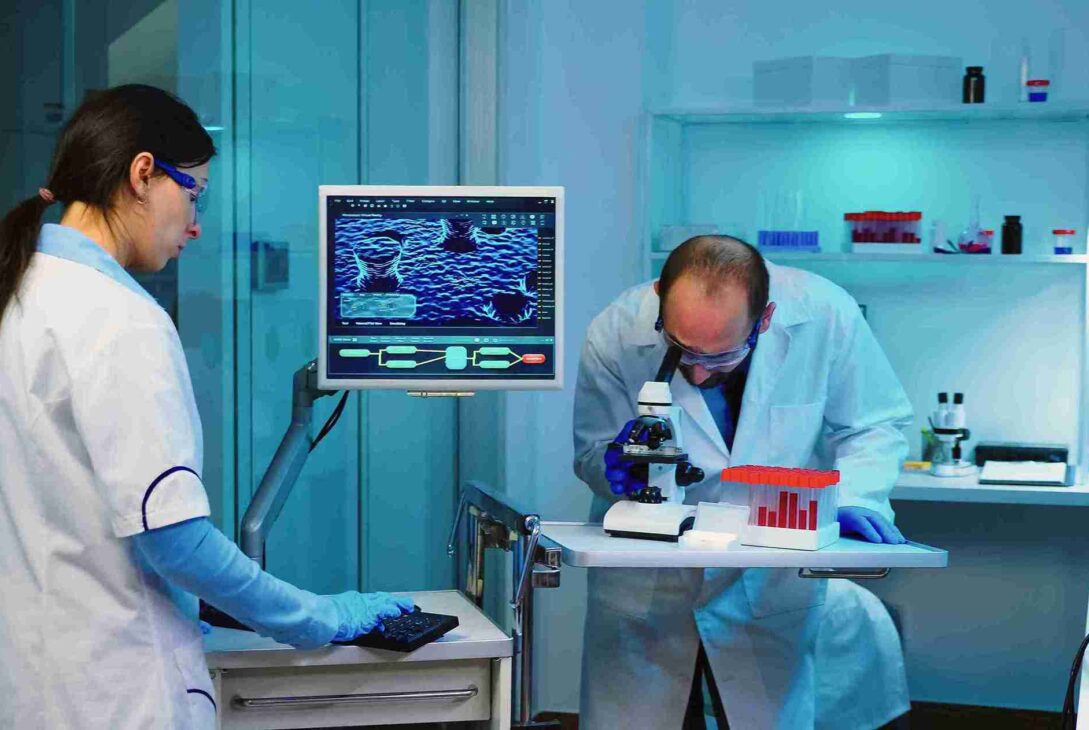
Rare diseases, which affect only a small segment of the population, present many obstacles for researchers and healthcare professionals. Every discovery or regulatory innovation is of profound significance to patients and their families. The landscape of clinical research is rapidly evolving to meet these needs, offering new opportunities for better diagnosis, treatment, and management. As rare disease communities increasingly advocate for more tailored therapies, advancing research is more critical than ever to improve outcomes for these underserved populations.
Recent developments span various areas, from adaptive clinical trial models that maximize limited resources to gene therapies addressing conditions at their genetic roots. Improved partnerships and regulatory flexibility are also driving progress, while technology continues to sharpen the accuracy and reach of diagnostics. As these advancements unfold, they are changing the way patients interact with research and the speed at which new therapies become available. With disease prevalence often measured in only a handful of cases per 100,000 people, traditional study methods face difficulties in recruitment, study design, and statistical strength. Today’s advances are bridging these gaps. Effective collaboration, patient-centric focus, and regulatory support are enabling more nimble responses to rare disease challenges. Below is a detailed look at current trends, key developments, and the promising future of rare disease research.
Adaptive Trial Designs
Traditional randomized clinical trials rarely align with the small, scattered patient populations characteristic of rare diseases. Adaptive trial designs, including platform and basket trials, have become valuable tools for researchers. These flexible approaches allow scientists to test several potential treatments simultaneously and modify protocols based on interim data. This means promising therapies move forward faster while resources and participant involvement are optimized.
Gene Therapy Advancements
Gene therapy is revolutionizing the treatment landscape for monogenic rare diseases. One example is the University of Alabama at Birmingham’s Phase I/II trial for classic Fabry disease, which uses a single intravenous dose to target the underlying genetic abnormality. This breakthrough not only offers hope to patients with Fabry disease but also signals future possibilities for treating other rare genetic conditions. Innovative applications of gene therapies, such as genome editing and viral vector delivery, continue to expand therapeutic options for previously untreatable diseases. More information about this clinical trial is available on UAB News.
Regulatory Evolutions
The regulatory environment has become more adaptable to the needs of the rare disease community. The U.S. Food and Drug Administration introduced the Rare Disease Evidence Principles (RDEP), designed to offer clear, pragmatic solutions for demonstrating the effectiveness of therapies with limited patient data. By offering more tailored guidance, the FDA aims to reduce barriers to approval while encouraging innovation in drug development. These regulatory advances are opening doors to treatments that might otherwise have been delayed or dismissed due to study size limitations. For further details, see the FDA’s official announcement.
Collaborative Partnerships
Rare disease research thrives on collaboration. Universities, biotechnology startups, advocacy organizations, and regulatory agencies are increasingly collaborating to accelerate the path from discovery to the bedside. In Atlanta, for example, Rare Disease Research and myTomorrows have partnered to streamline connections between physicians, patients, and clinical trials. This model fosters greater inclusivity, more comprehensive data collection, and quicker adoption of successful approaches in diverse populations. These partnerships often provide crucial infrastructure and expertise for rare disease trials. More partnership models can be explored in this GPB news feature.
Technological Innovations
Technology is rapidly advancing the speed and accuracy of rare disease diagnostics. At the Children’s Hospital of Philadelphia, an RNA sequencing tool was developed to uncover disease-causing variants often missed by traditional DNA-based tests. This innovation ensures more patients receive a specific diagnosis and get appropriate interventions sooner. Precision diagnostics also contribute to more targeted trial design and real-world effectiveness.
Patient-Centric Approaches
Patients and their advocacy groups are now integral partners in every stage of research, from study design to post-approval surveillance. This patient-first mindset shifts priorities toward outcomes that matter most to those living with rare conditions, including quality of life, daily functioning, and long-term safety, rather than relying solely on traditional clinical metrics. By incorporating patient perspectives early in the research process, investigators can design studies that are more accessible, relevant, and responsive to real-world challenges. Patient involvement also helps identify unmet needs, improve recruitment and retention, and ensure that research questions reflect the experiences of those directly affected. Involving the patient voice ensures research remains sensitive to real-world needs and that trials ask meaningful questions, ultimately improving participation rates, strengthening trust in the research process, and enhancing the value and applicability of study findings.
Challenges and Future Directions
Challenges persist despite these significant advancements. Small and dispersed patient populations, high per-study costs, and complex regulatory and logistical barriers hinder rare disease research. Addressing these issues requires continued collaboration between countries, the strategic use of big data and artificial intelligence, and the expansion of personalized medicine strategies. Ongoing investment and innovation will be necessary to expand access and accelerate development timelines for critical therapies.
Conclusion
In summary, the clinical research landscape for rare diseases is undergoing a transformative era. Adaptive trial designs, genetic innovations, regulatory updates, collaborative partnerships, technological progress, and patient-centered approaches are reshaping how treatments are discovered, tested, and delivered. These advancements are helping researchers overcome long-standing challenges such as small patient populations, limited data availability, and delayed diagnosis. As a result, clinical trials are becoming more flexible, efficient, and inclusive, offering renewed hope for patients and families affected by rare conditions. Continued investment in research, along with stronger global cooperation, is essential to sustain this momentum and accelerate the development of safe and effective therapies. Ultimately, these combined efforts are paving the way toward more personalized, precise, and accessible healthcare solutions for rare disease communities worldwide.