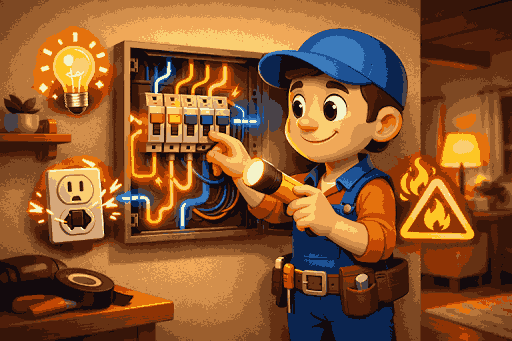
Electrical issues can catch homeowners off guard, turning everyday conveniences into sources of frustration. Timely identification and resolution are crucial not only for comfort but also for the ongoing safety of your household. Understanding basic troubleshooting steps can prevent hazards and extended downtimes. If you lack experience or face recurring problems, consider reaching out to local experts, such as those at electrical repair kansas city to ensure your home’s electrical system is in expert hands. A proactive approach can help you avoid accidents, reduce repair costs, and keep your appliances working efficiently. Even small issues left unattended may develop into major safety concerns or cause greater inconvenience. Many electrical complications, from tripped breakers to dimming lights, are manageable with some basic know-how, but there are definite limits when personal safety is concerned. Learning to recognize early warning signs is essential for every homeowner.
Frequent Circuit Breaker Trips
Repeatedly tripping breakers usually point to overloaded circuits or underlying short circuits. A simple first step is to unplug some appliances or devices from the affected area and see if the circuit resets successfully. The next stage involves resetting the breaker by firmly switching it off and back on. Should the issue persist, consult a licensed electrician who can inspect your wiring and hunt for faulty devices before more serious damage occurs.
Flickering or Dimming Lights
Intermittently dimming or flickering lights are often caused by loose electrical connections, overloaded circuits, or even minor voltage fluctuations. Check the affected bulbs to confirm they are properly installed and functioning. If the flickering happens only when larger appliances are running, it may indicate the need to adjust the circuit load. When basic troubleshooting does not resolve the problem, have an expert assess your wiring and electrical panel to maintain safety and prevent damage.
Dead Outlets
Outlets that suddenly stop working can cause considerable inconvenience. The problem might stem from a tripped Ground Fault Circuit Interrupter (GFCI) outlet, a blown breaker, or loose wiring. Start by locating and pressing the reset button on any nearby GFCI outlets. Check your breaker panel for any switches that are out of line and reset as needed. If outlets remain dead, avoid further DIY fixes and contact a professional for a thorough assessment.
You can also read about Affordable Window Treatments for Every Room.
Burning Smell or Scorched Outlets
Detection of a burning odor or visual signs, such as discoloration around an outlet, signals serious trouble. This often results from overheated or poorly connected wiring. Immediately shut off power to the area from your circuit breaker and refrain from using the outlet or switch. Promptly call an electrician to mitigate fire risks and prevent potential property damage.
Buzzing Sounds from Outlets or Switches
A faint or persistent buzzing from outlets or switches is never normal. This sound can result from loose wires or defective devices within the walls. Turn off the power to the problem circuit and avoid DIY repairs, as this type of issue poses a significant risk of electrical shock or fire. Consult a licensed electrician for troubleshooting and repairs to ensure a safe solution.
Overloaded Circuits
Homeowners often inadvertently overload circuits by connecting too many devices, which places the wiring and electrical panel under excessive strain. Spread your electrical devices across multiple circuits to minimize load on any one breaker. Consider using power strips with built-in circuit protection. If you find your family’s power needs are greater than what your electrical panel can handle, it may be time for an upgrade. The Consumer Reports generator safety tips offer further guidance on preventing circuit overloads and understanding panel capacity.
Outdated Wiring
Older homes often have wiring that does not meet current electrical safety standards, increasing your property’s risk of electrical fires. Signs of outdated wiring include persistent breaker trips, visible wear on outlet covers, and sporadic power loss in sections of the home. Schedule a professional inspection if you notice these symptoms. Rewiring may be necessary for your home’s safety, compliance, and energy efficiency.
High Energy Bills Due to ‘Dirty Electricity’
‘Dirty electricity’ describes electrical noise or disturbances from voltage spikes and harmonics, sometimes generated by modern devices or flaws in the utility company’s infrastructure. This electrical interference can drive up your energy bills and shorten the lifespan of appliances. Homeowners can mitigate these effects by installing whole-home surge protectors, using dedicated circuits for sensitive equipment, and working with an electrician to evaluate their home’s power quality. For more details on how electrical noise affects your bills and appliances, refer to Kiplinger’s guide tohidden electric costs.
Conclusion
Staying vigilant and addressing electrical problems promptly helps minimize inconvenience and prevent hazards such as fires or equipment failure. Basic troubleshooting may fix minor issues, but complex or persistent problems require the expertise of a qualified electrician. Regular maintenance and professional inspections remain the best way to ensure a safe and efficient home electrical system.