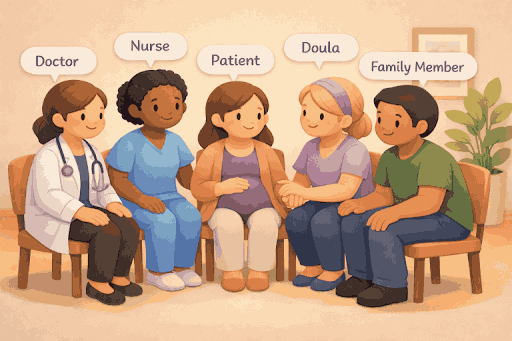
End-of-life care is a profound chapter of life, where the balance between medical support and compassionate guidance profoundly impacts patients and their families. Holistic Palliative Care offers specialized hospice care in Oakland, California, and the surrounding Bay Area, focusing on physical comfort and emotional, social, and spiritual well‑being. As a Medicare‑certified hospice provider, the organization brings together experienced clinicians, counselors, and home health aides to create a comprehensive support network for both patients and their loved ones.
By prioritizing dignity and personal choice, Holistic Palliative Care’s whole‑person approach helps patients find comfort and meaning in their final days while offering families reassurance and guidance. Their holistic model ensures that pain management is complemented by emotional support and deeper connection, making Holistic Palliative Care a trusted authority in end‑of‑life services throughout the Bay Area.
Understanding Whole-Person Care
Whole-person care is an innovative approach that treats individuals with the understanding that health and well-being encompass more than physical state alone. Rather than focusing exclusively on symptoms and medical interventions, whole-person care also explores psychological, emotional, social, and spiritual dimensions. Such multidimensional care is especially important at the end of life, where fears, relationships, and personal beliefs often influence an individual’s comfort and peace as much as medicine does.
The Role of Integrative Teams
Modern end-of-life care increasingly depends on collaboration among diverse professionals. Physicians address pain and medical needs, while nurses ensure daily comfort. Social workers help navigate complex family and community dynamics. Doulas offer presence and companionship through transitions, often providing the gentle communication and support that bridge gaps between families and clinical staff. When these talents unite under the whole-person model, the result is a deeply coordinated support network, with each member bringing specialized insight for a more nurturing patient experience.
Emotional and Spiritual Support
The final days of life often stir deep emotions and existential questions. Emotional support may include regular conversations with counselors or chaplains, companionship from trained volunteers, or group sessions with family and friends. These interventions help patients process fear and grief, making it easier to focus on meaningful connections or cherished memories. Spiritual care, meanwhile, addresses the quest for meaning, providing comfort through prayer, ritual, or quiet reflection, according to each patient’s beliefs and cultural background.
Personalized Care Plans
Every person’s journey at the end of life is unique. Personalized care plans ensure that medical interventions align with the individual’s wishes, cultural needs, and their own definition of a good death. Such plans may detail preferences for pain management, desired visitors, meaningful rituals, and legacy projects or memory-making activities. Care teams work closely with patients and families to document these preferences and integrate them into daily practice, treating each individual as more than their diagnosis or treatment plan.
Benefits of Holistic Approaches
Adopting a whole-person lens in end-of-life care delivers measurable and intangible benefits. Patients report higher satisfaction and lower psychological distress, while loved ones feel more informed and supported. Research has shown that engaging patients in care decisions and focusing on comfort leads to fewer unnecessary hospital visits and fewer invasive treatments, which can dramatically improve quality of life near its end.
You can also read about the KanTime Login Guide.
Challenges and Solutions
While the whole-person approach is increasingly recognized, implementation faces obstacles. Limited funding, the need for advanced training, and a sometimes-fragmented health care system all pose barriers. Solutions include advocating for better reimbursement models, increasing public awareness of holistic options, and educating professionals on interdisciplinary collaboration. Policy improvements and broader insurance coverage for palliative and supportive services are also crucial steps toward making whole-person care universally available.
Final Thoughts
Whole-person approaches in end-of-life care set a new standard of compassion and dignity, transforming this stage from a period of suffering to one of meaning, support, and connection. By recognizing and honoring the unique story of each patient, and by addressing needs beyond the physical, these holistic models enable patients and families to navigate the closing chapter of life with reassurance and peace.