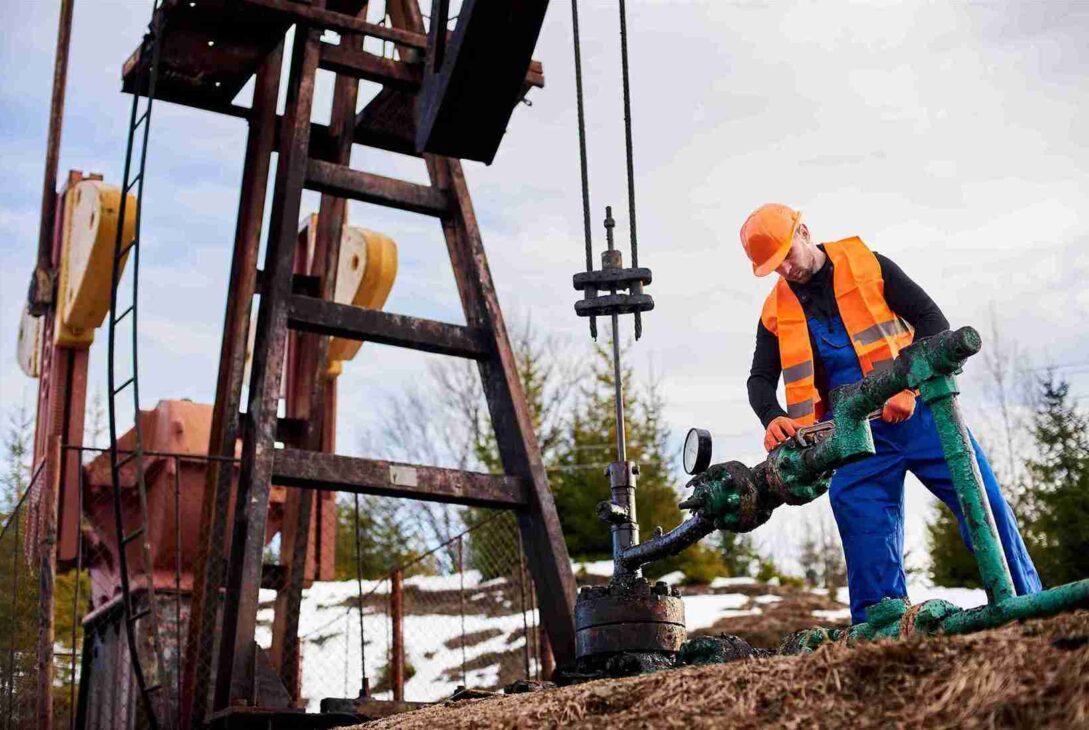
Embarking on a well-drilling project is a significant investment in your property’s water security. Proper planning at each stage not only streamlines the process but also prevents costly mistakes. For those seeking specialized expertise, working with reputable residential well drilling contractors in Pennsylvania is an essential first step. This guide explains each crucial phase of preparation to help ensure a reliable and safe water source for years to come. Your preparation will impact the efficiency, cost, and long-term viability of your well. Careful consideration of site location, regulations, and ongoing maintenance minimizes the risk of water contamination and property issues. Following a detailed process simplifies interactions with contractors and local authorities, benefiting homeowners throughout Pennsylvania and beyond.
Understand Local Regulations
Many states and counties have rigorous standards for residential water wells to protect public health and groundwater resources. Before breaking ground, research local laws that may specify required setbacks from property lines, buildings, and potential contaminants. Contacting your municipal or county health department is typically the fastest way to determine which rules apply locally. The Environmental Protection Agency (EPA) also provides helpful resources for private well owners to understand these requirements better.
Assess Your Water Needs
Accurately projecting your daily and seasonal water usage is vital. A single-family household’s needs depend on the number of residents, indoor use habits, and extras like garden irrigation, swimming pools, or livestock. For homes planning future expansion or new landscaping, build flexibility into your calculations. Detailed water-use assessments will guide decisions on the well’s required capacity and inform equipment selection. Knowing your true requirements also helps contractors design a system that will remain adequate over time.
Choose the Optimal Location
The placement of your well directly affects water quality, yield, and maintenance costs. Ideal sites are situated on higher ground to minimize contamination risks from flooding or runoff. Rules often require that wells be sited far from septic tanks, leach fields, fuel tanks, or livestock operations. Soil and bedrock type must be considered, as geology strongly influences both water quality and available supply. An experienced contractor will evaluate geological surveys and conduct on-site tests to confirm that your chosen spot is suitable.
Obtain Necessary Permits
Most residential wells require multiple permits before drilling begins. Permit applications are usually submitted to local or regional authorities and must include detailed site maps, proof of property ownership, and plans that comply with local codes. Timelines for approval can vary widely, so it is wise to start this process early to prevent construction delays. Agencies may also require water testing or inspection following installation to ensure compliance with state safety standards.
Hire a Qualified Well Driller
Choosing a licensed, experienced contractor is critical to the safety and effectiveness of your well system. Seek out reviews, references, and proof of state licensing or certification. Compare quotes from several contractors to clarify what materials and services each includes. A thorough contract should outline the expected depth, well casing types, pump system, testing procedures, and a clear timeline for completion. Hiring qualified professionals has a long-term impact on the quality and safety of your well water.
You can also add about Essential Safety Practices for Commercial Roof Inspections.
Prepare the Site
Proper preparation reduces risks and streamlines the drilling project. Clear all vegetation, debris, and physical obstacles from the designated drilling area. Ensure adequate access for large truck-mounted drilling equipment, which may require widening driveways or removing fencing. Always mark and communicate the locations of underground utilities, including electrical, gas, and communication lines, to every crew working on-site. This step is essential for safety and compliance with local regulations.
Budget Accordingly
The costs of drilling a new well can vary significantly based on location, depth, geology, and equipment type. Major expenses may include drilling, casing installation, pump systems, water testing, and any necessary water treatment units. Ask contractors to break down each estimate in detail and include a 10 to 20 percent contingency fund for surprises such as rocky soil layers or deeper drilling than anticipated. Careful budgeting also involves factoring in ongoing maintenance expenses to preserve water quality and system integrity.
Plan for Maintenance
Long-term well care prevents health hazards and preserves your investment. Test water quality annually for bacteria, nitrates, and other potential contaminants, using a certified laboratory. Inspect system components, including the pressure tank, pump, and electrical connections, to detect wear and damage early. Failing to perform routine maintenance can jeopardize water safety and lead to costly repairs, so keep detailed maintenance records and follow all guidelines provided by your contractor. Whether you are building a new home or seeking greater self-reliance, taking a structured approach to well drilling is crucial for long-term success. By following these systematic steps, you can secure a high-quality water source and enjoy reliable, safe water on your property for generations.
Conclusion
Planning a well drilling project requires careful attention to regulations, water needs, site selection, permits, contractor selection, budgeting, and long-term maintenance. Each step plays an important role in ensuring that the well is safe, efficient, and capable of meeting your household’s water demands for years to come. Taking the time to research local requirements and properly assess your property helps prevent costly delays and compliance issues. Working with qualified professionals and preparing the site correctly further ensures that the drilling process runs smoothly and safely. Just as important, setting a realistic budget and planning for ongoing maintenance protects your investment and maintains water quality over time. By following a structured, informed approach, homeowners can enjoy a dependable, sustainable water source that supports long-term property value and peace of mind.