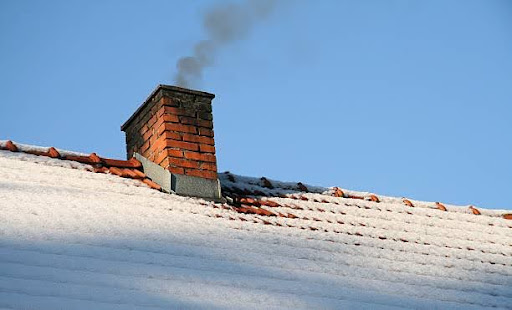
Chimney services not only look good but also they have a direct effect on the value of your home, safety of your family, and functionality of your heating system. A chimney that is in good condition makes sure that harmful products of fuel combustion are removed out of your living room safely and in the process avoiding the accumulation of fatal carbon monoxide and the chances of a chimney fire. It is a shame that the chimneys that are not taken care of often are the cause of domestic fires, smoke-induced accidents, building risk, and costly emergency fixes. Left unattended even the tiniest fault like a loose brick or bird nest can grow to become huge, and expensive issues. It is always important to address problems before they can occur and being updated will make you take action early and prevent bigger problems in future. This will be the ability to act before problems start to emerge as in most cases they tend to emerge when the damage has already been done. One of the most active methods of maintaining chimneys is regular inspection, thus making sure to make regular appointments with specialists at chimney inspection.
Maintenance of chimneys should be done on a regular basis and not only cleaned occasionally. Homeowners tend to underestimate how the season weather, type of fuel and wildlife affect the conditions of chimneys. Such preventive steps as fuel use, installation of protective elements and repairing of wear as quickly as possible can be used to eradicate serious problems. This guide will help you to secure your chimney and your house to prevent the risk of significant harm and fire threats and still leave you with a safe fireplace. The tips offered by experts on how to make the home safe and well-maintained are also included.
Frequent Cleaning and Inspections.
Among the most effective means to avoid disastrous chimney issues, adherence to an annual inspection and cleaning schedule should be mentioned. Soot, creosote, as well as small animals can be deposited in the flue with time creating blockage that hinders the airflow and elevates the risk of fire. According to the National Fire Protection Association, chimneys are to be professionally inspected at least once a year with sweeping as necessary according to the usage. With such checks, professionals are able to identify early warning signs that include hairline cracks, masonry decaying or excessive creosote that can easily grow out of proportions when not managed. An accumulated flammable creosote does not just enhance the chances of developing a chimney fire but may also prevent the proper circulation of air, where the smoke may encroach your living room or serious gases such as carbon monoxide may penetrate your house. Conducting inspections on a regular basis is a minor investment that can pay off in the end as it helps to uncover problems before they get bigger and costlier to address in the future.
Proper Burning Techniques
The use of improper fuel is one of the greatest causes of chimney problems. Unseasoned wood or house rubbish can be burnt causing excess moisture, tars, and chemicals to be released, which can become attached to the lining of your chimney, thus adding to any thick creosote in the chimney. Thousands of house fires are attributed to this sticky and flammable material every year. You instead should only use experienced hard woods like oak or maple; the woods have been dried in six to 12 months so the burn is cleaner and yields more heat with little residual. Utilization of wood that has been properly seasoned also reduces the amount of smoke that is produced thus making your fire experience in your home more efficient and enjoyable. Glossy paper, painted wood, or treated lumber should also not be used as they release toxic byproducts and contribute to the creosote buildup. Proper burning habits keep your chimney safe, will help you heat better and will also enhance the quality of indoor air. People living in their own homes are amazed by the extent to which these minor practices can enhance the safety and comfort of their homes.
Installing a Chimney Cap
The chimney cap fitted is an easy addition that provides strong protection against some of the greatest hazards. Even without a cap, your chimney is susceptible to the intrusion of water, leaves, and wildlife. The rainwater may undermine your mortar, hasten freeze-thaw damage in winter, and support the growth of moulds, and birds and squirrels commonly nest in the flue, and in the process block the flue and result in the smoke getting into your living room. Animals and debris in the chimney cause obstructions that may lead to the diversion of the hazardous gases and smoke into your home, which may cause carbon monoxide poisoning or even a sudden chimney fire. The chimney caps are also used to contain the spark that is coming out of the chimney and may have an effect of catching your roof or the brush around. They are cheap to install and yet offer long term value, which lowers the cost of repair and increases the service life of your chimney system. Periodic inspections are made to be sure that the cap is correctly seated and without rust or holes. The mesh screening with a good chimney cap is what can change the difference between eliminating pests, precipitation, and wind-blown debris and costing you less and causing unnecessary emergencies.
You can also read about Tips for a Smooth Transition After Selling Your Home.
Resolving Small Problems as they arise
The timely intervention is the key to prevent huge spending. Small chips or cracks in masonry can allow moisture into the masonry and thus cause it to deteriorate very quickly, particularly during freezing and thawing processes. What begins as a cosmetic problem, e.g. a crack in the hairline or a missing mortar can develop further and become a wide-spanning structural damage when neglected. Likewise, there is a build-up of small creosote amounts that enhance the temperature of flue and predispose a stray spark to start a fire. With professional sweeps, small concerns are easily dealt with at the time of normal service visits, and many problems are easily identified by them. In case you notice any strange smells, visible damages or problems with the damper, waste no time. Quick response would help avert small problems to either structural or fire hazards, which would save you some money and ensure the reliability of your chimney. Small repairs that are made as they occur also make the fireplace system safer and more reliable.
Conclusion
The most effective way of preventing chimney disasters is by taking preventive measures. You protect your house and your loved ones by making the extra effort and time to schedule yearly inspections, burn well, set up a strong chimney cap and fix things immediately. With these measures, you will be enjoying the warmth of your fireplace in years to come; safe and secure. A small routine maintenance in the long run will save you a lot of money, will save you the risks that are completely unwarranted, and will provide you with peace of mind every time you open your fireplace.