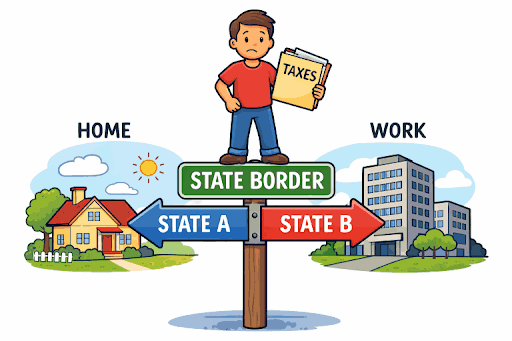
With more people living in one state and earning income in another, understanding the rules around filing state taxes in two states is increasingly important. Every state has its own tax laws, residency rules, and possible credits for taxes paid elsewhere, which can make tax season especially confusing for those with cross-border lives. If you own a home in one state but commute for work to a neighboring state, or if you have recently switched to remote work with an out-of-state employer, your tax obligations may span two or more states. Even temporary moves or multi-state employment can change your tax requirements, and failing to file correctly can result in overlooked credits or penalties. This article walks through the main areas of concern for people navigating multi-state taxation, from understanding your residency status to taking advantage of credits and avoiding costly mistakes. Mastering these basics will help you file accurately and confidently each year.
Understanding Residency Status
Your residency status is essential in determining your tax liability in any state. Most people are considered residents of the state where they have their main home, spend most of their time, and keep significant ties. If you earn income in another state, even if it is not your primary residence, you often become a nonresident taxpayer in that state. This means you will likely need to file a nonresident or part-year resident return to report income earned there. States may use different criteria to judge residency, such as where your family lives, where your driver’s license is issued, or where your children attend school. In cases of lengthy moves or extended work assignments, you could end up with filing requirements in multiple states in a single year. Careful tracking of your time and ties in each location will make your filings much smoother.
Reciprocal Agreements Between States
Many neighboring states have adopted reciprocal tax agreements to simplify income tax filing for residents who work across state lines. These agreements mean you only need to pay tax on your wages in your state of residence, rather than in the state where you work. This avoids the need to file two separate returns and can simplify your payroll considerations. Common reciprocal agreements include those between states such as Indiana and Illinois or Maryland and Pennsylvania. It’s important to file the correct exemption paperwork with your employer if you qualify under one of these agreements; otherwise, you may find yourself with unwanted withholdings and refund delays. A full listing of current agreements can be found through resources such as Kiplinger’s guide to multi-state tax rules.
Preventing Double Taxation
Without a reciprocal agreement, you’ll often pay tax to the state where you worked. However, most resident states provide credits for taxes paid to another state, ensuring you do not pay tax on the same income twice. To get this credit, you need to properly file both a nonresident return (in the state where you worked) and a resident return (in your own state), claiming the credit for taxes paid elsewhere.
The amount of the credit and the process for claiming it differ by state. Some states offer dollar-for-dollar credits, while others have additional rules about which types of income qualify. Filing in the correct order – usually the nonresident return before the resident return – allows accurate calculation of your credits and avoids processing errors.
Special Considerations for Remote Workers
Remote work arrangements have created new tax complexities. Some states use the “convenience of the employer” rule for remote jobs, meaning if you work remotely in another state primarily for your own convenience (and not because the job requires it), your income could be taxed according to your employer’s location. States like New York are known for enforcing these rules.
If you are working remotely, evaluate whether your home and your employer’s state have different rules or require careful planning to avoid unwanted double taxation. Keeping clear documentation of where and why you performed your work will help resolve disputes with tax authorities.
You can also read about Real Estate Trends Are Shaping Selling Decisions.
Steps to File Taxes in Multiple States
- Determine Residency Status: Pinpoint which states consider you a resident, part-year resident, or nonresident based on your living and working arrangements.
- Check for Reciprocal Agreements: Find out if your state has any labor agreements that could exempt you from filing a return in your work state.
- File Nonresident Returns: Submit a nonresident return in the state where you worked, reporting only the income earned there.
- File Resident Returns: Report all income on your resident state return and claim any available credit for taxes paid to other states.
- Consult Professionals: When in doubt, reach out to tax professionals or state tax offices to ensure proper compliance and understanding of shifting regulations.
Conclusion
Handling taxes when living or working in multiple states can feel overwhelming, but staying organized is key. By knowing your residency status, leveraging any reciprocal agreements, and properly claiming credits for taxes paid elsewhere, you can avoid double taxation and unnecessary penalties. If you are unsure or your situation changes, seek advice early to ensure your filings meet both state and federal requirements and to maximize your tax savings.