Dropshipping has transformed the way online businesses operate by removing traditional barriers such as inventory management, warehousing, and upfront capital investment. In today’s fast-paced digital economy, dropshipping offers retailers and suppliers a flexible and scalable model to enter or expand within e-commerce. By connecting sellers directly with suppliers who handle fulfillment, dropshipping allows businesses to focus on marketing, branding, and customer experience rather than logistics.
Understanding the Dropshipping Business Model
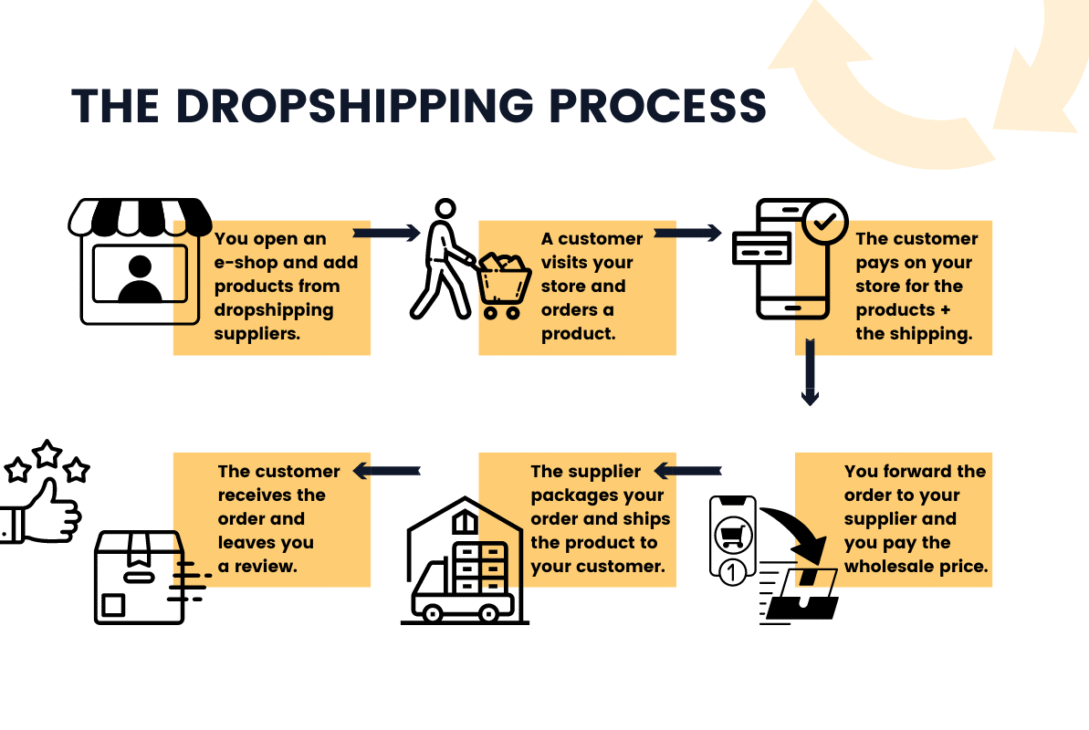
At its core, dropshipping is a retail fulfillment method where a store does not keep the products it sells in stock. Instead, when a retailer receives an order, it purchases the item from a third-party supplier who ships it directly to the customer. This model has gained popularity among Dropshippers because it minimizes financial risk while offering access to a wide range of products across multiple niches.
Unlike traditional retail, dropshipping does not require bulk purchasing or storage space. Retailers can test new products, respond quickly to market trends, and scale operations with fewer operational constraints. This makes dropshipping particularly attractive to startups, small businesses, and established online sellers seeking diversification.
Benefits of Dropshipping for Online Retailers
One of the most significant advantages of dropshipping is its low barrier to entry. Retailers can launch an online store with minimal capital since there is no need to invest in inventory upfront. This allows entrepreneurs to allocate resources toward website development, digital marketing, and customer acquisition.
Dropshipping also provides exceptional flexibility. Retailers can operate from anywhere with an internet connection, manage multiple stores, and offer thousands of products without physical limitations. For e-commerce retailers looking to expand their online presence, dropshipping enables rapid scaling without the operational complexity of traditional supply chains.
Another key benefit is reduced risk. Since products are purchased only after a customer places an order, retailers avoid the common problem of unsold stock. This model supports experimentation, making it easier to refine product offerings based on real-time demand and consumer behavior.
You can also read about Wood Supply as the Foundation of Construction and Craftsmanship.
Opportunities for Suppliers in the Dropshipping Ecosystem
Dropshipping is not only beneficial for retailers but also for suppliers and manufacturers. By partnering with dropshipping platforms, suppliers gain access to a vast network of online retailers without the need to manage individual sales channels. This increases product exposure and sales volume while streamlining distribution.
Suppliers benefit from predictable order flows and reduced marketing costs, as retailers handle customer acquisition and promotion. For U.S.-based suppliers, dropshipping platforms provide an efficient way to reach international markets while maintaining control over inventory and fulfillment standards.
The Role of Dropshipping Platforms in E-Commerce Growth
Dropshipping platforms act as the bridge between retailers and suppliers, offering tools that simplify product sourcing, order management, and fulfillment. A reliable platform ensures accurate inventory data, fast shipping, and seamless communication between all parties involved.
TopDawg is a well-known dropshipping platform in the United States that connects retailers with vetted suppliers across diverse product categories. By using platforms like topdawg.com, retailers gain access to quality products, automated order processing, and integrations with popular e-commerce systems. This reduces operational friction and allows businesses to scale efficiently.
Integrating Dropshipping with E-Commerce Platforms
Successful dropshipping relies heavily on smooth integration with e-commerce platforms such as Shopify, WooCommerce, BigCommerce, and others. Integration enables automatic product listing, real-time inventory updates, and order synchronization, which are critical for maintaining accuracy and customer satisfaction.
Dropshipping platforms that offer native integrations empower retailers to manage their entire business from a single dashboard. This not only saves time but also minimizes errors associated with manual data entry. For e-commerce retailers focused on growth, seamless integration is essential to handling increased order volumes without compromising service quality.
Ease of Operations and Product Variety
One of the defining strengths of dropshipping is its operational simplicity. Retailers are not burdened with packing, shipping, or inventory tracking, allowing them to focus on strategic aspects such as branding, content creation, and customer engagement. This ease of operation is particularly valuable for new entrants to e-commerce who may lack logistical experience.
Additionally, dropshipping offers unparalleled product variety. Retailers can curate extensive catalogs across multiple niches, from electronics and home goods to fashion and lifestyle products. Platforms like topdawg.com enable sellers to diversify their offerings quickly, catering to changing consumer preferences and seasonal trends without financial strain.
Dropshipping as a Scalable Business Model
Scalability is a major reason why dropshipping continues to grow in popularity. Traditional retail models often struggle with scaling due to inventory constraints and rising overhead costs. In contrast, dropshipping allows businesses to increase sales volume without proportionally increasing operational expenses.
As order volumes grow, the supplier handles fulfillment, enabling retailers to scale marketing efforts and expand into new markets. This makes dropshipping an ideal model for e-commerce retailers aiming for long-term growth and global reach.
You can also read about MPS Engineering & Construction.
Challenges and Best Practices in Dropshipping
While dropshipping offers many advantages, it also comes with challenges such as supplier reliability, shipping times, and quality control. Choosing reputable platforms and suppliers is crucial to maintaining customer trust and brand reputation.
Best practices include transparent communication with customers, realistic delivery timelines, and consistent monitoring of supplier performance. Retailers who prioritize customer experience and partner with established platforms like TopDawg are better positioned to overcome these challenges and build sustainable businesses.
The Future of Dropshipping in E-Commerce
The future of dropshipping looks promising as e-commerce continues to expand worldwide. Advances in automation, data analytics, and platform integrations are making dropshipping more efficient and competitive. Consumers increasingly value convenience and product variety, both of which are core strengths of the dropshipping model.
For retailers and suppliers seeking to expand their online presence, dropshipping offers a practical and forward-looking solution. By leveraging trusted platforms such as topdawg.com, businesses can tap into a dynamic ecosystem that supports growth, innovation, and global connectivity.
Conclusion
Dropshipping has emerged as a powerful and accessible business model for modern e-commerce, offering retailers and suppliers a practical way to grow without the limitations of traditional retail. Its low startup costs, operational ease, and ability to offer a wide variety of products make it an attractive option for businesses at every stage. For Dropshippers looking to scale efficiently and suppliers aiming to expand market reach, dropshipping creates a mutually beneficial ecosystem driven by technology and collaboration. By leveraging reliable platforms such as topdawg.com, e-commerce businesses can streamline operations, integrate seamlessly with online stores, and focus on delivering value to customers. As digital commerce continues to evolve, dropshipping stands out as a sustainable and scalable path toward long-term online success.