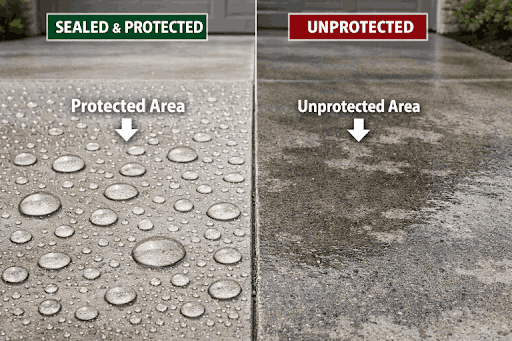
Concrete, though renowned for its strength, is not impervious to the elements. Over time, exposure to moisture, stains, and heavy use can lead to surface damage and a diminished appearance. That is why selecting the correct sealer is critical for ensuring the durability and enhancing the visual appeal of your concrete surfaces. For those looking for professional solutions, commercial and residential concrete sealing in Utah can offer tailored services for both outdoor and indoor installations.
A high-quality sealer acts as a protective barrier, minimizing water infiltration, staining, and deterioration due to traffic or harsh weather. Not all sealers are created equal, so understanding their differences and making an informed choice will help preserve your investment and avoid costly repairs or premature replacement.
Types of Concrete Sealers
Concrete sealers are generally divided into two broad categories. Each type is suited to specific situations and offers unique benefits in terms of protection, longevity, and appearance.
Penetrating Sealers
Penetrating sealers are designed to soak into the concrete and react chemically within the substrate. This process creates a protective shield that blocks out moisture and contaminants while allowing the surface to remain breathable. These sealers are typically best for outdoor surfaces exposed to rain, snow, or freeze-thaw cycles, making them a popular option for driveways and sidewalks.
Topical Sealers
Topical sealers, also called film-forming sealers, form a layer on the concrete surface. Options include acrylics, epoxies, and urethanes. Acrylic sealers are valued for their ease of application and affordable price point, but they usually require reapplication every 1 to 3 years. Epoxies and urethanes provide a more durable finish that can last up to a decade with proper care. These sealers are often chosen for decorative concrete, patios, or interior floors where color enhancement and gloss are priorities.
Factors Affecting Sealer Longevity
Several factors influence how long your concrete sealer will protect and enhance your surfaces:
- Environmental Conditions: Constant exposure to UV rays, cycles of freezing and thawing, and persistent moisture can quickly wear down sealer protection. Sealing in areas with extreme weather requires more attention to reapplication intervals.
- Traffic and Usage: Surfaces exposed to heavy foot traffic or vehicle use will generally need sealer touch-ups more frequently. Entranceways, garage floors, and driveways exemplify this higher wear issue.
- Quality of Application: The effectiveness of a sealer stems just as much from preparation and technique as from the product itself. Poorly applied sealer or application in unsuitable weather conditions may shorten the expected protection period.
Application Tips for Optimal Results
Achieving the full benefits of your chosen sealer depends on careful application. Here are several essential steps:
- Surface Preparation: Begin by thoroughly cleaning your concrete. Remove all dirt, grease, stains, and any remnants of old sealer. Leftover debris can hinder adhesion and cause bubbling or peeling.
- Choose the Right Sealer: Consider the location, intended use, and whether aesthetics or durability is your priority. Match the sealer to your project’s needs and local climate.
- Follow Manufacturer Instructions: Each sealer brand provides specific guidance on application methods, coverage rates, and ideal temperature and humidity conditions. Strictly adhering to recommendations prevents common issues such as improper curing or an uneven finish.
You can also read about Queen Bed Dimensions.
Maintenance Practices to Extend Sealer Life
Routine maintenance is crucial for maximizing the lifespan of your concrete sealer:
- Routine Cleaning: Regular sweeping and gentle water washing remove dirt and reduce abrasive wear. Avoid harsh chemicals unless necessary, as some can damage sealers.
- Prompt Spill Cleanup: Oil, grease, and chemical spills should be cleaned up promptly to prevent staining and deterioration. Spills left too long may penetrate even the best sealers.
- Periodic Inspections: Evaluate the surface for signs of wear, peeling, or uneven gloss. Early detection allows for spot repairs and reapplication before more significant issues develop.
Signs It’s Time to Reapply Sealer
Several clear signs suggest your concrete sealer is nearing the end of its effective life:
- Water Absorption: When water stops beading and begins to soak in, your concrete has lost much of its protection. This is often the most visible indicator it is time for a new coat.
- Visible Wear: Noticeable fading, discoloration, or flaking of the sealer layer shows it is breaking down. Reapplication is needed to restore protection and appearance.
- Increased Staining: If routine cleaning no longer lifts stains, or residues seem to penetrate more easily, it often means the sealer has degraded and is no longer providing an effective barrier.
Final Thoughts
Careful selection and application of a concrete sealer, combined with regular maintenance, are vital steps in protecting your concrete and extending its lifespan. By understanding different sealer types and considering environmental and usage factors, you can enjoy strong, attractive concrete surfaces for years. Stay vigilant for early signs of wear and always follow the best preparation and maintenance practices to get the most from your investment.