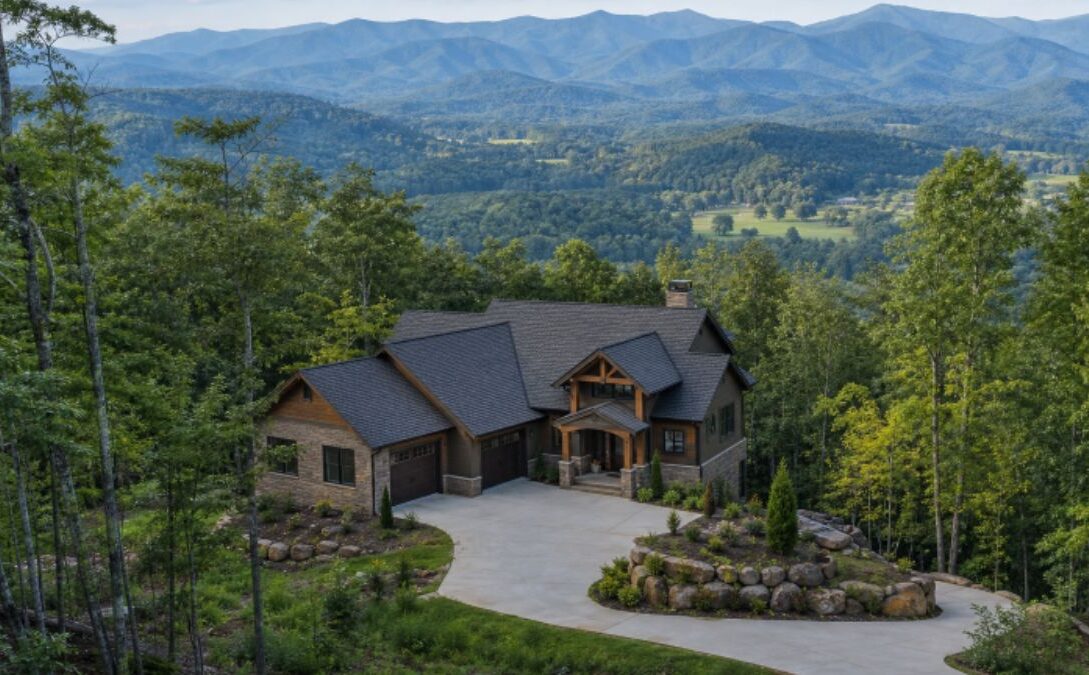
Buying a mountain home in North Georgia can mean waking up to long-range views, wooded privacy, and easy access to outdoor recreation. It can also mean taking on property details that are easy to miss during a short showing, including steep driveways, private utilities, shared roads, and weather-related upkeep.
When comparing locations and available properties, Blue Ridge homes for sale from Christy Reece are a helpful starting point. The page includes current Blue Ridge listings, market information, and neighborhood resources, while Christy Reece’s focus on Blue Ridge and nearby communities such as Mineral Bluff, Morganton, and Cherry Log can help buyers ask more informed local questions. Every property still deserves independent verification before an offer is made.
Why Mountain Homes Need Extra Due Diligence
Mountain homes are shaped by their terrain. A sloped lot can influence parking, drainage, foundation design, tree work, and the cost of future construction. Remote settings may also make service calls more expensive or slower to schedule. A cabin that looks ideal in listing photos may have limited turning space, seasonal access concerns, or systems that require specialized maintenance.
Views and privacy are real benefits, but buyers should assess the property’s practical aspects with equal care. The goal is to find a home that is enjoyable in every season, not only on a sunny weekend.
Evaluate the Location Beyond the Mailing Address
Measure actual travel time to groceries, medical care, schools, work, fuel, and the places you expect to visit often. Drive the route on a weekday and again during a busy weekend. Listen for road noise, note nearby construction, and consider whether seasonal visitors may change traffic patterns.
Also, think about how the location suits your intended use. A full-time residence may need a shorter drive to services, while a vacation home may prioritize privacy or proximity to trails, Lake Blue Ridge, and downtown amenities. If rental income is part of the plan, convenience and reliable access matter to guests as much as scenery.
Check Roads, Driveways, and Emergency Access
Ask whether the road is public, private, shared, or maintained by a homeowners’ association. If it is private, obtain documents explaining who pays for grading, gravel, culvert repairs, tree clearing, and storm damage. A vague answer about road maintenance can become an expensive issue after closing.
- Drive the full route to the property, preferably after rain.
- Check driveway slope, width, surface condition, drainage, and visibility.
- Confirm that contractors, delivery vehicles, moving trucks, and emergency vehicles can reasonably access the home.
- Look for easements or shared-driveway agreements in the title documents.
Review Water, Septic, and Drainage
Water and Septic
Find out whether the home uses public water or a private well. For a well, request available water-quality tests, flow information, equipment age, and service records. For septic systems, locate the tank and drain field, review pumping records, and ensure the home’s bedroom count matches the system’s approved capacity. The Georgia Department of Public Health’s onsite sewage resources can help buyers understand septic system oversight and homeowner considerations.
Drainage and Runoff
Look for standing water, erosion channels, exposed roots, damaged retaining walls, soft ground, and clogged culverts. Ask where water goes during heavy rain and whether runoff has ever reached the crawl space, foundation, driveway, or septic area. Drainage problems can be manageable, but they should be understood and priced before closing.
Research Insurance and Weather Risk
Request insurance quotes early in the due diligence period, not after major contingencies have expired. Insurers may consider roof age, wildfire exposure, road access, prior claims, heating systems, vacancy, and whether the home will be rented. Ask if flood, wind, vacant-home, or short-term rental coverage is needed.
Do not rely only on seller statements about flooding. Use the FEMA Flood Map Service Center to review mapped flood hazards, then discuss the findings with an insurance professional and, when appropriate, a local surveyor or engineer.
Inspect for Mountain-Property Wear
Hire a licensed general inspector and follow up with specialists when the report identifies concerns. Mountain cabins often need closer attention to exterior materials and moisture control.
- Roofing, flashing, gutters, chimneys, and fireplace components
- Decks, stairs, railings, footings, and exterior supports
- Crawl spaces, foundations, retaining walls, and signs of movement
- Wood rot, pest activity, mold, insulation, and weather sealing
- Heating, cooling, plumbing pressure, and electrical capacity
Confirm Utilities and Connectivity
Test the internet service at the property rather than relying on a provider’s coverage map. Check cell reception with the carriers you use, and ask about propane delivery, generator capacity, backup power, trash pickup, mail delivery, and the location of utility lines. Weak connectivity can affect remote work, security systems, guest communication, and daily convenience.
Verify Rental and Renovation Rules
Never assume a property can be used as a short-term rental because nearby cabins are advertised that way. Confirm county and city requirements, occupancy limits, parking rules, lodging taxes, and any homeowners association restrictions. Also, verify that decks, finished rooms, hot tubs, additions, and detached structures were permitted when required.
Plan for Full Ownership Costs
Your mortgage payment is only one part of the annual budget. Build low, expected, and high estimates that include property taxes, insurance, utilities, internet, road fees, driveway upkeep, tree work, pest control, well and septic service, HOA dues, cleaning or property management, and an emergency repair reserve.
Questions Before an Offer and Closing
- Who maintains the road and driveway, and what does that cost?
- Has the home had water intrusion, drainage issues, or foundation repairs?
- What are the ages and service histories of the roof, HVAC, well, and septic system?
- Are rental use, additions, and existing improvements properly approved?
- Are there easements, boundary concerns, shared roads, or restrictive covenants?
- What repairs should be completed before closing, and are receipts available?
Final Checklist Before Closing
Before removing contingencies, complete inspections, review title and survey documents, confirm insurance availability, verify utility details, and revisit the property at different times of day. The right North Georgia mountain home should offer more than a memorable view. It should provide safe access, dependable systems, clear property rights, and costs that fit comfortably within your long-term plans.