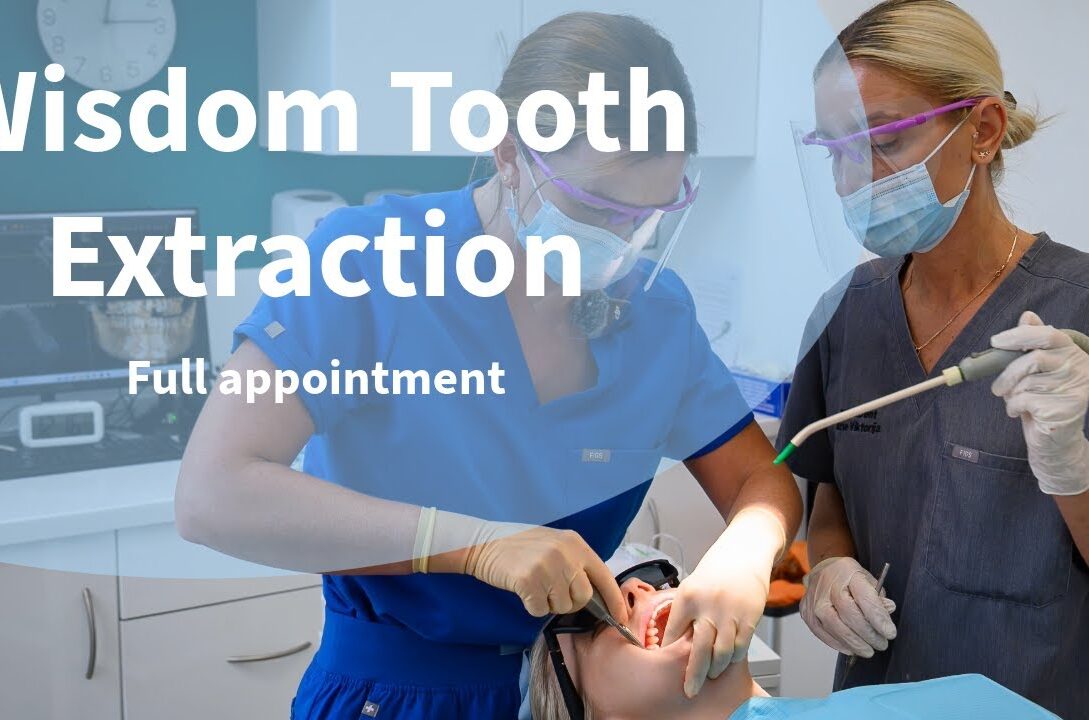
You are sitting in the dentist’s chair. They snap an X-ray, study it for a moment, then say the words so many people hear in their late teens or twenties. “Your wisdom teeth need to come out.”
Your stomach drops. Suddenly your mind fills with questions. Will it hurt? How much will it cost? How long until I can eat normally again? And that scary word a friend mentioned, dry socket- what even is that?
Take a breath. You are in good company. Wisdom teeth removal is one of the most common oral surgeries there is, and millions go through it every year with smooth recoveries.
Here is a fact that surprises many people, though. Not everyone actually needs their wisdom teeth taken out. Some can stay right where they are. We will get into that, because it might change your whole plan.
This guide walks you through everything in plain language. What the procedure involves, how recovery really feels, what it costs, and how to heal fast. By the end, that dentist’s chair will feel a lot less scary. Let’s get into it.
Summary
By the end of this guide, you will understand wisdom teeth removal from start to finish, with zero confusion.
First, you will learn what wisdom teeth are and why they so often need to go. It usually comes down to one simple problem: space.
Next, you will get an honest answer to a question few articles ask. Do you truly need them removed? Sometimes the answer is no.
You will then walk through the actual procedure, step by step, so nothing catches you off guard on surgery day. You will also compare your anesthesia choices, with real pros and cons.
Recovery gets full coverage too. You will see the healing timeline and exactly how to avoid the dreaded dry socket.
Money matters, so you will get honest cost ranges and what drives the price up or down.
Finally, you will leave knowing your next smart step. This is general information, not dental advice, so always talk to a professional about your own mouth. Read on, and feel prepared, not panicked.
You can also read about How Long Does Botox Last?.
What Are Wisdom Teeth and Why Remove Them?
Let’s start with the basics. Wisdom teeth are your third set of molars. They sit at the very back of your mouth and are the last teeth to come in, usually between ages 17 and 25.
Most people have four of them. The trouble is simple. Many mouths do not have enough room for these extra teeth. When there is no space, the teeth can get stuck under the gum or bone, or push in at odd angles. This is called impaction.
Impacted or crowded wisdom teeth can cause real problems. Think pain, swelling, infection, tooth decay, damage to nearby teeth, and even cysts in the jaw. Removing them clears out these risks before they grow into bigger issues.
Here is a curious point most people never question. If wisdom teeth are so troublesome, does everyone need them out? Not exactly.
Do You Actually Need Them Removed?
This is the section almost no one talks about, and it matters. The truth is, not every wisdom tooth has to come out.
If your wisdom teeth come in straight, healthy, and with enough room, they can often stay. In these cases, they work just like any other molar. Some people keep all four for life with no trouble at all.
In fact, there is real debate in the field. Groups like the American Public Health Association have questioned the routine removal of healthy, symptom-free wisdom teeth. Meanwhile, oral surgeon groups often support removal when there are risks or signs of future problems.
So here is my honest, evidence-based opinion. Do not assume automatic removal. Get a proper evaluation with X-rays first. If your teeth are healthy and well-placed, you may not need surgery at all. If they are impacted or causing trouble, removal is usually the smart call. The key is a real assessment, not a guess.
What Happens During the Procedure
If removal is the plan, knowing the steps calms the nerves. The whole thing is more routine than you might fear.
It starts before surgery day. Your dentist or oral surgeon takes X-rays or 3D scans to see exactly where each tooth sits. They explain the plan and give you a cost estimate. You will also get instructions on eating and medications beforehand.
On the day, you receive anesthesia so you feel no pain. For a simple case, the surgeon loosens and lifts the tooth out. For an impacted tooth, it becomes surgical. They make a small gum cut, sometimes remove a bit of bone, take the tooth out, and add stitches.
The whole procedure is usually outpatient and often takes under an hour. You go home the same day. But your comfort during surgery depends a lot on your anesthesia choice, so let’s compare those.

Anesthesia Options, With Honest Pros and Cons
You have a few ways to stay comfortable during the procedure. Each has trade-offs. Here is the honest rundown.
Local anesthesia (numbing shot). This numbs just the area while you stay fully awake. Pros: lowest cost, no grogginess, you can drive yourself home. Cons: you are aware of the pressure and sounds, which some people dislike.
Nitrous oxide (laughing gas). This adds a relaxed, floaty feeling on top of numbing. Pros: eases anxiety, wears off fast. Cons: you still feel some awareness, and it adds a little cost.
IV sedation. This puts you in a deep, drowsy state where you remember little. Pros: great for anxiety and complex cases. Cons: costs more, and you must arrange a ride home.
General anesthesia. This makes you fully unconscious. Pros: best for very complex surgeries or high anxiety. Cons: highest cost and the most involved recovery from the anesthesia itself.
Curious how long until you feel normal again? The recovery timeline is next.
Recovery Timeline: What to Expect
Good news. Recovery is usually quicker than people fear. Here is the general path, though everyone heals a little differently.
The first two to three days are the peak. Expect swelling, some soreness, and mild bleeding. This is normal. Most people take it easy, rest, and use ice packs during this window. Many return to light activities within three to five days.
By about one week, most swelling and pain fade noticeably. Any stitches often dissolve on their own or get removed at a quick follow-up. Full healing of the area continues over a couple of weeks.
Watch for warning signs, though. Fever, worsening swelling, pus, or a bad smell could signal infection. If those appear, call your dentist right away. Now, about that famous complication everyone worries about.
Aftercare and Avoiding Dry Socket
Dry socket is the complication people dread, but you can lower your risk with simple care. Let’s break it down.
After surgery, a blood clot forms in the empty socket. This clot protects the bone and nerves while you heal. Dry socket happens when that clot gets knocked loose too early, leaving the area exposed and painful. It is one of the more common issues, though it still affects only a minority of patients.
Here is how to protect your clot. For the first day or so, do not use straws, do not smoke, and do not rinse hard. That suction and force can pull the clot right out. Stick to soft foods like yogurt, smoothies eaten with a spoon, mashed potatoes, and soup.
After the first 24 hours, gentle saltwater rinses help keep things clean. Rest well, avoid hard or crunchy foods, and follow your surgeon’s instructions closely. These small habits make a big difference in healing smoothly.
How Much Does It Cost?
Let’s talk money, since cost is a top worry. The honest answer is that it varies a lot, so treat these as ballpark ranges, not fixed prices.
A simple extraction of an erupted tooth often runs roughly $75 to $300 per tooth. A surgical extraction for an impacted tooth typically costs more, often around $225 to $600 or more per tooth. Anesthesia like IV sedation usually adds a separate fee, often several hundred dollars.
Removing all four at once, under sedation, commonly totals somewhere between $1,000 and $3,000. Several things move that number. Your location, whether teeth are impacted, the anesthesia type, and whether you see a general dentist or an oral surgeon all play a role.
One smart tip. Dental insurance often covers part of the cost, especially when removal is medically needed. Always ask for a written estimate and check your coverage first. Looking ahead, 3D imaging and gentler techniques keep improving, which may make future procedures smoother and recovery even faster.
You can also read about Real Price of a Better Smile.
Conclusion
That dentist’s chair feels less intimidating now, right? You know what wisdom teeth are, why they sometimes need to go, and exactly what removal involves.
Keep the key points close. Removal is common and usually straightforward. Not everyone needs it, so get a real evaluation first. Recovery mostly takes about a week, and protecting your blood clot helps you dodge dry socket. Costs vary, so get an estimate and check insurance.
Above all, base your decision on facts and a professional’s assessment, not fear or guesswork. Whether you keep your wisdom teeth or have them removed, knowing the full picture puts you in control.
Here is your one clear next step. If a dentist has mentioned your wisdom teeth, book an evaluation with X-rays and ask directly whether removal is truly needed for you. That simple question can save you stress, money, or an unnecessary surgery.
So tell me, are you facing a wisdom teeth decision soon, or did you already go through it and come out just fine?