You are floating in warm, clear water, breathing slowly through your best places to snorkel in Hawaii. Then, out of the blue haze, it appears. A Hawaiian green sea turtle, gliding toward you with slow, graceful strokes of its flippers. It is ancient, calm, and utterly unbothered by you.
Your heart pounds. You freeze, not wanting to break the spell. For a few magical seconds, you share the water with a creature that has roamed these seas for millions of years. Then it drifts off into the reef.
That moment is the dream for countless travelers. And here in the islands, it is not a fantasy. These gentle giants, known locally as honu, are part of daily coastal life, and you can see them if you know where to look.
Here is a crucial fact, though. These turtles are protected by law, and there are strict rules for being near them. Break them, and you could face fines in the thousands of dollars.
This guide shows you exactly where to snorkel with sea turtles, the rules that keep both you and the honu safe, and how to make your encounter truly magical. Let’s dive in.
Summary
By the end of this guide, you will know how to snorkel with sea turtles the right way.
First, you will meet the honu, the Hawaiian green sea turtle, and learn why these protected animals are so special.
Next, you will discover the best spots across the islands to see and snorkel with turtles, from famous offshore reefs to gentle beginner beaches.
Then comes the most important part: the legal rules. You will learn the exact distance you must keep and why it matters so much.
You will also learn a surprising truth. Trying to get closer actually ruins the experience, and the best encounters happen when you do less, not more.
You will get honest guidance on your options, whether viewing from shore, snorkeling on your own, or joining a guided tour.
Finally, you will get etiquette, safety, and timing tips for a respectful, unforgettable encounter. Read on, and get ready to meet a honu the right way.
You can also read about Can Dogs Have Watermelon.
Best places to snorkel in Hawaii: Meet the Honu, Hawaii’s Sea Turtle
Before you go looking, it helps to know who you are meeting. The star of the show is the Hawaiian green sea turtle, called honu in the local language.
These gentle reptiles are a beloved symbol of good luck and long life. They glide through reefs feeding on algae, surface for air, and often haul out onto beaches to rest in the sun, a behavior called basking. Seeing one, whether swimming or resting, feels genuinely special.
Here is the serious part. Honu are protected under the federal Endangered Species Act, plus additional state wildlife rules. That protection shapes every good turtle encounter, and it is why respect matters as much as excitement.
So these are not props for photos or animals that exist to entertain. They are wild, protected creatures living their lives. Keeping that in mind transforms your encounter from a selfie hunt into something far more meaningful. Now, let’s find them.
Best Spots to Snorkel With Turtles
Turtles appear all around the islands, but some spots are far more reliable than others. Here are the top places to find honu, island by island.
On Oahu, Turtle Canyon, also called Turtle Town, is legendary. Located off the coast of Waikiki, it is a “cleaning station” where cleaner fish groom the turtles, so honu gather here regularly. It is reached by boat, making it one of the most dependable in-water encounters. On the North Shore, Laniakea Beach is famous for turtles basking on the sand, though it is best for watching from shore, not swimming.
On the Big Island, Kahaluu Beach Park is a shallow, beginner-friendly spot where turtles feed along the rocks in calm water. It is perfect for families and first-timers.
On Maui, Maluaka Beach, known as Turtle Town, is a classic, dependable turtle site. On Kauai, Poipu Beach offers calm water, easy swimming, and frequent honu sightings. Wherever you go, the same critical rule applies once you are near them.
The 10-Foot Rule You Must Know
This is the single most important thing to learn before you get in the water. It protects the turtles and keeps you out of legal trouble.
Under federal rules from NOAA and Hawaii state law, you must stay at least 10 feet away from any sea turtle in the water. That means 10 feet in every direction, to the side, above, or below. Boats must keep an even greater distance. On land, you must also leave resting turtles undisturbed.
It is illegal to touch, chase, feed, or block a turtle’s path to the surface. This counts as harassment, and so does repeatedly following one or cutting off its route to food or rest. These actions stress the animal and disrupt its natural behavior.
The consequences are serious. Because honu are protected, violations can bring fines reaching into the thousands of dollars, and enforcement has been increasing. The rule is simple to remember. Give them 10 feet of space, always. But here is the part that surprises most people.
Why Getting Closer Ruins It
Here is the counterintuitive truth that most guides skip. Trying to get closer to a turtle does not give you a better experience. It gives you a worse one.
Think about it from the turtle’s side. When you crowd a honu, it feels threatened. It stops feeding or resting and burns precious energy fleeing from you. Your “amazing close-up” actually harms the animal and cuts your encounter short as it swims away. You lose the very moment you were chasing.
Now picture the opposite. You hold still, keep your distance, and simply watch. The turtle relaxes, goes about its business, and often lingers or even drifts closer on its own terms. You get a longer, calmer, more magical encounter, and the honu stays safe.
Here is my bold opinion, and it will improve your trip. Stop hunting for the perfect close-up photo. The best turtle encounter is the one where you do almost nothing. Float, breathe, and let the honu come to you. Respect creates the magic, not proximity.
Ways to See Them: Shore, Snorkel, or Tour
You have a few ways to meet a honu, and each suits different travelers. Here are your options, with honest pros and cons.
Shore viewing (basking turtles). Watch turtles resting on the sand at spots like Laniakea. Pros: free, easy, no swimming needed, great for all ages. Cons: you see them on land only, from a distance, and beaches can be crowded.
Shore snorkeling on your own. Snorkel out from a turtle-friendly beach like Kahaluu. Pros: free, flexible, and you might swim near a honu. Cons: sightings are not guaranteed, and you must judge conditions and rules yourself.
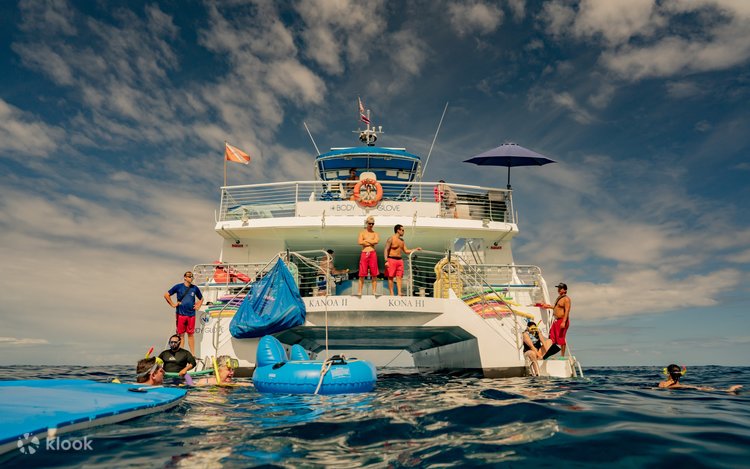
Guided boat snorkel tour. Join a trip to a spot like Turtle Canyon. Pros: reliable sightings, gear, instruction, and guides who manage safety and distance. Cons: it costs money and follows a set schedule.
The best choice depends on your budget and comfort. Families and nervous swimmers often love a guided tour for the ease and near-certain sightings. Confident, budget-minded travelers may prefer shore snorkeling. Whichever you choose, good etiquette makes all the difference.
Turtle Etiquette and Safety Tips
Knowing how to behave around a honu keeps everyone safe and makes your encounter better. These simple habits matter.
If a turtle swims toward you, do not panic or reach out. The correct move is to stay calm and still, keep your fins from kicking wildly, and let the animal pass. You cannot control where a turtle goes, but you can control your own reaction. Never turn your body into a barrier or block its path to the surface for air.
If a crowd of snorkelers gathers around one turtle, move away from the group rather than adding to the pressure. A swarm of people stresses the animal and can push it to flee. Giving space is always the respectful choice.
Protect yourself too. Never snorkel alone, check ocean conditions before entering, and wear a rash guard and reef-safe sunscreen. If you feel tired or short of breath, get out of the water. Remember, basking turtles on the beach are resting, so admire them from at least 10 feet away and never disturb them.
Best Times and Conditions
Timing your snorkel well dramatically improves your odds of a great turtle encounter. A few simple choices help a lot.
Mornings are usually best. The water tends to be calmest early in the day, which means better visibility and easier swimming. Calm, clear water makes spotting a honu far easier and the whole experience more comfortable and safe.
Pay attention to conditions and location. Turtles frequent certain reefs and cleaning stations daily, so returning to a known spot boosts your chances. Always check the surf and weather first, and choose sheltered, calm beaches, especially if you are a beginner.
Sightings are common year-round, since honu are part of daily reef life here. Looking ahead, expect more spots to add protective measures like reservation systems and volunteer honu programs, as conservation efforts grow. That is good news, because it means these encounters can stay magical for generations to come.
You can also read about APUSH Score Calculator.
Conclusion
That dream of gliding alongside a honu is well within your reach. You now know where to find them, the rules that protect them, and how to make your encounter truly special.
Remember the key points. Top spots include Turtle Canyon on Oahu, Kahaluu on the Big Island, and Maluaka on Maui. Always stay at least 10 feet away, and never touch, chase, or crowd a turtle. And remember the golden rule: the best encounters happen when you do less, not more.
Above all, treat every honu with respect. These are wild, protected animals sharing their home with you. When you give them space, you protect them and reward yourself with a calmer, more magical moment.
Here is your one clear next step. Pick a turtle-friendly spot from this guide that matches your comfort level, plan to arrive early when the water is calm, and get ready to float still and let the honu come to you. That patience is the secret to an unforgettable encounter.
So tell me, are you hoping to watch a honu basking peacefully on the sand, or dreaming of that magical moment when one glides right past you underwater?