Plumbing issues are almost guaranteed for any homeowner at some point, but understanding typical problems and how to resolve them quickly can help you save on repair costs and avoid potential water damage. Being prepared with the right knowledge also gives you peace of mind, knowing you can act fast in an emergency. For urgent problems you cannot handle yourself, be sure to know how to reach a 24 hour emergency plumber in Annapolis MD.
Taking a proactive approach to diagnosing and fixing minor plumbing setbacks can keep your home’s system running smoothly. This comprehensive guide covers the most frequent plumbing concerns and clear, actionable solutions that can make a big difference the next time something goes wrong.
Dripping Faucets
The constant drip from a leaky faucet is more than just a source of irritation. According to the U.S. Environmental Protection Agency, a single dripping faucet can waste more than 3,000 gallons of water annually, raising utility bills and contributing to unnecessary water waste.
Solution: Most tap leaks are caused by worn washers or O-rings. To fix, shut off your water supply, remove the handle, and replace the faulty washer or O-ring. Reassemble the faucet and turn the water back on to check for leaks. If leaking persists, it may be time to replace the entire fixture.
Clogged Drains
Clogs often result from the gradual buildup of hair, soap, grease, or food particles. Slow-draining sinks and showers are warning signs you should not ignore, as full blockages can cause overflows and water damage.
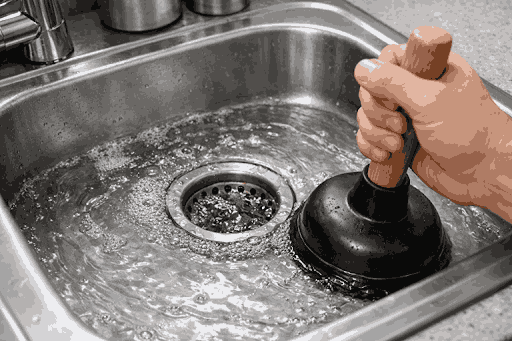
Solution: For minor clogs, use a plunger first to try to clear the blockage. If the plunger is ineffective, a plumbing snake or auger can dislodge deeper clogs. Avoid using chemical drain cleaners regularly due to the risk of pipe damage and potential health risks.
Running Toilets
A toilet that will not stop running can waste hundreds of gallons of water every day. The most frequent causes are worn-out flapper valves, fill valves, or floats that need adjustment.
Solution: Remove the toilet tank lid and inspect the flapper. If it is warped or deteriorated, replace it. Adjust the float so that the water in the tank stops at the advised level, which is usually marked within the tank. If you are unsure, consult the manufacturer’s website for a visual guide.
Low Water Pressure
Experiencing lower-than-normal water pressure is inconvenient and can signal more complex plumbing issues, such as mineral deposits restricting flow in pipes or fixtures, or even hidden leaks.
Solution: Check and clean the aerators in your faucets and the showerhead by removing them and soaking them in vinegar to dissolve mineral buildup. If water pressure remains low throughout the house, contact a professional plumber, as you may have pipe corrosion or a concealed leak within your system.
Leaky Pipes
Even a small pipe leak can escalate quickly, causing water damage, structural issues, and mold growth within walls, floors, or ceilings. Quick intervention is essential to minimize the damage.
Solution: For a temporary fix, wrap the leak with plumber’s tape or use a pipe clamp. However, a damaged section of pipe should ultimately be replaced by a professional to ensure a long-lasting repair.
You can also read about Best Practices for Window Replacement.
Water Heater Issues
Problems like inconsistent water temperatures or a lack of hot water often indicate that sediment has built up in the heater or that there is a malfunction in the thermostat. Most water heaters need regular maintenance for optimal operation.
Solution: Try flushing the tank to remove sediment and check the temperature setting on the thermostat. If the problem continues, most manufacturers recommend professional servicing every year or two to ensure safety and efficiency.
Garbage Disposal Problems
Frequent jams or persistent odors in your garbage disposal usually indicate foreign objects or food that should not be processed being put into the unit.
Solution: First, always ensure the power is off before trying to resolve a jam. Press the reset button located underneath the disposal unit. If blades are stuck, use an Allen wrench to free them manually. For odor issues, run a few ice cubes and citrus peels through the unit to help clean and freshen the disposal naturally.
Sump Pump Failure
A failed sump pump is a leading cause of basement flooding during heavy rain. Homeowners should routinely check their sump pumps, especially before the rainy season starts.
Solution: Test your pump by pouring water into the sump pit; it should begin to pump within seconds. Clean the inlet screen and verify that the power supply is consistent and reliable. If you have frequent failures or the model is old, replacement may be needed for peace of mind.
Addressing these frequent plumbing problems efficiently helps homeowners protect their investment and ensures the comfort and safety of everyone in the home. Preventative maintenance and knowing how to tackle small issues are key, but for anything beyond your skill set, contacting licensed professionals is always the safest approach.