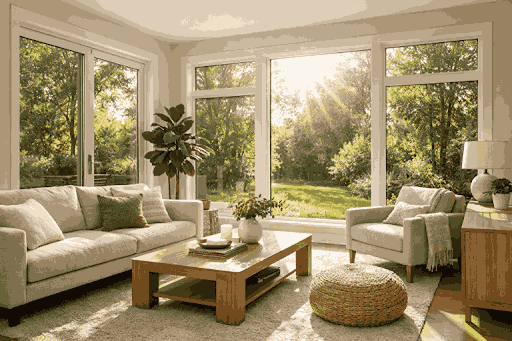
Upgrading your home’s windows offers significant benefits, from lowering utility bills to improving indoor comfort year-round. As you begin your replacement project, remember that the decision process involves much more than selecting new glass. From consulting with professional Marvin Windows Tulsa services in Tulsa OK, to choosing the right material and installation method, these best practices are key to maximizing performance, energy savings, and durability.
Energy-efficient windows play a crucial role in maintaining your home’s temperature and preventing heat loss or cool air infiltration. With careful selection and professional installation, you can expect measurable improvements in comfort and cost savings. Navigating the options for window types, frame materials, performance ratings, and additional features empowers homeowners to make informed decisions that stand the test of time.
Signs of window failure—such as drafts and condensation—often indicate that replacements are necessary to protect your home’s efficiency. Understanding what to look for will help you assess if your current windows meet modern standards or if upgrades are overdue.
As you weigh your choices, it’s also valuable to stay up to date on the latest guidelines and best practices for sustainable building. The U.S. Department of Energy offers comprehensive advice on evaluating and selecting energy-efficient windows.
Assessing Your Current Windows
Before committing to a replacement, inspect your existing windows for telltale signs of inefficiency. Drafts, windows that stick or are hard to operate, visible condensation between glass panes, or increasing energy bills are all indicators that your home might be losing valuable heat or cool air. These issues often result from worn-out seals, outdated glazing, or degraded frames.
A thorough assessment will not only justify your investment but also guide your decisions about which upgrades will have the greatest impact. Addressing small problems early can sometimes extend window life, but in many cases, full replacement is the best path forward for long-term efficiency and value.
Choosing the Right Window Type
The design and functionality of your new windows will affect both your home’s appearance and its ventilation capability. Popular options include:
Double-Hung Windows: These classic models have two operable sashes, making them versatile for airflow control and easy to clean.
Casement Windows: Hinged on the side, they open outward for maximum ventilation and are ideal for unobstructed views.
Awning Windows: Hinged at the top, they open outward to allow airflow without letting rain in, an excellent option for wetter climates.
Each window style offers unique advantages. Consider which will best meet your preferences for aesthetics and practical needs for your specific climate and home layout.
Understanding Energy Performance Ratings
Performance labels from the National Fenestration Rating Council can help you quickly compare options. Two of the most important metrics are:
U-Factor: Reflects the rate of heat transfer. Lower U-factors mean better insulation against heat loss.
Solar Heat Gain Coefficient (SHGC): Indicates how much solar radiation passes through the window. Lower SHGC values are preferable in hot climates for reducing cooling demand.
Review performance ratings that correlate with your region’s climate conditions. Doing so ensures that your investment pays off in energy savings and comfort.
Material Selection for Frames
The frame is just as important as the glass pane for energy efficiency. Leading options include:
Vinyl: Low maintenance and provides effective insulation at an affordable price.
Wood: Aesthetically appealing and provides excellent insulation. However, it requires regular maintenance to prevent decay.
Aluminum: Lightweight and strong, but less thermally efficient unless it includes a thermal break.
Fiberglass: Extremely durable, resists warping, and boasts outstanding thermal performance.
Balance your budget with your desired look and your willingness to maintain it. Durability and insulation are both critical factors.
Importance of Professional Installation
No matter how advanced your new windows are, poor installation can lead to persistent drafts, leaks, and loss of performance. Hiring skilled professionals ensures proper sealing, correct alignment, and adherence to best practices recommended by national building experts. Professional installers can also spot existing structural issues, offer expert advice on improving energy performance, and typically provide labor warranties that protect your investment for years to come.
Considering Additional Features
To further improve efficiency, many modern windows come with advanced features. These include:
Low-E Coatings: Transparent, ultra-thin metallic layers that reflect infrared energy and help regulate indoor temperatures.
Gas Fills: Inert gases like argon or krypton between panes provide extra insulation by slowing heat transfer.
Multiple Panes: Double- or triple-glazing creates insulating layers that reduce the transfer of heat and sound.
These technologies can increase your comfort by making it easier to control indoor temperatures year-round, reducing your reliance on heating and cooling equipment.
Maintenance and Upkeep
Once your windows are in place, ongoing maintenance is vital for long-term performance. Keep the glass and frames clean to maximize light and prevent deterioration. Check weatherstripping periodically for wear and reseal or replace components that have degraded. Prompt attention to these tasks keeps your windows working at peak efficiency and extends their useful life.
You can also read about the 5 Best Home Remodeling Contractors in Chicago.
Conclusion
Energy-efficient window replacement is one of the most effective ways to create a more comfortable, sustainable home environment. By selecting the right products and prioritizing professional installation, you benefit from lower utility bills, increased property value, and improved comfort. Combine thoughtful preparation and the latest innovations in window technology to ensure your investment continues to yield results for many years.