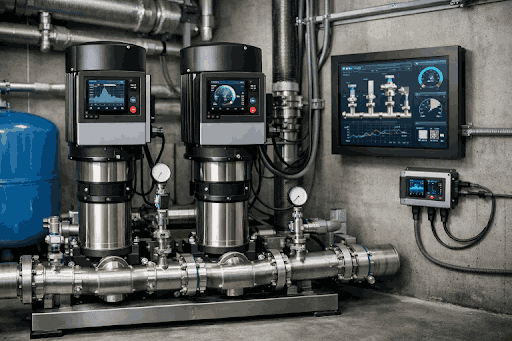
Smart water pumps are transforming the landscape of modern building management by utilizing advanced technology to deliver optimal efficiency and resource conservation. By leveraging real-time data and automated controls, these devices ensure that water is used effectively and energy is conserved, helping facilities pursue both cost savings and environmental sustainability. Integrated with cutting-edge monitoring systems, smart pumps are key to the evolution of intelligent building infrastructure. For those seeking reliable solutions and further insights into the latest in smart pumping technology, resources like https://cbeuptime.com/grundfos/ offer valuable information and guidance.
Modern construction and operational strategies increasingly require systems that reduce waste while maintaining performance. The deployment of smart water pumps supports these aims, helping property managers and owners meet rising expectations for sustainability, efficiency, and regulatory compliance. As the demand for climate-conscious solutions grows, the role of smart water pumps in enabling real-world results becomes even more pronounced.
Introduction to Smart Water Pumps
Smart water pumps combine traditional pumping mechanisms with intelligent control systems, allowing for automated adjustment of flow rates and pressure based on building demand. These pumps differ from conventional models by enabling dynamic response to changing requirements, thus preserving resources and enhancing operational precision. Sensors track usage and environmental conditions in real time, feeding information to software that regulates performance and identifies inefficiencies or maintenance needs.
This integration of smart capability into water systems helps buildings avoid the pitfalls of overuse, leaks, and unnecessary power consumption, which commonly occur with older systems. The result is a synergistic effect in which water delivery becomes both smarter and more sustainable, helping buildings meet modern expectations for responsible resource management.
Technological Advancements in Smart Pumps
Recent years have seen notable advancements in smart water pump technology. Variable frequency drives (VFDs) allow precise control over pump speed and energy use, responding instantly to fluctuating demand. Internet of Things (IoT) connectivity lets facility managers monitor and control pumps remotely, receiving alerts about system health or abnormal patterns. Artificial intelligence and predictive maintenance algorithms now assess pump performance and suggest proactive interventions, minimizing downtime and costly repairs.
The convergence of these innovations has led to pumping systems that are not only more efficient but also far more reliable and adaptable than ever before. Building managers can use detailed analytics to fine-tune operations or identify opportunities for further optimization, representing a dramatic leap from the static, one-size-fits-all solutions of the past. For a broader understanding of how smart infrastructure shapes the future of buildings, resources discuss the adoption of intelligent technologies in construction.
Energy Efficiency and Cost Savings
Energy savings are among the most compelling reasons for adopting smart water pumps. By matching output to actual demand instead of running continuously at maximum capacity, these pumps significantly reduce energy consumption. Evidence from a study on a 20-story office building demonstrated an 87 percent reduction in pump energy use after switching to smart pump technology. Such reductions directly translate to lower utility bills and a more eco-friendly profile for building operators.
Over time, the initial investment in smart pump systems is offset by the significant cuts in operational expenses. Many organizations find that the payback period is shorter than expected, reinforcing the value proposition of modern, automated pumping solutions. Whether in new construction or retrofit projects, the case for smart pumps is strongly supported by both financial and environmental incentives.
Role in Sustainable Building Design
Smart water pumps are foundational to sustainable building initiatives. By maximizing water efficiency and reducing the energy needed for its distribution, these pumps directly support the criteria for green building standards such as LEED and WELL. Automatic adjustments reduce waste and help capture credits for water management, making it easier for commercial property owners and managers to achieve sought-after certifications.
Beyond certification, smart pumps align with a broader mission of corporate responsibility. Their use signals a commitment to resource stewardship, often resonating with environmentally-conscious tenants and stakeholders who prioritize sustainability in their leasing or investment decisions.
Case Studies and Real-World Applications
Evidence of the effectiveness of smart water pump technology can be seen in several high-profile real-world applications. The Toronto Marriott Markham hotel, for instance, achieved a 70 percent reduction in energy use after installing smart chilled water pumps. This upgrade not only cut operational costs but also contributed to the hotel’s broader green building objectives, cementing its status as an industry leader in sustainability.
Other large campuses, from universities to corporate headquarters, report similar results. These facilities consistently witness lower energy usage, improved water management, and favorable long-term returns, reinforcing the practical value of adopting advanced water pump systems.
Challenges and Considerations
Despite their clear benefits, integrating smart water pumps presents certain challenges. Upfront costs can be significant, especially for large properties or complex systems. The need for skilled technicians who understand both mechanical systems and digital controls can also complicate initial setup and ongoing maintenance. Integrating new technology with legacy infrastructure may require careful planning and coordination.
However, industry experts often point out that these hurdles are temporary and manageable. As familiarity with smart systems grows, costs decline and support becomes more readily available, making the transition to smarter water management more accessible over time.
You can also read about Seasonal AC Maintenance Tips for Homeowners in Flagstaff, AZ.
Future Trends and Developments
Looking ahead, the role of smart water pumps in building systems is set to expand. Integration with comprehensive building management systems will improve holistic resource optimization. Artificial intelligence will play an even greater role in predictive maintenance, potentially identifying issues before they disrupt operations. Ongoing innovations in sensor technology and data analytics will further enhance the responsiveness and efficiency of these systems, making them increasingly indispensable in forward-thinking construction projects.
As regulatory pressures around water and energy use increase, the capabilities of smart pumps will become a central factor in achieving compliance and exceeding performance standards throughout the built environment.
Conclusion
Smart water pumps represent a pivotal advancement in building technology, offering operational efficiencies and sustainability gains that address the priorities of modern facility management. By optimizing resource use, supporting green building standards, and improving overall system reliability, they serve as a key enabler in the push toward smarter, more sustainable buildings. As technology, regulations, and market expectations continue to evolve, the importance of integrating smart water pumps into new and existing structures will only grow.