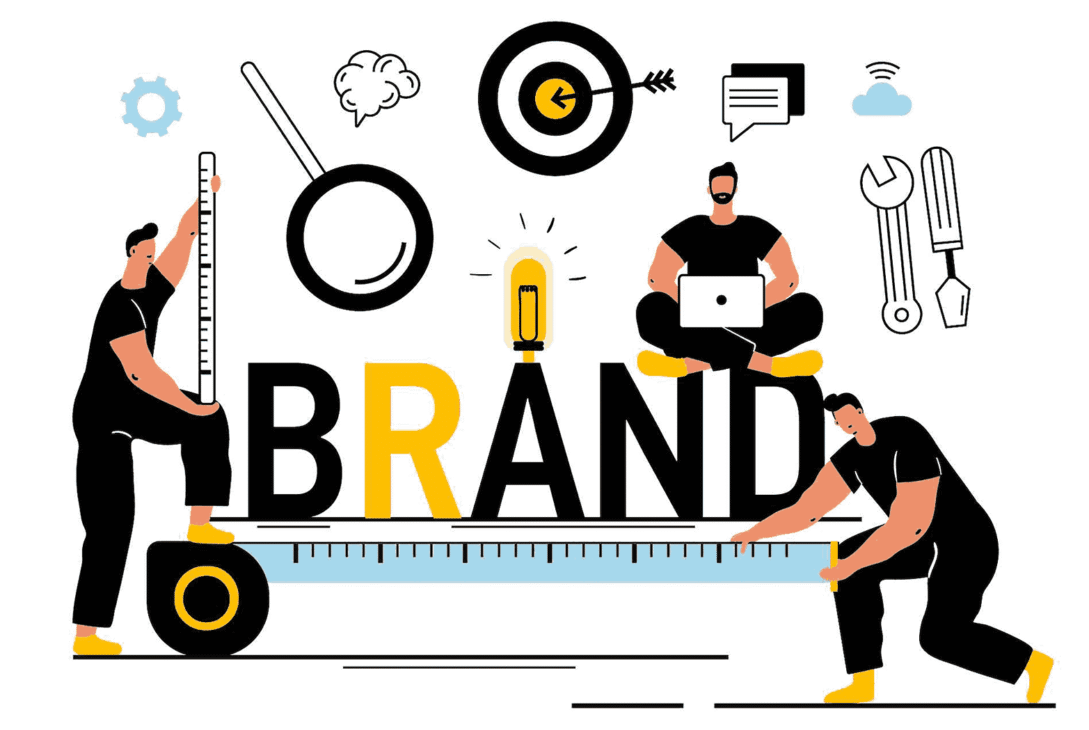
In a world where customers scroll endlessly, compare dozens of options in seconds, and make snap judgments based on appearance alone, branding has become far more than a logo on a website. It’s the emotional handshake between a business and its audience. Before someone reads your services, checks your prices, or speaks to your team, they’ve already formed an opinion based on how your brand looks and feels.
That’s why businesses of every size — from solo startups to established companies — are investing more time into visual identity. A recognizable, professional brand creates trust. It communicates confidence. And in crowded markets, it can be the deciding factor that separates one company from another.
The challenge, however, is that many entrepreneurs still believe effective branding requires a huge budget or an in-house design team. That’s no longer true.
One of the easiest ways for businesses to create a polished identity today is by using modern design tools that simplify the process. Platforms offering customizable templates and smart automation make it possible to create an impressive AI logo without needing years of design experience. For small businesses especially, this has opened the door to faster branding decisions, cleaner visuals, and more professional online presence from day one.
First Impressions Happen Fast
Research consistently shows that people form impressions of brands within seconds. Think about your own browsing habits. If a company website looks outdated, cluttered, or inconsistent, trust immediately drops. Even if the business itself is excellent, poor visual presentation creates hesitation.
On the other hand, strong branding sends a completely different message. Clean typography, balanced colors, and a memorable logo create familiarity and professionalism. Customers often associate visual quality with service quality — whether consciously or subconsciously.
This matters even more in digital-first industries where customers may never walk into a physical location. Online stores, consultants, agencies, SaaS companies, and freelancers all rely heavily on visual credibility.
Branding Is More Than Just a Logo
A logo is important, but it’s only one piece of the larger identity puzzle.
Effective branding includes:
- Color palette
- Typography
- Website aesthetics
- Social media visuals
- Packaging
- Email design
- Presentation style
- Tone of voice
When all these elements align, businesses feel cohesive and memorable.
Take some of the world’s most recognizable brands as examples. You can often identify them instantly through colors, layout styles, or typography alone — even before seeing the company name. That level of consistency creates trust and long-term recognition.
Smaller businesses can apply the same principles on a practical scale. Consistency doesn’t require massive resources. It simply requires intentional design choices and a clear visual direction.
Why Modern Consumers Care About Design
Today’s consumers are more visually aware than ever. Social media platforms have raised expectations for aesthetics across every industry. Whether someone is shopping for software, coffee, consulting services, or fitness coaching, presentation influences perceived value.
People naturally trust businesses that appear organized and polished.
This doesn’t mean every brand must look luxurious or overly corporate. In fact, authenticity often performs better. But authenticity still needs clarity and professionalism.
For example:
- A local bakery may use warm, handcrafted visuals.
- A tech startup may choose sleek minimalism.
- A wellness coach may lean into calming colors and soft typography.
Different industries require different styles, but all successful brands share one thing: intentional presentation.
The Rise of DIY Branding Tools
Not long ago, creating a professional brand identity involved expensive agencies, multiple revisions, and long turnaround times. For many small businesses, that simply wasn’t realistic.
Now, design technology has dramatically changed accessibility.
Modern branding tools allow entrepreneurs to:
- Generate design ideas quickly
- Experiment with multiple styles
- Customize fonts and colors
- Create scalable logo formats
- Maintain consistency across platforms
This is especially valuable for startups operating under tight budgets. Instead of delaying branding decisions for months, businesses can launch with confidence and refine their identity as they grow.
The speed factor also matters. In fast-moving industries, agility can be a competitive advantage. Businesses that adapt quickly often outperform those stuck in endless development cycles.
Branding and Customer Trust Go Hand in Hand
One overlooked aspect of branding is how deeply it influences trust.
Imagine two businesses offering the same service:
- One has inconsistent visuals, pixelated graphics, and outdated branding.
- The other has a cohesive website, modern logo, and polished presentation.
Most customers will instinctively choose the second option — even before comparing details.
This phenomenon appears everywhere online:
- E-commerce stores
- LinkedIn company pages
- Professional portfolios
- Service-based businesses
- Mobile apps
- Email campaigns
Professional branding reduces uncertainty. It signals legitimacy.
And trust is one of the most valuable currencies in modern business.
Real-World Example: Small Businesses Winning Through Branding
Many small businesses have built strong audiences primarily because of consistent visual identity.
Consider independent coffee shops that use carefully curated packaging and social media aesthetics. Or niche skincare brands that maintain cohesive visuals across every touchpoint. Their products may be excellent, but branding amplifies perception and memorability.
Even consultants and freelancers benefit enormously from visual consistency. A well-designed website and recognizable brand style can elevate perceived expertise significantly.
People remember experiences visually. Strong branding helps businesses stay top of mind long after someone leaves a website or social feed.
Common Branding Mistakes Businesses Should Avoid
While improving branding has become easier, there are still common mistakes businesses make:
Inconsistency Across Platforms
Using different colors, fonts, or styles everywhere creates confusion. Consistency builds familiarity.
Overcomplicated Logos
Simple logos are often more memorable and versatile than overly detailed designs.
Following Trends Blindly
Trends come and go quickly. Brands should feel modern without losing timelessness.
Ignoring Mobile Experience
Brand visuals must look clean and readable on phones, tablets, and social platforms.
Delaying Branding Until “Later”
Many businesses wait too long to develop a clear identity. Branding doesn’t need perfection at launch — it needs clarity and consistency.
You can also read about the Top 5 OST to PST Converter Software.
Practical Tips for Building a Strong Brand Identity
Businesses looking to strengthen branding can start with a few practical steps:
- Define your audience clearly.
- Choose 2–3 primary brand colors.
- Use consistent fonts across platforms.
- Keep visual elements simple.
- Create templates for social media posts.
- Maintain a recognizable tone of voice.
- Update outdated visuals regularly.
The goal isn’t to imitate large corporations. It’s to create a brand experience that feels trustworthy, recognizable, and aligned with your audience.
Final Thoughts
Strong branding is no longer optional in competitive markets. It influences trust, customer perception, engagement, and long-term recognition. Businesses that invest in clear, professional visual identity often position themselves more effectively — even against larger competitors.
The good news is that creating a polished brand presence has become far more accessible than it once was. With modern tools, thoughtful strategy, and consistent execution, businesses can build memorable identities without overwhelming costs or complexity.
In today’s digital environment, visual branding is often the first conversation a business has with potential customers. Making that first impression count can shape everything that follows.