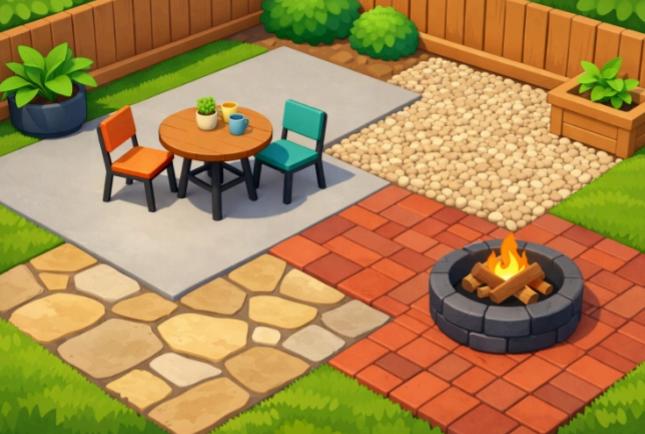
Adding a patio to your home is one of the best ways to enhance your outdoor living experience, create a perfect space for relaxation or entertaining, and simultaneously increase your property’s real estate value. However, before initiating any patio project, understanding the budgeting process and potential expenses is essential. Whether you plan to manage the project yourself or seek out patio construction contractors in Potomac Falls, VA, having a clear picture of all cost elements can save you from unexpected surprises down the road.
The cost of a patio in 2026 depends on materials, design, and whether you choose professional or DIY installation. Knowing average prices and ways to optimize your budget helps you get style and function without overspending. Project timing matters: off-peak seasons can offer savings on materials and labor. Researching local regulations and finding reliable professionals ensures a smooth build and lasting enjoyment. Watch for hidden costs like site prep, permits, or special features, as these can significantly increase costs.
Average Costs of Patio Construction
The cost of building a patio depends on its size, the materials you choose, and the complexity of your design. In 2026, average costs range from $5 to $35 per square foot. For most homeowners, this equates to a total project cost of $1,000 to $14,000 for a typical patio. To give a practical example, a 10-foot by 20-foot patio might cost between $1,000 and $7,000, while a larger 20-foot by 20-foot patio can exceed $14,000, especially if you opt for premium finishes.
Material Costs
Your choice of material is one of the biggest factors influencing your budget. Different options have different price tags and can significantly affect the look and feel of your space:
Concrete: $6–$15 per square foot. Concrete remains popular due to its durability and affordability.
Pavers: $10–$20 per square foot. These are known for their design versatility and long-term resilience.
Natural Stone: $18–$35 per square foot. Opting for materials like flagstone or slate creates a high-end, organic look and is highly durable, but also comes at a premium cost.
Gravel: $3–$8 per square foot. Gravel patios offer a budget-friendly solution and easy installation, making them ideal for DIYers or temporary outdoor spaces.
Labor Costs
In most cases, labor costs account for about 35 percent of the total project cost. For a 300-square-foot patio, this can range from $840 to $3,675, depending on the complexity of your chosen layout and your region’s labor market. Simpler square or rectangular layouts typically cost less than patios with rounded edges, multi-levels, or built-in accessories.
Additional Expenses
Beyond the obvious costs of materials and labor, several additional factors can impact your budget:
Site Preparation: If your yard needs to be leveled or graded, expect to add $1,000 to $3,000 to your project.
Permits and Inspections: Many municipalities require patio construction permits, with costs ranging from $100 to $1,200 depending on your location and the scope of work.
Accessories: Built-in items such as fire pits, seat walls, or outdoor kitchens can quickly increase your overall investment by $1,000 to $3,000 or more. While optional, these features can add significant value and enjoyment to your space.
You can also read about Sell Your House Fast in St. Petersburg, FL: A Complete Guide.
Factors Influencing Costs
The final cost of your patio depends on several variables:
Size and Shape: More expansive patios, or those with custom shapes and elevations, increase material and labor costs.
Material Choice: Premium or imported materials cost more and may increase installation time.
Site Conditions: Sloped lots or rocky terrain can require additional excavation and foundation work.
Location: Labor and material prices often vary by region, with higher costs in urban areas or areas with limited supplier competition.
Cost-Saving Tips
If you are committed to making the most of your budget, these strategies can help control expenses:
Obtain Multiple Quotes: Collecting several estimates from licensed professionals ensures you find the best value.
Choose Materials Wisely: Prioritize materials that balance longevity, look, and cost. Some affordable alternatives mimic high-end styles.
Time the Project: Scheduling work during contractors’ off-seasons can sometimes net volume discounts or faster completion times.
DIY Site Preparation: Taking on some simpler prep tasks, such as removing sod or old concrete, can lower your labor bill.
Consulting with local experts and reading reputable guides, such as those on HGTV, can further refine your plans and savings strategy.
DIY vs. Professional Installation
Choosing between self-installation and hiring a professional comes down to your confidence and available time. Installing a patio yourself can reduce overall costs by up to 40 percent, primarily by saving on labor. For example, a DIY paver patio might average around $3,870, which is significantly less than hiring an expert. However, DIY projects demand physical effort and a strong grasp of construction basics. Hiring professionals, on the other hand, means your patio will meet safety codes, include warranties, and benefit from expert craftsmanship.
Conclusion
Understanding the full spectrum of costs associated with patio construction helps ensure your project runs as smoothly as possible. By evaluating material choices, labor rates, and additional expenditures, homeowners can confidently create an outdoor living space that enhances both quality of life and property value.