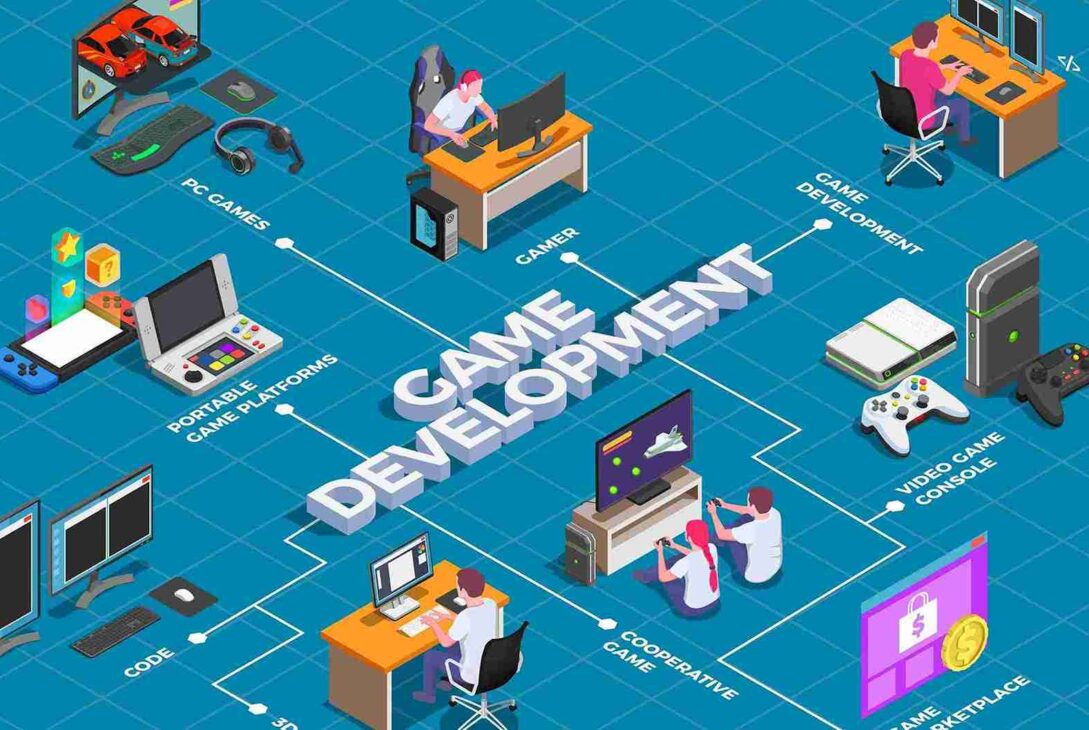
In today’s competitive digital landscape, creating a game that captures and retains user attention requires more than just an innovative idea. It demands a blend of technical expertise, creative storytelling, and user-centric design. Whether you’re building a mobile game, a console experience, or a web-based interactive product, the decision to hire game developer plays a critical role in determining the success of your project.
But what exactly should you look for when hiring game developers to ensure engaging user experiences? The answer lies in evaluating a combination of technical skills, creative abilities, and a collaborative mindset. Let’s break it down.
1. Strong Foundation in Game Development Technologies
A competent game developer must have a solid grasp of the tools and technologies used in game creation. This includes proficiency in game engines such as Unity or Unreal Engine, programming languages like C++, C#, or JavaScript, and familiarity with graphics APIs.
However, technical proficiency alone isn’t enough. Developers should understand how to optimize performance across platforms—ensuring smooth gameplay, reduced latency, and efficient memory usage. Poor optimization can ruin even the most visually stunning game.
When you hire game developer, ensure they can demonstrate hands-on experience with the technologies relevant to your project’s scope and platform.
2. Experience with User-Centric Game Design
Engaging games are built around the player experience. A developer who understands user behavior, motivation loops, and engagement mechanics can make a significant difference.
Look for developers who:
- Understand game psychology (reward systems, progression loops)
- Can design intuitive controls and interfaces
- Prioritize accessibility and inclusivity
A developer who collaborates effectively with UI/UX designers or possesses cross-functional knowledge in design will be better equipped to create immersive experiences.
3. Portfolio of Completed Projects
A strong portfolio is one of the most reliable indicators of a developer’s capabilities. Reviewing past work allows you to assess their style, technical proficiency, and creativity.
Pay attention to:
- Variety of projects (mobile, console, AR/VR, etc.)
- Complexity of gameplay mechanics
- Visual and audio integration
- User engagement metrics (if available)
When you hire game developer, prioritize candidates who can walk you through their development process, challenges faced, and how they improved user engagement in their previous projects.
4. Understanding of Game Mechanics and Storytelling
Beyond coding, great game developers contribute to crafting compelling narratives and gameplay systems. Storytelling plays a crucial role in keeping players invested, especially in role-playing or adventure games.
Developers should:
- Understand pacing and narrative arcs
- Integrate storytelling seamlessly into gameplay
- Design meaningful player choices and consequences
Even in casual or hyper-casual games, subtle storytelling elements can enhance emotional engagement and retention.
5. Knowledge of Multiplayer and Networking Systems
With the rise of online gaming, multiplayer functionality has become a key component of many successful games. Developers should be familiar with networking concepts such as client-server architecture, real-time synchronization, and latency management.
If your game includes multiplayer features, ensure the developer has experience with:
- Matchmaking systems
- Real-time data handling
- Security and anti-cheat mechanisms
Hiring developers with this expertise ensures a smooth and scalable multiplayer experience.
6. Adaptability Across Platforms
Modern users expect seamless experiences across devices—whether it’s mobile, desktop, or console. Cross-platform compatibility is no longer optional.
A skilled developer should:
- Understand platform-specific requirements
- Optimize UI/UX for different screen sizes
- Ensure consistent performance across devices
When you hire game developer, prioritize those who have delivered cross-platform games or understand frameworks that support multi-device deployment.
You can also read about how Technical SEO Enhances Website Usability and Boosts.
7. Problem-Solving and Debugging Skills
Game development is inherently complex, involving multiple systems working simultaneously. Bugs, crashes, and performance issues are inevitable during development.
Strong developers:
- Diagnose issues quickly
- Write clean, maintainable code
- Use debugging tools effectively
- Anticipate edge cases
Efficient problem-solving directly impacts development timelines and overall product quality.
8. Collaboration and Communication Skills
Game development is rarely a solo effort. It involves collaboration between designers, artists, sound engineers, and project managers.
A good developer should:
- Communicate technical concepts clearly
- Be open to feedback and iteration
- Work effectively in agile environments
- Align with team goals and deadlines
When you hire game developer, don’t overlook soft skills—they are essential for smooth project execution.
9. Awareness of Industry Trends
The gaming industry evolves rapidly, with emerging technologies like AR/VR, cloud gaming, and AI-driven gameplay reshaping user expectations.
Developers who stay updated with trends can:
- Suggest innovative features
- Improve user engagement strategies
- Future-proof your game
Look for candidates who actively learn, experiment, and adapt to new tools and methodologies.
10. Focus on Monetization and Retention Strategies
An engaging game is not just about gameplay—it’s also about sustaining user interest and generating revenue. Developers should understand monetization models such as in-app purchases, ads, and subscription systems.
They should also consider:
- Retention strategies (daily rewards, events)
- Analytics integration
- A/B testing for gameplay improvements
When you hire game developer with this mindset, you’re not just building a game—you’re building a sustainable product.
11. Testing and Quality Assurance Mindset
Quality assurance is critical in delivering a polished gaming experience. Developers should be proactive in testing their code and ensuring stability.
Key aspects include:
- Unit and integration testing
- Performance testing under load
- User acceptance testing
A developer who values quality will reduce post-launch issues and enhance user satisfaction.
You can also read about the Best Website Designing Agencies in Gurgaon.
Conclusion
Hiring the right game developer is a strategic decision that goes far beyond evaluating technical skills. It involves assessing creativity, user-centric thinking, collaboration abilities, and adaptability to evolving trends.
When you set out to hire game developer, focus on individuals who can bridge the gap between technology and user experience. The ideal candidate is not just a coder, but a creator—someone who understands how to transform ideas into immersive, engaging worlds that users want to return to.
By prioritizing these qualities, you position your project for success in an increasingly competitive gaming market, ensuring your game doesn’t just attract users—but keeps them coming back.