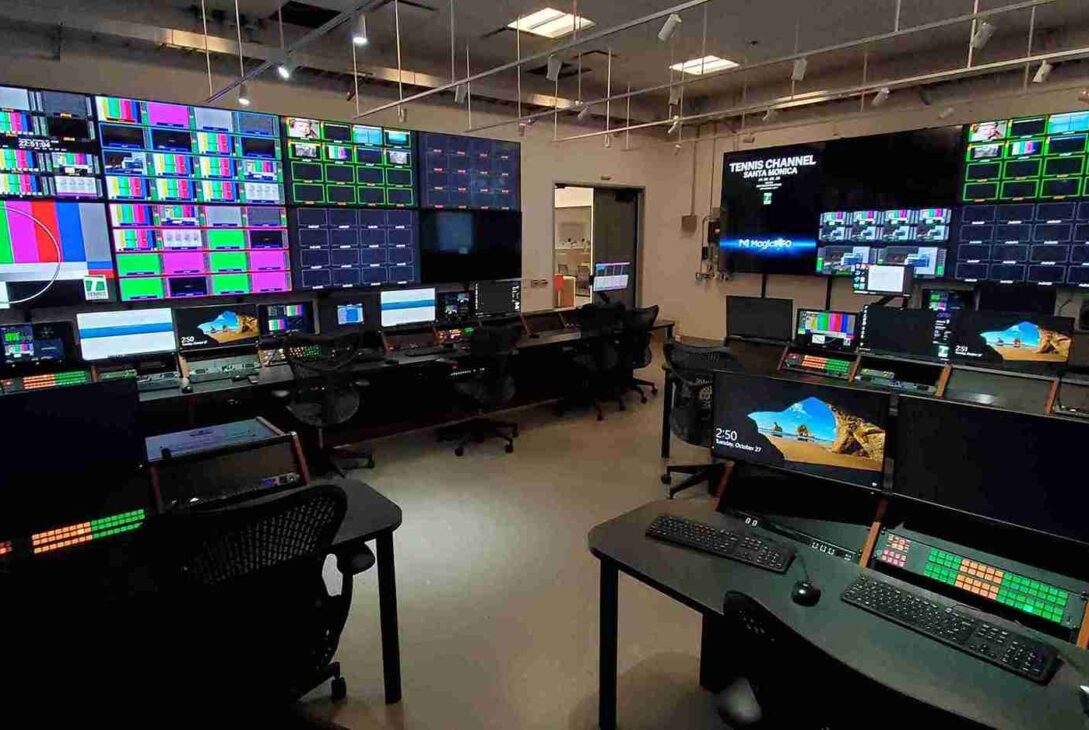
The digital revolution has changed the process of producing, disseminating and consuming information. Modern communication strategies are dominated by social platforms, online news and real-time alerts. But in this speed of changing, one of the pillars of effective media intelligence, broadcast monitoring, is still present. Television and radio have yet to leave an impact on the general opinion, create a narrative, or spark a conversation on the Internet, which is why broadcast monitoring is becoming as topical as it has never been.
Broadcast Media Strikes the Agenda.
Online platforms make discussions more significant, although broadcast media frequently begins them. The trendsetters are major announcements, breaking news, and high-profile interviews, which usually first appear on TV or radio, then start trending online. A good broadcast tracking also means that organizations would not have to react to the spread of stories in digital platforms but instead record these impactful instances as they occur.
Broadcast mentions are more credible and authoritative particularly in times of crisis or other significant events. The failure to consider broadcast coverage deprives one of the original sources of a lot of the discussion online.
More intelligent Monitoring With Sophisticated Services.
The current broadcast monitoring systems have developed way beyond recording and manual checking. The AI-powered and speech recognition technologies of the present day enable the scanning of thousands of broadcasting channels, the transformation of speech into searchable text, and the provision of real-time notifications.
These services enable communication teams to determine the volume of coverage, sentiment and key messaging in real-time. This has seen broadcast monitoring to be less of a reporting tool and to be a proactive decision-making resource.
In a Digital-First Strategy, Broadcast Monitoring.
Speed and context are imperative in digital times. State-of-the-art broadcast monitoring software is used to enable brands to react more rapidly, risk control and impact measurement. Broadcast insights offer an in-depth view of digital-only tools, whether it be tracking the presence of a competitor on the media or the brand reputation.
Monitoring of broadcasts is crucial in:
- Brand management and reputation.
- Detection and response of crisis.
- Consistency in messages and the performance of the spokespersons.
- Competitive and industry intelligence.
These have been found to be helpful in informed communication strategies in all channels.
Cohesive Intelligence via Surveillance systems.
Contemporary broadcast monitoring systems integrate broadcast data, online news and social data. This is what enables teams to match TV and radio mentions with online responses enhancing analysis and reporting of campaigns.
Indicatively, combining the broadcast analytics with twitter tracking would assist in determining the real-time reaction of the viewers following an aired segment or radio interview. This relationship between broadcast and social media gives a better perception of the feeling and involvement of the audience.
The reason as to why basic alerts are no longer sufficient.
Simple media mention tracking tools are still in use by many organizations. Nevertheless, simple notifications usually fail to display broadcasts or give delayed and partial outcomes. This has necessitated the need to seek Google Alerts alternatives that are real-time monitoring and accurate transcription in addition to advanced analytics.
The professional broadcast monitoring platforms record verbal mentionings, give context, and enable in-depth analysis, which basic alert systems simply cannot achieve.
Broadcast Monitoring and its role in Media Monitoring.
Monitoring of the broadcast exclusively can only be effective as part of a wider media monitoring strategy. Through broadcast, digital news and social insights integration, the organizations can have a full picture of how stories are created and developed.
This is a holistic strategy that allows brands to assess the actual media impact, coordinate the message across channels and make decisions confidently based on data.
You can also read about Rising Need for Strong Digital Verification in a Connected World.
The Future of Broadcast Monitoring.
With the further development of AI and analytics, broadcast monitoring will become even more predictive and accurate. Its value will be further improved by enhanced sentiment analysis, trend forecasting and smooth digital integration.
Quite on the contrary, broadcast monitoring is making changes to suit requirements of digital times- it remains an important linking point between the conventional power and digital urgency.
Final Thoughts
Broadcast media is still a strong entity in a world that is digital-first. Organizations are able to convert TV and radio coverage into actionable intelligence with the proper broadcast monitoring solutions. That is why broadcast monitoring remains a game-changer, ensuring smarter strategies, more reputable results and improved media performance in the digital age.