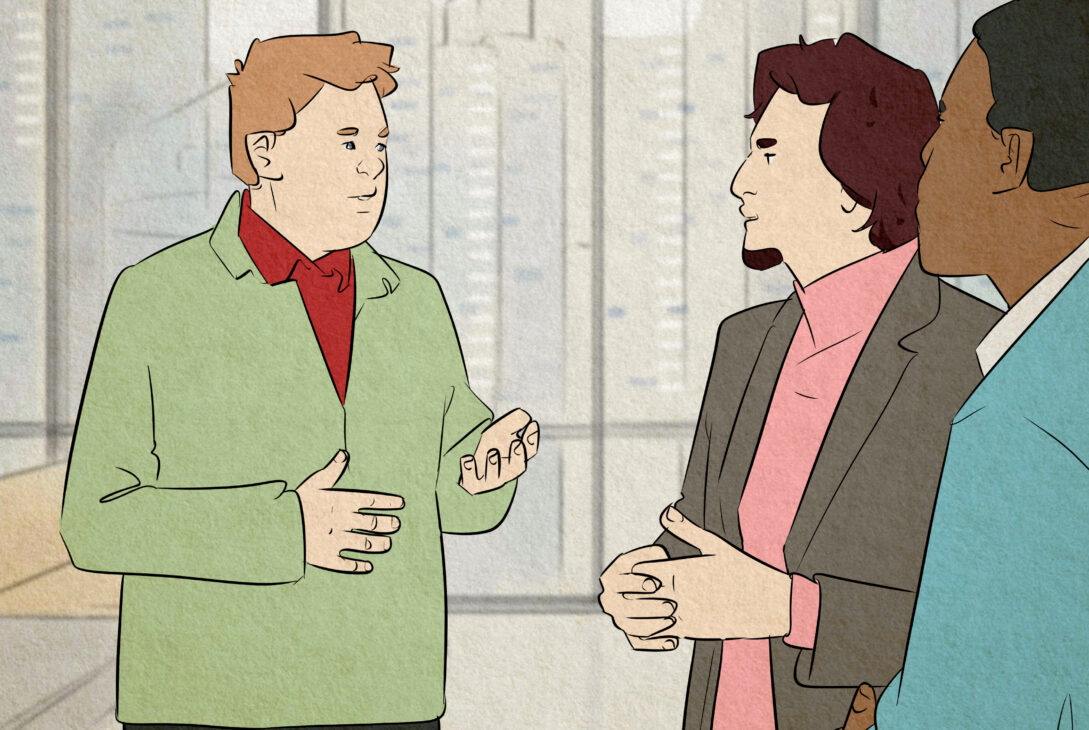
Monotone speech, where voice remains largely flat—with little rise or fall in pitch—can create barriers to genuine communication. Communicating without vocal variation may cause listeners to lose interest, miss emotional cues, or misunderstand intent. In both children and adults, this can impact personal, academic, and professional relationships. For individuals navigating these challenges, specialized monotone speech therapy solutions can help unlock the potential of their natural voice, leading to more authentic and engaging interactions.
Addressing monotone speech often requires more than direct instruction; experiential learning that fosters exploration of vocal dynamics is essential. Developing expressive speech not only benefits those overcoming monotone tendencies but also enhances storytelling, reading skills, and confidence for all ages.
The Role of Literature in Speech Therapy
Literature uniquely supports vocal expression by introducing vibrant storytelling, dialogue, and emotional cues. Engaging books with varied sentence structures invite readers to modulate pitch and inflection, leading to more colorful and dynamic speaking habits over time. Carefully selected picture books and chapter books enable therapists to model voice inflections and encourage clients to imitate or adapt expressions, thereby embedding learning in meaningful and memorable contexts.
When children or adults partake in read-aloud sessions, particularly with books designed for repetition and rhyme, they naturally absorb expressive speech patterns. This immersive approach not only makes sessions more enjoyable but also creates a foundation for lasting communication skills.
Incorporating literature into language interventions accelerates vocabulary and expression growth, underlining the power of reading as a speech therapy resource.
Integrating Books into Therapy Sessions
Incorporating expressive literature into speech therapy is both strategic and highly adaptable:
- Interactive Reading: Therapists and parents encourage clients to practice reading passages aloud, highlighting moments to increase or decrease volume, vary intonation, or pause for effect.
- Role-Playing: Assigning voices to specific characters engages readers emotionally and physically, reinforcing the link between story content and expressive delivery.
- Discussion and Reflection: After a reading session, conversations about character emotions, voice choices, and possible alternatives help readers become more aware and intentional in their speaking habits.
Benefits of Using Literature in Speech Therapy
- Engagement: Stories draw listeners into a world of imagination, keeping young and older language learners attentive and motivated.
- Contextual Learning: Narratives present numerous real-life scenarios where vocal variety is essential, helping readers understand the broader value of expressive speech.
- Repetition: Books with repetitive elements reinforce learning, enabling mastery of new sounds and expressive patterns through enjoyable practice.
- Skill Generalization: Techniques practiced with literature often extend naturally to conversations, class presentations, and peer interactions.
You can also read about Vendor Due Diligence.
Recommended Books for Enhancing Expressiveness
- “The Adventures of Mindy and Mo” Series: This series of eight books harnesses rhythmic and rhyming text, making practice lively and accessible. The stories target specific speech sounds and embed positive psychology themes, such as growth mindset and resilience, which are key to speech development.
- “Brown Bear, Brown Bear, What Do You See?” by Bill Martin Jr. and Eric Carle: Featuring unforgettable repeating phrases, this classic helps children anticipate and rehearse a range of sounds and expressive patterns, making each reading session an opportunity to grow communication skills.
- “Green Eggs and Ham” by Dr. Seuss: Playful rhymes and clever repetitions compelled generations of readers to experiment with sound and rhythm. This timeless favorite supports the practice of inflection, clarity, and engagement. Discover additional resources.
Conclusion
Combining storytelling with proven speech therapy techniques transforms monotonous, flat speech into lively and engaging communication. Using expressive literature—filled with rhythm, repetition, and emotional cues—can energize any speech therapy session. This approach enhances articulation and intonation while fostering long-term confidence in speaking and helps individuals engage more meaningfully in personal and professional conversations. Adding creativity and personal interests into sessions can also boost motivation, making progress feel more natural and enjoyable.