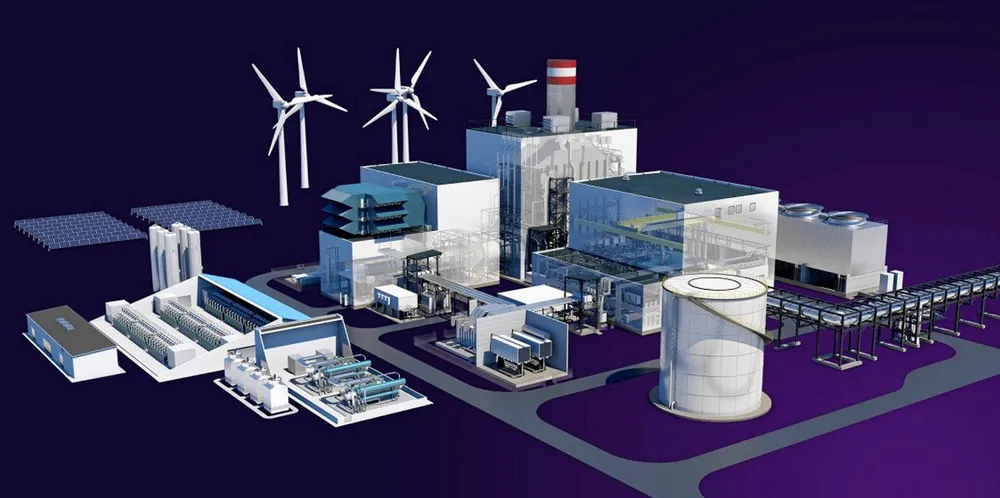
Power generation is no longer a narrow technical activity limited to burning fossil fuels. It has become a multidisciplinary field involving engineering, environmental science, economics, data analytics, and public policy. Enterprises in this sector must balance cost efficiency with sustainability, grid stability with innovation, and local needs with global climate commitments. This article provides a comprehensive, in-depth overview of the sector, examining its structure, technologies, challenges, and future trajectory.
The global demand for reliable electricity continues to expand as populations grow, industries scale, and digital infrastructure becomes central to everyday life. At the core of this complex ecosystem are Power Generation Enterprises, organizations responsible for converting natural and renewable resources into usable electrical energy. These enterprises operate across diverse geographies, technologies, and regulatory environments, ensuring that homes, businesses, and critical services receive uninterrupted power. Understanding how these organizations function, evolve, and contribute to economic development is essential for policymakers, investors, engineers, and the general public alike.
The Evolution of Power Generation Enterprises
Historically, power generation began with small, localized systems designed to meet the needs of specific communities or industrial facilities. Early enterprises relied heavily on coal-fired steam engines, which powered factories and illuminated cities during the industrial revolution. As electricity transmission technologies improved, generation became centralized, leading to the creation of large utilities capable of serving entire regions.
Over the twentieth century, power generation enterprises diversified their energy sources, incorporating oil, natural gas, hydroelectric power, and nuclear energy. Each technological shift reshaped enterprise structures, capital requirements, and regulatory oversight. The late twentieth and early twenty-first centuries introduced a new phase marked by renewable energy adoption, deregulation in certain markets, and increased private sector participation. Today, Power Generation Enterprises range from state-owned utilities operating national grids to agile private companies developing solar farms, wind parks, and hybrid energy solutions.
Core Functions and Operational Models
At their core, power generation enterprises are responsible for producing electricity in a safe, reliable, and cost-effective manner. This involves several interconnected functions, including resource procurement, plant construction and maintenance, generation scheduling, and coordination with transmission and distribution operators. Enterprises must also comply with stringent safety standards and environmental regulations, which vary significantly across jurisdictions.
Operational models differ widely depending on market structure. In vertically integrated systems, a single enterprise may control generation, transmission, and distribution. In liberalized markets, generation enterprises compete to sell electricity into wholesale markets, while transmission and distribution are managed by separate entities. Independent power producers, merchant generators, and public-private partnerships all coexist within this landscape, each with distinct risk profiles and revenue mechanisms.
You can also read about MPS Engineering & Construction.
Conventional Power Generation Technologies
Despite the rapid growth of renewables, conventional power generation technologies remain a significant component of global electricity supply. Coal-fired power plants, though declining in many regions, continue to provide baseload power in countries with abundant coal reserves. Natural gas plants have gained prominence due to their flexibility, lower emissions compared to coal, and ability to complement intermittent renewable sources.
Nuclear power represents another critical technology, offering high-capacity, low-carbon electricity generation. Enterprises operating nuclear facilities face unique challenges, including high capital costs, long development timelines, and complex regulatory requirements. However, nuclear plants provide stable output over decades, making them a strategic asset in many national energy portfolios. For Power Generation Enterprises, managing a balanced mix of conventional technologies remains essential to ensuring grid reliability during the energy transition.
Renewable Energy and the Changing Landscape
The rise of renewable energy has fundamentally transformed the power generation sector. Solar, wind, hydroelectric, geothermal, and biomass technologies are now central to long-term energy strategies worldwide. Enterprises investing in renewables benefit from declining technology costs, supportive policy frameworks, and growing public demand for clean energy.
Unlike conventional plants, renewable generation often involves decentralized assets and variable output. This has prompted enterprises to adopt advanced forecasting tools, energy storage solutions, and digital grid management systems. Large-scale solar and wind projects coexist with distributed generation models, such as rooftop solar and community wind initiatives. As a result, Power Generation Enterprises must develop new competencies in project finance, grid integration, and stakeholder engagement to remain competitive.
Economic Impact and Industrial Development
Power generation enterprises play a vital role in economic development. Reliable electricity supply underpins industrial productivity, technological innovation, and social welfare. In emerging economies, expanding generation capacity is closely linked to poverty reduction, job creation, and improved quality of life.
These enterprises also contribute significantly to national economies through capital investment, employment, and tax revenues. Large infrastructure projects stimulate local supply chains, from construction and engineering services to equipment manufacturing. Moreover, the availability of affordable power attracts foreign direct investment and supports the growth of energy-intensive industries. The strategic importance of Power Generation Enterprises extends beyond the energy sector, influencing broader economic resilience and competitiveness.
Regulatory and Policy Frameworks
The operation of power generation enterprises is deeply influenced by regulatory and policy environments. Governments establish rules governing market access, pricing mechanisms, environmental performance, and grid connectivity. In many countries, energy policy reflects a balance between energy security, affordability, and sustainability.
Regulatory frameworks can either enable or constrain enterprise innovation. Feed-in tariffs, power purchase agreements, and renewable portfolio standards have historically driven investment in clean energy. Conversely, regulatory uncertainty can deter long-term capital commitments. Enterprises must navigate complex approval processes, licensing requirements, and compliance obligations while adapting to evolving policy priorities, such as carbon pricing and emissions reduction targets.
Environmental and Social Considerations
Environmental stewardship has become a central responsibility for power generation enterprises. Conventional generation methods are associated with air pollution, water usage, and greenhouse gas emissions, prompting increased scrutiny from regulators and communities. Renewable energy, while cleaner, also presents environmental and social challenges related to land use, biodiversity, and community acceptance.
Enterprises are increasingly adopting environmental, social, and governance principles to address these concerns. This includes investing in cleaner technologies, enhancing transparency, and engaging with local stakeholders throughout project lifecycles. By aligning operational practices with sustainability goals, Power Generation Enterprises can mitigate risks, enhance their reputations, and secure long-term social license to operate.
Technological Innovation and Digital Transformation
Technological innovation is reshaping how power generation enterprises design, operate, and optimize their assets. Advances in materials science, data analytics, and automation have improved plant efficiency, reduced downtime, and enhanced safety. Digital twins, predictive maintenance systems, and artificial intelligence-driven optimization tools are now integral to modern generation operations.
Energy storage technologies, such as lithium-ion batteries and pumped hydro, are particularly transformative. They enable enterprises to manage variability in renewable output, provide ancillary grid services, and participate in new market opportunities. Digital transformation also extends to customer interaction and market participation, as enterprises leverage real-time data to respond dynamically to price signals and demand patterns.
Challenges Facing Power Generation Enterprises
Despite significant progress, the sector faces numerous challenges. Aging infrastructure in many regions requires substantial investment to maintain reliability and safety. Financing large-scale projects can be complex, particularly in markets with volatile policy environments or limited access to capital.
The integration of high levels of renewable energy introduces technical challenges related to grid stability and frequency control. Cybersecurity risks have also emerged as a critical concern, given the increasing digitalization of generation assets and control systems. Additionally, workforce transitions are necessary as enterprises shift from traditional technologies to more advanced, digitally enabled operations. Addressing these challenges requires strategic planning, collaboration, and continuous innovation.
The Future Outlook for the Sector
Looking ahead, the role of power generation enterprises will continue to evolve in response to global energy trends. Decarbonization efforts are accelerating, driving investment in renewables, energy storage, and low-carbon technologies such as green hydrogen and advanced nuclear reactors. Electrification of transportation, heating, and industrial processes is expected to increase overall electricity demand, creating new growth opportunities.
At the same time, decentralized generation and prosumer models are redefining traditional enterprise boundaries. Enterprises that adapt by embracing flexibility, digital integration, and customer-centric strategies will be better positioned to thrive. The future success of Power Generation Enterprises will depend on their ability to balance innovation with reliability, sustainability with affordability, and local responsiveness with global strategic alignment.
You can also read about Essential Advantages of Partnering .
Conclusion
Power generation enterprises occupy a pivotal position in the modern world, enabling economic activity, social development, and technological progress. From their historical roots in centralized fossil fuel plants to their current engagement with renewable energy and digital transformation, these organizations have continually adapted to changing demands and constraints. As the global energy system undergoes profound transformation, the responsibilities and opportunities facing this sector are expanding.
A deep understanding of power generation enterprises provides valuable insight into how societies can achieve secure, sustainable, and resilient energy systems. By investing in innovation, adhering to robust governance standards, and engaging constructively with stakeholders, these enterprises can continue to power the world while contributing to a more sustainable future.