The Role of Cafés as “Third Places”
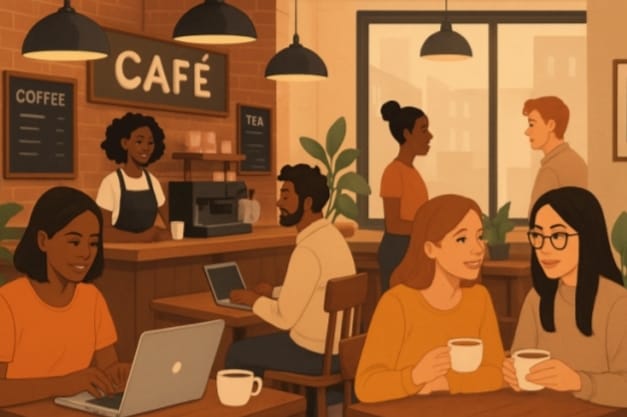
Cafés have long established their presence as critical “third places” in city life. Unlike home or work, they offer a comfortable neutral ground where individuals from various backgrounds can gather, fostering informal connections and lasting community bonds. The inviting atmosphere of the neighborhood café encourages people to engage in spontaneous conversations and build networks that span across ages and cultures.
In cities around the world, the café often anchors daily routines, providing a space not just for eating and drinking but for dialogue and relaxation. For instance, establishments like Great White Los Angeles illustrate how thoughtful design and a welcoming environment can make a café feel like an extension of both home and community. These elements underscore how cafés nurture urban social fabric and provide much-needed respite from the fast pace of city living.
Cafés as Alternative Workspaces
The transformation of work culture, especially with the advent of remote work, has helped cafés redefine themselves as hybrid spaces. Many freelancers, remote workers, and entrepreneurs now rely on cafés for their daily routines, where the steady hum of conversation and the scent of coffee provide a stimulating backdrop to productivity. The presence of affordable Wi-Fi, convenient power outlets, and flexible seating has supported this shift, enabling cafés to balance social energy with focused work.
This trend is part of a broader movement in which third spaces accommodate dynamic needs, blending work and play in creative ways. Modern café design increasingly incorporates communal tables, quiet corners, and accessible amenities, making them attractive to a generation that values flexibility and interaction. As noted in major publications like The New York Times, this blending of productivity and sociability is now central to urban café culture.
Influence on Urban Development and Gentrification
The spread of specialty cafés in city neighborhoods often signals evolving demographics and urban shifts. While the arrival of a new café can revitalize an area, spark economic activity, and draw foot traffic, it can also signal gentrification. Rising demand for trendy establishments may attract new residents with higher incomes and tastes, potentially pushing up local rents. While some welcome the economic uplift, these changes can displace long-time residents and shift the identity of historic neighborhoods.
This complex impact raises important questions about urban development, as noted by sources like the National Bureau of Economic Research. The tension between revitalization and affordability highlights how integral cafés have become in shaping urban landscapes and community dynamics.
Technological Integration in Café Culture
Technology has transformed nearly every aspect of the café experience, from how customers order coffee to the way engagement is fostered online. Mobile ordering systems and contactless payments have simplified transactions, making the process more efficient for both patrons and staff. Many cafés have also introduced digital loyalty programs and mobile menus, providing an added layer of convenience for repeat visitors.
Social media now plays a central role in shaping café culture and outreach. Platforms like Instagram and Facebook are used to promote events, showcase menu items, and foster community through digital storytelling. These digital tools allow cafés to connect with broader audiences beyond their immediate neighborhoods.
Sustainability Practices in Modern Cafés
As consumer environmental awareness grows, many cafés are shifting toward more sustainable practices. Efforts such as sourcing fair-trade coffee, using compostable packaging, and minimizing waste reflect a commitment to both social and environmental responsibility. Cafés that adopt these measures often see increased loyalty from conscious customers who prioritize brands that align with their values. By promoting sustainable business models, urban cafés not only contribute to greener cities but also participate in larger global efforts to reduce their ecological footprint.
Cafés as Cultural Hubs
Many cafés have evolved into true cultural centers that go far beyond coffee and pastries. Hosting art exhibitions, poetry readings, and live music nights, cafés provide accessible venues for creative expression and local talent. These cultural gatherings foster diversity, encourage inclusivity, and reinforce the café’s role as a vibrant pillar of urban life.
This approach benefits artists, musicians, and writers while strengthening the community through shared experiences. By serving as platforms for local creativity, cafés forge new connections among residents and help maintain the character of neighborhoods undergoing change.
You can also read about the Tractor supply sales associate job description.
The Future of Café Culture in Urban Settings
Looking ahead, café culture is poised to adapt and thrive as cities change. With trends such as experiential décor, interactive workshops, and curated events, cafés are continually finding new ways to invite engagement. Future innovations will likely include greater emphasis on inclusivity, flexible space design, and continued adoption of sustainable practices.
As urban populations grow and diversify, the potential for cafés to bind communities, nurture creativity, and support local economies will remain strong. The next generation of urban cafés will balance tradition and innovation, keeping pace with evolving needs and defining new possibilities for social connection.
Final Thoughts
Café culture shapes the social and economic fabric of urban communities by providing essential third places, alternative workspaces, and creative hubs. Their embrace of technology and commitment to sustainability ensure that cafés remain relevant amid rapidly changing urban environments. The ongoing evolution of café culture reflects the dynamic interplay between community, commerce, and creativity that defines life in contemporary cities.