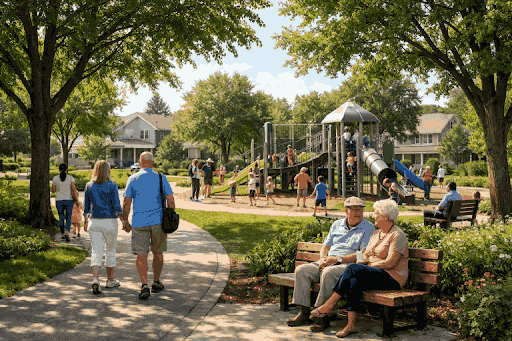
Residential areas that embrace physically active lifestyles are gaining recognition for their significant value. Whether through accessible walking trails, inclusive playgrounds, or a welcoming country club experience, communities are increasing both resident satisfaction and wellness. Neighborhoods that make healthy living a part of daily life see benefits well beyond simple recreation.
Fostering activity does more than shape a neighborhood aesthetically. Residential communities designed for movement and engagement offer a variety of positive outcomes, including deeper social bonds, stronger economies, and increased property values. An intentional approach to planning can transform the way residents connect with their environment and with each other.
A growing body of research underscores the connection between well-designed spaces and quality of life outcomes. Neighborhoods with safe, interconnected walkways, green space, and pocket parks become hubs for friendly encounters and lasting community pride. Designing spaces that encourage movement is an investment in every resident’s well-being.
Forward-thinking community developers are now offering more than just beautiful homes—they are integrating wellness-oriented spaces that foster both vibrant lifestyles and a sense of belonging. Quality, accessibility, and variety are key traits, which are evident in communities highlighted for their state of the art amenities.
Health Benefits of Active Communities
Living in a neighborhood that promotes movement can dramatically impact health outcomes. The Centers for Disease Control and Prevention reports that individuals in communities with activity-friendly environments are less likely to suffer from chronic diseases such as heart disease, diabetes, and obesity. By making it simple for residents to incorporate walking, cycling, or outdoor recreation into their day, these neighborhoods encourage consistent physical activity and, therefore, greater mental well-being. Read more about this on the CDC’s official site.
Furthermore, being active in community spaces also enhances cognitive health, reduces stress, and promotes longer life expectancy. Research has shown that individuals who spend more time outdoors, particularly in areas rich in greenery or parkland, experience lower rates of depression and anxiety. Physical movement stimulates the release of endorphins, which are natural mood boosters, and fosters a healthier sleep cycle. As community members become healthier and more energized, there’s a ripple effect, creating an environment where well-being is both an individual and collective achievement.
Lastly, children and seniors especially benefit from active community features—playgrounds and safe pedestrian routes foster confidence, promote independence, and help establish lifelong wellness habits. Active communities become intergenerational hubs where people of all ages feel safe and motivated to participate in daily life.
Social Advantages of Walkable Neighborhoods
Neighborhoods designed for walkability offer far-reaching social benefits. When residents pass one another on pathways, congregate in shared gardens, or meet at neighborhood events, spontaneous interactions become routine. According to National Geographic, communities with pedestrian-oriented design experience higher levels of neighborliness, safety, and emotional connection among residents. These social infrastructures are just as important as roads and buildings for a thriving neighborhood.
Social engagement is further supported by the creation of communal gathering spaces such as plazas, outdoor cafes, and community centers. These meeting points act as anchors for local life, inspiring activities like farmers’ markets, fitness groups, or holiday celebrations. Residents are more likely to build lasting friendships, look out for one another, and foster a sense of security when walkability and shared spaces are central to neighborhood design.
Such environments can also encourage civic participation. Residents who connect through shared paths and events become more involved in local decision-making, volunteering, and community projects. This spirit of collaboration not only enriches daily life but also equips communities to adapt to challenges and change more resiliently.
Economic Impact of Active Living Communities
Neighborhoods built for active living also demonstrate significant economic advantages. Properties in walkable, activity-rich areas often command higher market values. Moreover, retail and service businesses in these communities tend to prosper due to increased foot traffic and resident engagement. A study referenced by Sharecare’s Well-Being Index suggests that this structure not only attracts new residents but also entices businesses that seek energetic, health-conscious communities. Such economic vibrancy can help stabilize and grow local economies for the long term.
Additionally, lower healthcare costs and improved worker productivity are often observed in more active communities. As employees enjoy better health and vitality, businesses can experience reduced absenteeism and stronger workplace morale. The convergence of increased disposable income, local entrepreneurship, and a positive reputation turns these vibrant communities into sought-after places to live and work.
Designing for Active Lifestyles
Thoughtful community design is essential for supporting daily movement and well-being. Key elements include the integration of mixed-use spaces, secure sidewalks, ample bike lanes, and interconnected green spaces. Design strategies that link homes with schools, shopping, and recreation make it easy for residents to walk or cycle as part of daily routines. According to the CDC, connecting activity-friendly routes to everyday destinations is a primary driver in increasing non-motorized travel and improving overall health.
Forward-thinking urban planners often include community gardens, mini-parks, and open plazas in addition to the usual recreational facilities. These features not only promote activity but help ensure that everyone, regardless of mobility, age, or background, can find welcoming spaces that meet their needs.
Challenges in Promoting Active Communities
Despite their benefits, active communities do face implementation challenges, particularly in less densely populated suburban or rural settings. Obstacles include limited public transportation, wider streets built for cars, and fewer recreational resources. A Cornell University study advises that local governments collaborate with planners to innovate solutions such as new recreational programs or enhanced civic infrastructure. As a result, these changes can inspire more equitable access to active living for all.
Financial constraints, resistance to change, and zoning regulations may also impede the creation of active environments. Overcoming these barriers requires strong advocacy, creative public-private partnerships, and robust community engagement to prioritize investments in sidewalks, parks, and safe crossings. Communities that succeed often do so by embracing incremental changes and celebrating small wins that lead to wider support.
You can also read about 7 Summer Road Trip Dangers That Send More People to Court.
Case Studies of Successful Active Communities
Across the country, some residential communities are leading the way with proven, impactful strategies. The AARP has documented how communities that establish connected greenways, safe crosswalks, and outdoor activity areas see measurable increases in resident participation and overall health. These successful case studies serve as a model for urban, suburban, and rural neighborhoods alike, demonstrating that with the right investments, active living is attainable everywhere. (AARP Livable Communities)
For instance, cities like Portland, Oregon, and Madison, Wisconsin, have implemented extensive networks of bike paths, nature trails, and community recreation hubs. Residents in these areas enjoy higher rates of cycling, walking, and social gatherings than in less active locales. These models show that with persistent leadership and a commitment to inclusive, accessible design, communities of any size can thrive through active living.
Conclusion
Communities intentionally designed for an active, engaged lifestyle deliver remarkable benefits. Residents enjoy not only better physical and mental health but also deeper friendships and thriving, resilient neighborhoods. By prioritizing accessible infrastructure and innovative amenities, today’s developers and planners can ensure that active living is woven into the fabric of everyday community life.
In summary, the long-term advantages of building and sustaining active communities reach far beyond individual well-being. Economic development flourishes, social ties strengthen, and residents experience a superior quality of life—all made possible through deliberate design and a shared vision for a healthier, happier future.