Choosing the right water heater can make a significant difference in your home’s comfort and energy use, as well as help manage utility costs. An informed decision ensures hot water is always available when you need it, and that your energy bills remain manageable. Whether replacing an old unit or installing a new one, working with water heater replacement pros in Orem can simplify the process and ensure a professional result.
Several important factors should be evaluated, including the type and capacity of the water heater, its fuel source, and efficiency rating. Each household has unique needs, so understanding these variables will help you select the system that fits your lifestyle and budget. With advancements in technology, today’s water heaters offer more choices and improved efficiency than ever before.
Another essential consideration is long-term reliability and environmental impact. Installing an efficient water heater not only saves money but also reduces your home’s carbon footprint, a consideration that is increasingly important in our eco-conscious world. By comparing types, fuel options, and costs, you can find a solution that benefits both your wallet and the environment.
Types of Water Heaters
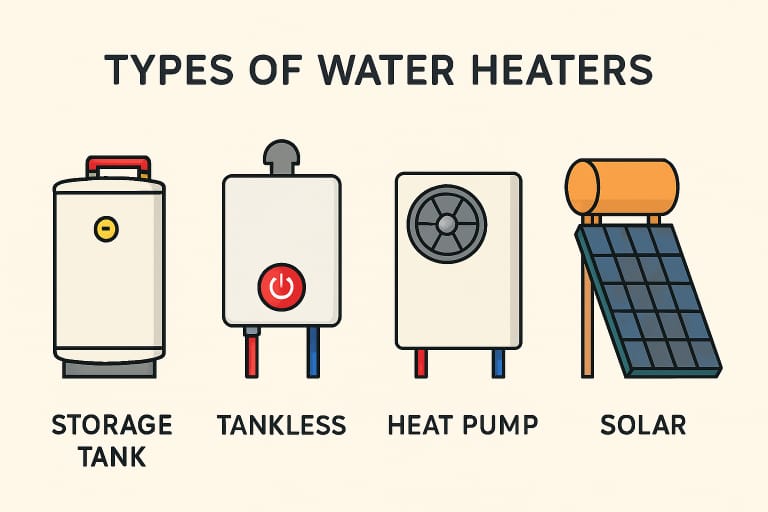
The first step in your selection process is understanding the available types of water heaters. Each model offers different advantages and may be more or less suitable, depending on your household’s needs:
- Storage Tank Water Heaters: These are the most commonly installed units, featuring a large, insulated tank that stores heated water for immediate use. They are available in different capacities and are a reliable choice for families with consistent hot water needs.
- Tankless (On-Demand) Water Heaters: These units heat water only when needed, providing greater efficiency and an endless supply as long as demand does not exceed capacity. They are also compact, making them ideal for homes with limited space.
- Heat Pump Water Heaters: Also known as hybrid water heaters, these devices utilize electricity to transfer heat from the air or ground, resulting in significantly reduced energy consumption compared to conventional electric water heaters.
- Solar Water Heaters: Relying on rooftop solar panels, these systems harness the sun’s energy to provide hot water, making them an excellent choice for reducing utility bills and minimizing environmental impact in sunny climates.
Fuel Types and Availability
The fuel your water heater uses will affect installation costs, ongoing expenses, and efficiency. Common options include:
- Electricity: Ubiquitously available, electric water heaters are straightforward to install but can be less cost-effective than other types in areas where electric rates are high.
- Natural Gas: Generally more energy-efficient than electric units and often cheaper to operate, but requires an existing gas supply line.
- Propane: A good alternative when natural gas isn’t available, though it tends to be more expensive than both natural gas and electricity.
- Solar Energy: Offers the lowest operating costs but comes with a higher initial investment and is highly dependent on your local climate.
Sizing Your Water Heater
Proper sizing is crucial to ensure your water heater meets your family’s hot water needs without wasting energy. For storage tank heaters, a 30-40 gallon model suits most two-person households, while families of four or more often require 50 gallons or more. Tankless heaters are sized based on their flow rate, expressed in gallons per minute (GPM), and should be matched to your peak usage, such as when multiple showers or appliances are running simultaneously. Both oversizing and undersizing can increase costs or result in insufficient hot water.
Energy Efficiency Considerations
With water heating accounting for nearly 20% of a household’s energy use, choosing an efficient model is crucial. Look for water heaters with a high Energy Factor (EF) or Uniform Energy Factor (UEF)—the higher the number, the more efficient the unit. ENERGY STAR-certified appliances are an excellent benchmark, meeting rigorous standards set by federal agencies. Heat pump water heaters, for instance, can be up to three times more energy-efficient than conventional electric versions, saving hundreds of dollars annually on bills.
Installation and Space Requirements
The choice of a water heater can impact installation complexity, time, and cost. Tankless models are compact and can be wall-mounted nearly anywhere, making them preferable for smaller homes or retrofits. Storage tanks, on the other hand, require a designated space—often a basement, garage, or utility room. Natural gas or propane units require proper venting for safety, while heat pumps require sufficient clearance for adequate air circulation. Electric models may require upgrades to your home’s wiring or breaker panels, particularly for high-capacity or hybrid designs. Professional guidance can help you choose and safely install the right unit for your space.
Cost Analysis: Initial and Operating Expenses
Water heater pricing varies widely—from a few hundred dollars for basic electric models to several thousand dollars for high-end tankless or solar systems. Tankless and solar heaters typically have higher upfront costs but offer substantial long-term energy savings. Investing in an energy-efficient model often pays for itself over time through lower utility bills, and state or federal rebates and tax incentives can help reduce the out-of-pocket cost. It’s worth exploring rebate programs and incentives, as outlined by Consumer Reports, to maximize savings and offset initial costs.
Maintenance and Lifespan
Regular maintenance not only extends the life of your water heater but also preserves its efficiency. Storage tank water heaters typically last between 8 and 12 years and benefit from annual flushing to reduce sediment buildup. Tankless units can have a lifespan of 20 years or more if descaled regularly, particularly in areas with hard water. Heat pumps and solar systems also require routine check-ups to prevent significant repairs. Proactive maintenance can help you avoid costly breakdowns and ensure a reliable supply of hot water through the years.
You can also read about a Truck Accident Lawyer.
Environmental Impact
Water heater selection doesn’t just affect your wallet—it also influences your home’s carbon footprint. Solar and heat pump water heaters are among the most sustainable options, utilizing renewable resources and dramatically cutting greenhouse gas emissions. ENERGY STAR-certified units in any category offer environmental benefits by reducing energy consumption. Choosing an efficient, appropriately sized system supports your household’s sustainability goals and protects local and global ecosystems.
Wrap-Up
Choosing the right water heater is a crucial decision that impacts your home’s comfort, energy efficiency, and long-term costs. By evaluating water heater types, fuel sources, proper sizing, efficiency ratings, and maintenance requirements, homeowners can select a system that aligns with their household needs and budget. Modern water heaters offer improved performance and sustainability, making it easier than ever to strike a balance between reliability and environmental responsibility. With careful planning and professional installation, the right water heater will provide dependable hot water, lower utility bills, and lasting value for years to come.